
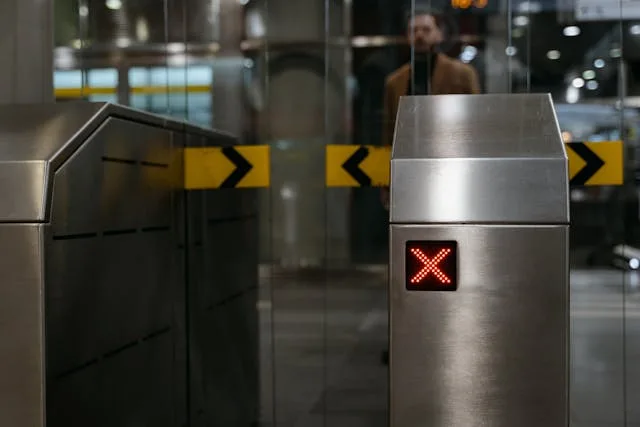
Security detector systems play a central role in modern physical security strategies, especially in environments where large numbers of people enter and exit facilities every day. These systems are designed to identify potential threats, control access points, and support security personnel in making fast, informed decisions. While the term “security detector” can refer to a wide range of technologies, it generally includes metal detection systems, walk-through scanners, handheld detectors, and integrated screening platforms that combine hardware with intelligent software oversight.
In today’s security landscape, detection alone is no longer enough. Organizations are expected to not only identify threats but also ensure that screening procedures are consistently followed, documented, and auditable. This shift has led to more advanced systems that combine detection technology with real-time monitoring, operational accountability, and centralized security management.
What Security Detector Systems Are Designed to Do
At the most basic level, security detector systems are built to identify concealed or prohibited items before individuals enter secure areas. These systems can detect metallic objects, weapons, or suspicious items depending on the technology being used. They are commonly deployed at entrances to schools, hospitals, corporate buildings, government facilities, and public venues.
However, modern detection systems go beyond simple identification. They are increasingly integrated into broader security workflows that include visitor management, access control, surveillance monitoring, and incident reporting. This integration allows security teams to see not only what is being detected, but also how screening processes are being carried out across the entire facility.
The Shift from Basic Detection to Intelligent Screening
Traditional security detectors operated as standalone devices. A metal detector, for example, would trigger an alert when an object passed through its field, and security personnel would respond manually. While effective in some situations, this approach often lacked consistency, documentation, and real-time oversight.
Modern systems take a more intelligent approach. Instead of relying solely on the detection event itself, they incorporate software platforms that track screening activity, verify system status, and ensure that security procedures are being followed correctly.
This means that every screening interaction becomes part of a larger operational system. Security teams can confirm whether detectors are functioning properly, whether personnel are completing required steps, and whether secondary screening procedures are being conducted when necessary.
Real-Time Monitoring and Operational Control
One of the most important advancements in modern security detector systems is real-time monitoring. Security teams no longer have to rely on isolated alerts or manual reporting. Instead, they can monitor system activity across multiple entry points from a centralized dashboard.
This visibility allows supervisors to quickly identify issues such as inactive equipment, missed screening steps, or unusual alert patterns. In high-traffic environments, this level of control is essential for maintaining consistent security performance.
Real-time monitoring also improves response times. When a detection alert occurs, security personnel can immediately access supporting information such as visitor logs, screening history, and nearby surveillance footage to assess the situation.
The Role of Accountability in Security Detection
One of the biggest challenges in physical security is ensuring that procedures are followed consistently. Even when detection equipment is highly effective, human error or inconsistent processes can reduce overall system reliability.
Modern security detector systems address this challenge by introducing accountability mechanisms into the screening process. Every interaction can be logged, time-stamped, and reviewed. This creates a transparent record of security activity that can be used for training, audits, or incident investigations.
Accountability also extends to system performance. Organizations can verify whether detectors are operational, calibrated correctly, and being used according to standard operating procedures. This helps reduce blind spots in security coverage and ensures consistent enforcement across all shifts and locations.
Integration with Broader Security Systems
Security detector systems are most effective when integrated with other security technologies. When combined with access control systems, visitor management platforms, and surveillance cameras, they form a unified security ecosystem.
For example, if a detector identifies a potential threat, security personnel can immediately cross-reference visitor information and camera footage to understand the full context of the situation. This integrated approach improves decision-making and reduces the time needed to respond to incidents.
Integration also helps organizations maintain better documentation. Instead of relying on separate systems for logs, video, and access records, all data can be connected and reviewed in one place.
AI and Intelligent Security Screening
Artificial intelligence is becoming increasingly important in modern security detector systems. AI does not replace physical detection hardware, but it enhances its effectiveness by analyzing data in real time and identifying patterns that may not be immediately visible to human operators.
AI-powered systems can help identify inconsistencies in screening procedures, detect equipment performance issues, and support security teams in prioritizing alerts. Over time, these systems can also learn from operational data to improve accuracy and reduce false alarms.
This type of intelligence is especially valuable in high-traffic environments where large volumes of people must be screened quickly without sacrificing security quality.
Security Detector Systems in High-Risk Environments
Different environments require different levels of screening intensity, but the core purpose remains the same: preventing prohibited items from entering secure spaces.
In schools, security detector systems are used to help maintain a safe learning environment by screening students, staff, and visitors at entry points. The focus is often on fast, non-intrusive screening that does not disrupt daily school operations.
In hospitals, detectors help protect sensitive areas such as emergency departments, pharmacies, and restricted patient zones. Because hospitals must remain open and accessible at all times, detection systems need to be efficient and minimally disruptive.
In corporate and government facilities, security detectors help protect employees, intellectual property, and sensitive data. These environments often require layered security approaches that combine detection with access control and identity verification.
Challenges of Traditional Detection Systems
While traditional detection systems remain widely used, they come with certain limitations. Standalone devices often lack centralized monitoring, which makes it difficult to track performance across multiple locations.
They also rely heavily on manual operation, which can introduce inconsistency in how screening is performed. Without digital oversight, it becomes difficult to verify whether procedures are being followed correctly or whether equipment is functioning as expected.
Modern systems address these challenges by combining detection hardware with software-driven oversight, creating a more complete and reliable security framework.
Improving Efficiency Without Reducing Safety
One of the main goals of modern security detector systems is to improve efficiency while maintaining strong safety standards. In high-traffic environments, long queues at entry points can create operational bottlenecks and negatively impact user experience.
Advanced systems streamline this process by reducing unnecessary manual steps and improving coordination between detection events and security responses. This allows people to move through screening points more quickly while still maintaining strict security control.
At the same time, structured workflows ensure that no steps are skipped, and every alert is handled according to established procedures.
The Future of Security Detector Systems
The future of security detection is moving toward fully integrated, intelligent security ecosystems. Instead of operating as isolated tools, detection systems are becoming part of larger platforms that manage screening, monitoring, reporting, and compliance.
These systems will continue to evolve with advancements in AI, automation, and real-time analytics. Future solutions are expected to provide even greater visibility into security operations, helping organizations identify risks earlier and respond more effectively.
As security expectations continue to rise across industries, organizations will increasingly rely on systems that combine detection accuracy with operational intelligence and accountability.
Final Thoughts
Security detector systems are no longer just physical checkpoints—they are part of a broader security strategy that focuses on visibility, consistency, and control. By combining detection technology with real-time monitoring and operational oversight, modern systems help organizations create safer, more efficient, and more accountable environments.
As threats evolve and security demands increase, the most effective solutions will be those that integrate intelligence, automation, and structured workflows into every stage of the screening process.