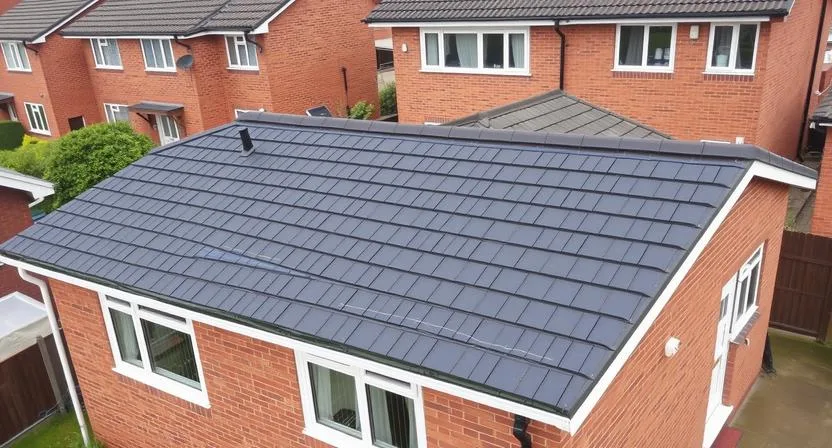
A roof is one of the most important structural components of any building, protecting it from weather conditions while helping maintain safety and comfort. Because roofs are exposed to environmental elements every day, regular inspections are essential for identifying potential problems before they become serious. Understanding Roof Inspection Ipswich can help property owners take a proactive approach to roof maintenance and long-term protection.
Routine inspections are often the first step in preventing costly repairs and extending the lifespan of roofing systems.
Why Roof Inspections Are Important
Many roofing issues develop gradually and may not be visible from ground level.
Regular inspections help:
- Identify hidden damage
- Reduce repair costs
- Extend roof lifespan
- Improve weather protection
- Maintain property value
Early detection often prevents minor concerns from becoming major problems.
Common Roofing Issues Found During Inspections
Roof inspections frequently reveal problems that would otherwise go unnoticed.
Roof Leaks
Small leaks can develop before visible water damage appears indoors.
Damaged Roofing Materials
Tiles, shingles, and other components may crack or deteriorate over time.
Flashing Defects
Damaged flashing can increase the risk of moisture penetration.
Drainage Problems
Blocked gutters may contribute to water-related roofing concerns.
Structural Wear
Long-term exposure to weather can affect roof stability and performance.
Signs That a Roof Inspection May Be Needed
Property owners should consider inspections when certain warning signs appear.
These include:
- Water stains on ceilings
- Damp patches inside the building
- Missing roofing materials
- Visible roof damage
- Sagging sections
- Mold or mildew growth
Addressing these signs promptly can help minimise future repair costs.
How Weather Affects Roofing Systems
Environmental conditions are among the leading causes of roof deterioration.
Heavy Rain
Rain can expose weaknesses and contribute to leaks.
Strong Winds
Wind may loosen or damage roofing components.
Sun Exposure
Ultraviolet rays gradually weaken roofing materials.
Temperature Fluctuations
Expansion and contraction cycles can lead to cracking and wear.
Regular inspections help identify weather-related issues before they worsen.
What Roof Inspections Typically Assess
A comprehensive roof inspection may evaluate several key areas.
These include:
- Roofing materials
- Flashing condition
- Drainage systems
- Structural components
- Ventilation performance
Assessing these elements provides a clearer understanding of roof condition.
Benefits of Routine Roof Inspections
Regular inspections offer a variety of advantages.
These include:
- Early problem detection
- Reduced maintenance expenses
- Improved roof durability
- Better weather resistance
- Increased property protection
A preventative approach often delivers the best long-term results.
Factors That Influence Roof Condition
Several elements affect roofing performance over time.
Material Quality
Higher-quality materials often provide greater durability.
Installation Standards
Proper installation supports long-term reliability.
Environmental Exposure
Weather conditions directly impact roof health.
Maintenance Frequency
Regular care helps preserve roof performance.
Ventilation
Good airflow contributes to overall roof longevity.
Practical Tips for Roof Monitoring
Property owners can take simple steps between inspections.
Conduct Visual Checks
Look for signs of visible wear or damage.
Keep Gutters Clear
Proper drainage helps reduce moisture-related risks.
Check After Storms
Inspect roofing materials following severe weather.
Monitor Interior Spaces
Watch for stains, leaks, or dampness.
Schedule Professional Assessments
Routine inspections provide detailed insights into roof condition.
Long-Term Value of Roof Inspections
Investing in regular inspections helps support roof performance for years to come.
Benefits include:
- Better structural protection
- Lower repair costs
- Improved energy efficiency
- Extended roof lifespan
- Greater peace of mind
A well-monitored roof is often more reliable and cost-effective to maintain.
Conclusion
Understanding Roof Inspection Ipswich is essential for property owners who want to protect their investment and maintain a reliable roofing system. Through regular assessments, preventative maintenance, and timely attention to roofing concerns, roofs can continue providing dependable protection and long-term value.