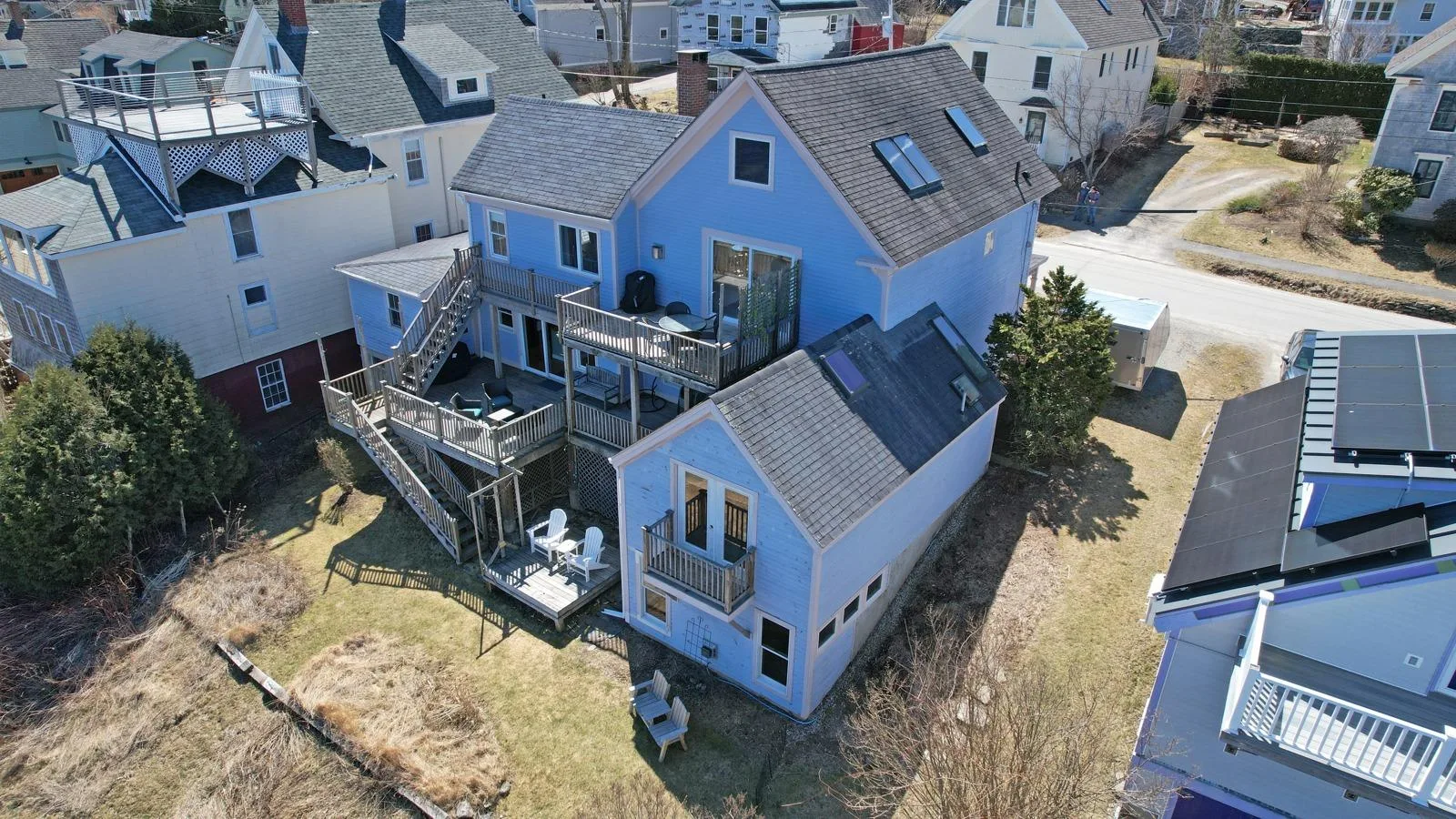
A listing can show an attractive house without explaining what makes living or staying there special. Aerial imagery supplies context: the path to the shore, the shape of the garden, the distance between buildings, or the way a home sits among trees. Thoughtful drone footage for real estate in Maine gives viewers information they cannot always collect from ground-level pictures alone.
For agents and hosts, real estate aerial video tours in Maine can serve a storytelling purpose when each shot has a reason to appear. The goal is to help buyers and guests picture the place accurately, not to rely on spectacle. Quality Aerials describes relevant visual services on its real estate photography page.
Start with the Property’s Most Meaningful Features
A useful photo plan begins with the audience. A buyer comparing family homes may care about the yard, driveway, neighboring buildings, and access to outdoor space. A vacation guest might want to understand the relationship between a rental and the lake, beach, or nearby attractions. A summer-home owner may simply want clear photographs that preserve the property’s character. The story changes according to the questions the viewer needs answered.
Before photographing, an agent or host can identify three features that are both appealing and genuinely present. The opening aerial image might establish the wider landscape; a closer view can then show the building and its usable outdoor areas. If the property has limitations, composition should not deliberately conceal them. An accurate visual story creates expectations that the property can meet.
Composition Guides the Viewer’s Attention
Height alone does not make a good photograph. Positioning, direction of light, and the arrangement of elements determine what the viewer notices first. A driveway can lead the eye toward the entrance, while a curving shoreline can reveal how a home relates to the water. Adobe’s guide to leading lines explains how natural or built features direct attention within a frame.
A wide establishing shot is useful when location matters, but it can make a small house disappear into the scenery. A lower, carefully framed angle can give the property more prominence while retaining enough context to understand the setting. Timing matters too: long shadows may conceal a deck, whereas softer light can make building surfaces easier to read.
Each frame should communicate a real detail. Dramatic altitude and exaggerated edits cannot compensate for a poorly chosen subject. Successful composition makes the place easier to understand at a glance.
Arrange Images into a Natural Visual Journey
Photo order influences how a viewer learns about a property. Begin with a recognizable overall view, move toward the house, show meaningful outdoor features, and connect those views with interior or ground-level photographs. Video can follow a similar sequence, with smooth transitions that make the change in viewpoint easy to follow. For clients exploring drone marketing videos in Maine, a clear visual route often matters more than a complicated movement of the camera.
This is particularly important for rentals. Vrbo’s published photo guidelines emphasize distinctive, clear property photographs and discourage duplicate images. A thoughtful set reveals something new in each frame rather than repeating nearly identical flyovers. Captions can identify what is shown without making claims the image cannot verify.
Editing Should Strengthen Clarity, Not Change Reality
Editing helps photographs look coherent across changes in weather and lighting. A modest adjustment to exposure, contrast, or color can preserve visible detail, while thoughtful cropping removes distractions without hiding relevant surroundings. Sequencing and pacing help a short video hold together. None of these techniques requires altering the property itself.
Replacing views, stretching spaces, or applying extreme color changes may lead viewers to misunderstand what is actually there. Images meant for listings should reflect the place people can expect to visit. The best editing decisions therefore support clear communication rather than creating fictional amenities or distances.
Different Properties Need Different Stories
A house for sale, a private rental, and a seasonal cottage should not all receive the same photo sequence. A residential listing may prioritize lot orientation and nearby streets. An Airbnb or VRBO rental may benefit from showing outdoor seating, access to the water, and how the home fits into its surroundings. A summer home may call for a more relaxed visual treatment that still shows the building accurately.
Airbnb’s listing photography advice recommends showing spaces, outdoor areas, and neighborhood context so guests know what to expect. Drone images can complement those practical views, but they cannot replace interior photographs or descriptions of the rental’s actual amenities.
Give the Property a Story Worth Remembering
Strong imagery connects genuine features into a sequence viewers can understand. The most useful aerial photograph is often the one that answers a practical question while giving the property a distinct sense of place. For owners considering real estate drone photography in Falmouth, ME, that purpose should shape every shot.
Quality Aerials provides aerial photography and videography services for real estate and other properties in Portland and the greater Portland area. Property owners seeking a professional drone photographer in Maine can review the company’s aerial videography services and contact Quality Aerials to discuss a property-focused image plan.
About the Author
The author is an industry-focused writer who covers practical applications of photography, digital presentation, and visual communication for property owners and marketing professionals. Their work explains how thoughtful composition, honest editing, and useful context can help audiences understand places and make more informed decisions without exaggerating what photographs can prove.