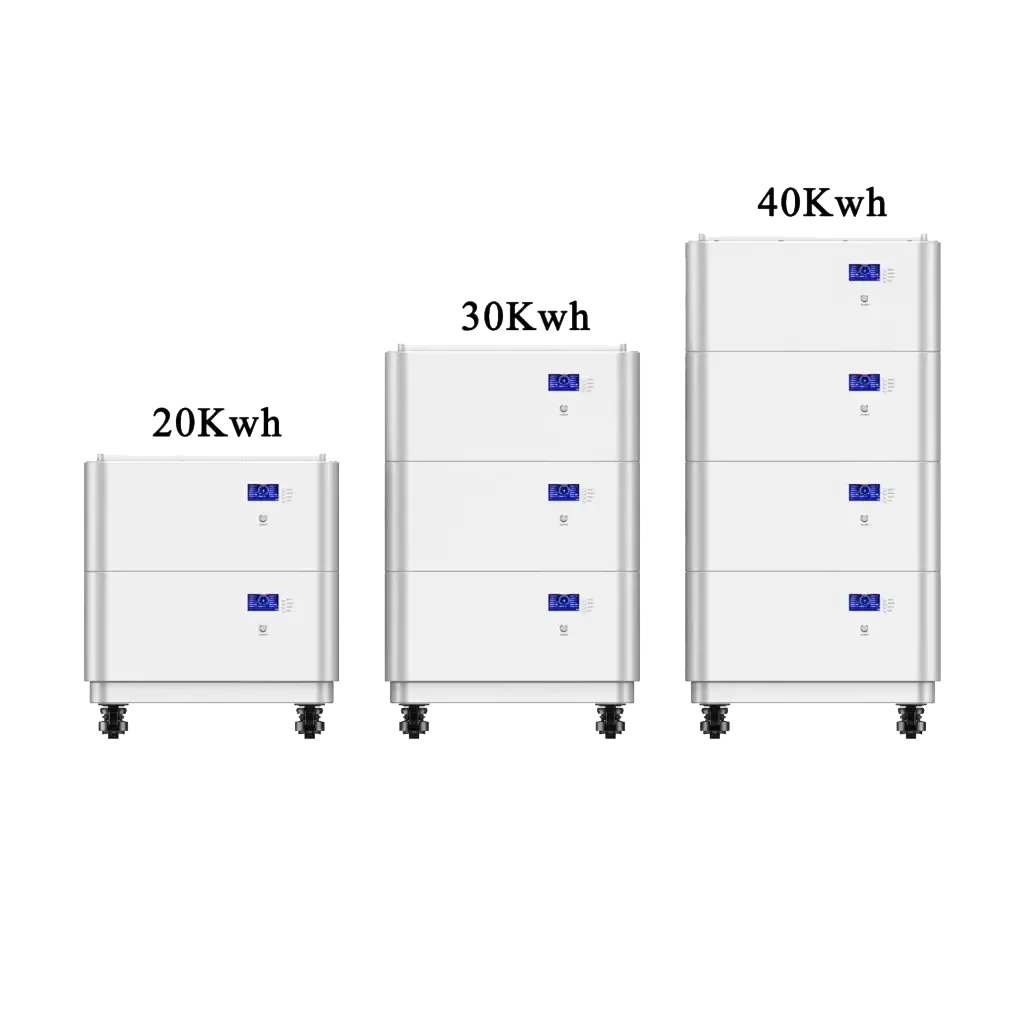
If you’ve been researching ways to keep your home powered during outages or to make better use of your solar panels, you’ve likely stumbled upon stackable battery systems. The word “reliable” gets thrown around a lot in the energy storage world, but when it comes to your home, you need a system that won’t leave you in the dark. Stackable batteries have earned their reputation by offering a modular, fault-tolerant design. Instead of one massive battery that becomes a single point of failure, these systems let you connect several smaller units together. If one module has an issue, the rest keep working. This built-in redundancy is a game changer for residential energy storage. Plus, because you can start with just one or two modules and add more over time, you’re never locked into a capacity that might become outdated. For homeowners who value peace of mind, reliable stackable systems are quickly becoming the gold standard.
What Makes a Stackable Battery System Truly Reliable
Reliability isn’t just a marketing buzzword – it comes down to specific engineering choices. First, look for lithium iron phosphate (LiFePO4) chemistry. Unlike older cobalt-based batteries, LiFePO4 is thermally stable, meaning it won’t overheat or catch fire even if punctured. That’s a huge deal when you’re stacking multiple units in your garage or basement. Second, a robust battery management system (BMS) is non-negotiable. The BMS constantly monitors voltage, temperature, and current across every module. If one cell starts behaving oddly, the BMS can isolate that module or balance the load. Third, reliable systems use standardized communication protocols like CAN bus or RS485. These allow each battery to “talk” to the inverter and to each other, ensuring they charge and discharge as a unified bank. Without this communication, you risk unbalanced cycles that shorten battery life. Finally, physical build quality matters – look for corrosion-resistant terminals, sturdy enclosures with proper heat dissipation, and UL certification. A reliable stackable system should give you ten years of worry-free service with minimal maintenance.
How Stackable Design Boosts Overall System Reliability
One of the cleverest aspects of stackable batteries is how modularity directly improves dependability. Think of it like having several small engines on a plane instead of one giant engine – if one fails, the others keep you flying. In a stackable setup, each module operates semi-independently. If a single module’s internal BMS detects a problem, it can safely shut itself down without taking the entire bank offline. Your home still draws power from the healthy modules. This is completely different from traditional single-unit batteries where one internal fault bricks the whole system. Moreover, stackable designs allow for hot-swapping – you can replace a worn-out module without powering down your home. That’s a feature you rarely see in residential gear. Also, because each module is smaller and lighter, manufacturing quality tends to be more consistent. Fewer cells packed into each unit means less chance of manufacturing defects. When you stack four modules, the odds of all four failing simultaneously are astronomically low. For families relying on backup power for medical equipment or freezers, this redundancy is priceless.
Key Features to Look for in a Reliable Residential System
Shopping for stackable batteries can feel overwhelming, so focus on a handful of must-have features. Cycle life is at the top of the list – a reliable system should offer at least 6,000 cycles at 80% depth of discharge. That translates to roughly fifteen years of daily use. Next, check the round-trip efficiency, which tells you how much energy you get back compared to what you put in. Anything above 95% is excellent. Third, look at the operating temperature range. A good system should work from -10°C to 50°C without derating. If you live in a hot attic or an uninsulated garage, this matters a lot. Fourth, examine the warranty. Reputable brands offer at least ten years, but pay attention to what’s covered – you want the warranty to include both parts and labor for module replacement. Fifth, ensure the system has certifications like UL 1973 (for stationary battery safety) and UL 9540 (for complete energy storage systems). These certifications mean independent labs have tested the product for fire, shock, and thermal runaway risks. Skipping these checks might save money upfront but could cost you dearly later.
Top Reliable Stackable Battery Brands for Home Use
After reviewing dozens of user experiences and professional tests, a few brands stand out for residential reliability. The EG4 LifePower4 series consistently earns praise for its rock-solid BMS and easy parallel stacking. Each 5.12 kWh module communicates seamlessly with hybrid inverters from Sol-Ark, Growatt, and Schneider. Another top contender is the Pylontech US5000. Pylontech has been in the modular battery space for years, and their modules are known for exceptional cell balancing and low failure rates. Many off-grid homeowners trust them because replacement modules remain available years after purchase – a sign of long-term support. For those wanting a premium option, the Enphase IQ Battery 5P uses a stackable design with microinverters built into each module, giving you granular control and redundancy at the AC level. Finally, the Fortress Power eVault series offers an 18.5 kWh stackable unit with a heated option for cold climates. What ties these brands together is their transparency: they publish detailed cycle-life data, temperature tolerances, and BMS schematics. Always check recent user forums for real-world longevity stories before buying.
Installation, Maintenance, and Long-Term Peace of Mind
Installing a stackable battery system isn’t as daunting as it sounds, but a few tips will keep your system reliable for decades. First, mount the stack on a clean, dry, fire-resistant wall. Leave at least six inches of space between modules for airflow – heat is the enemy of battery life. Second, torque all busbar connections to the manufacturer’s specification. Loose bolts create resistance, which generates heat and wastes energy. Use a torque wrench, not just a screwdriver. Third, set your inverter’s charge and discharge parameters to match the battery’s recommended voltage window. Overcharging or deep discharging drastically reduces cycle life. Most reliable systems come with a quick-start guide that includes these settings. For maintenance, you’ll mostly just keep the terminals clean and check for any error codes on the module displays once a month. If a module’s LED shows a fault, the BMS will tell you exactly what’s wrong. Replacement modules can be shipped directly to your door, and swapping one takes about fifteen minutes. With proper care, a reliable stackable system will quietly do its job for well over a decade – and that’s the kind of dependability every home deserves.