
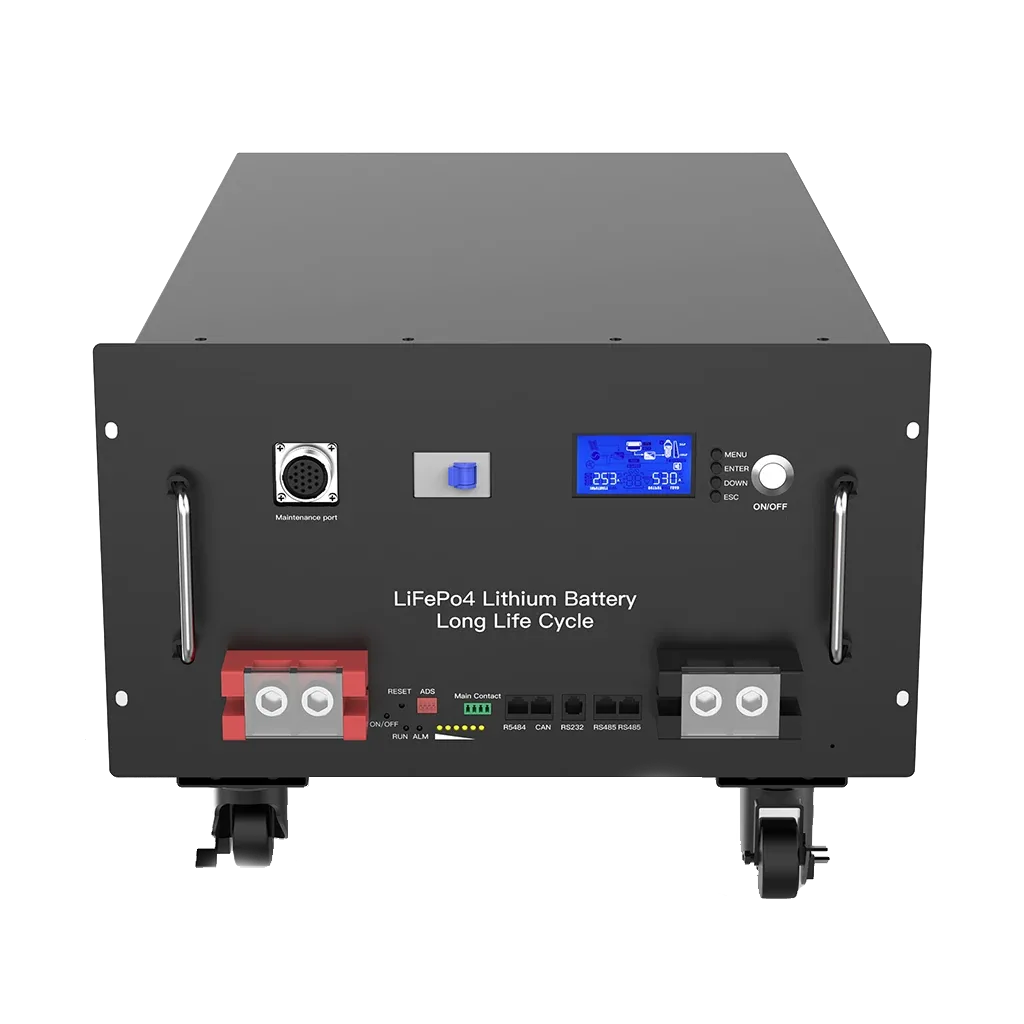
There is something reassuring about walking past a sleek metal cabinet in your garage and knowing that inside, a silent stack of batteries stands ready to keep your home running. For residential use, reliability isn't just a marketing term, it means waking up to working sump pumps during a flood, keeping medical equipment powered through a storm, or simply not losing a freezer full of food. Rack mounted battery systems have become the go to choice for homeowners because they pack serious storage into a tidy footprint while offering something that scattered individual batteries cannot: organized, predictable, and expandable power. When you choose a reliable system, you are not just buying hardware, you are buying sleep.
What Makes a Rack Mounted Battery Truly Reliable for a Home
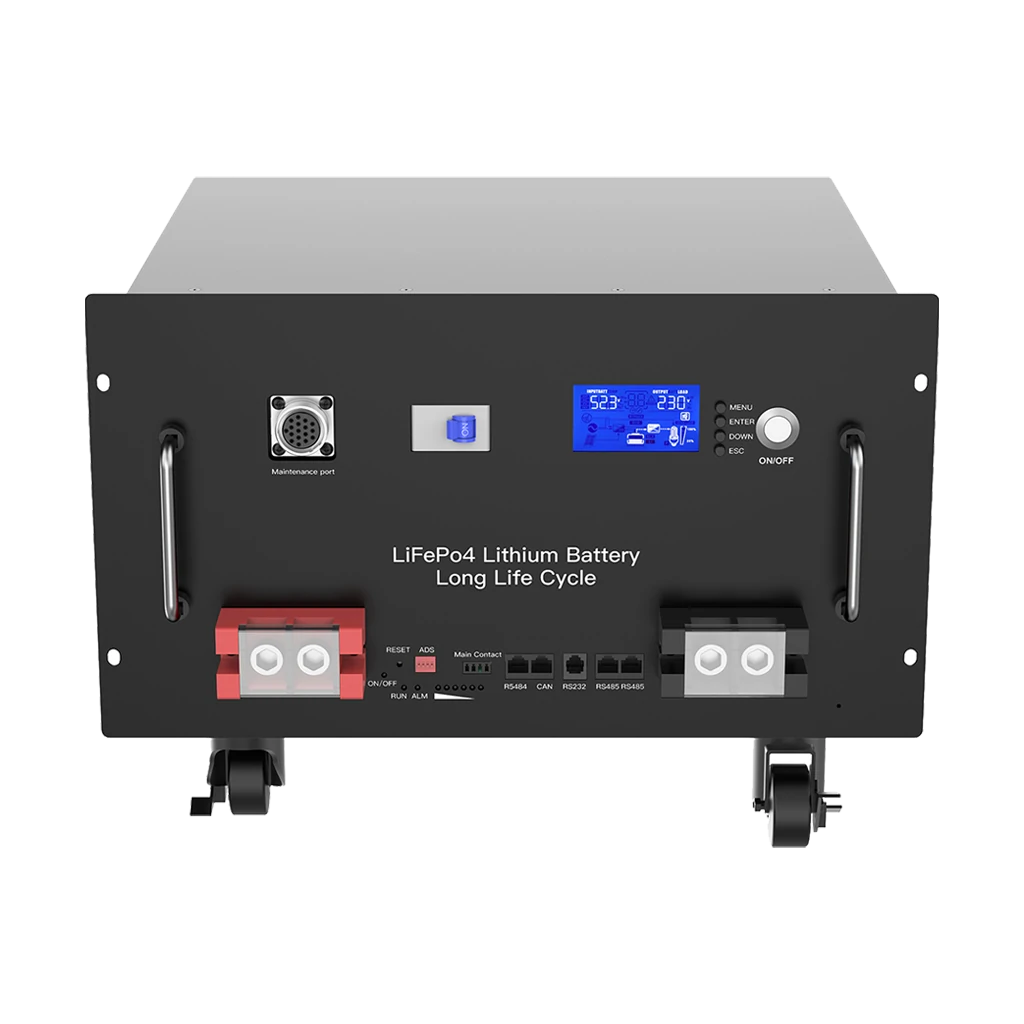
Reliability in a home battery starts long before the first blackout. It begins with build quality and thermal management. The best residential rack mounted systems use prismatic lithium iron phosphate cells, which are known for their stability and resistance to overheating. Unlike old lead acid batteries that require watering and venting, these are sealed, maintenance free units that simply sit there and work. But true reliability also means the battery communicates clearly. A quality system will have a display or mobile app that shows you state of charge, estimated runtime, and any warning flags. You should never have to guess whether your backup is ready. The most trusted brands also include redundant safety features like individual cell fuses and overcurrent protection built into each module.
Sizing Your Rack System for Real Home Life
Choosing the right size for a residential rack battery is less about math and more about honestly observing your own habits. Walk through your home and note what you absolutely need during an outage: the refrigerator, a few lights, the internet router, perhaps a CPAP machine or a garage door opener. Add up their wattage and multiply by the hours of backup you want. Most homes find that ten to fifteen kilowatt hours handles overnight outages comfortably. A single rack often holds two to four battery modules, each around five kilowatt hours. Start with one rack partially filled and add modules later. The reliability factor here is that your system should let you mix capacities, so you are not forced to buy everything upfront. Just verify that your inverter can handle the eventual total.
Installation Realities for the Average Homeowner
Let me paint a realistic picture of what installing a rack mounted battery in a house actually involves. You need a flat wall space about two feet wide and three feet tall, plus room to open the rack door fully. Most people use garages, basements, or utility rooms, but avoid uninsulated spaces that freeze or bake. The rack itself arrives in a flat box and takes an hour to assemble with basic hand tools. Then comes the heavier part: lifting each battery module into place. Each module weighs between seventy and one hundred pounds, so you absolutely want a second pair of hands. Electrical connections are simple plug and play on quality systems, using prefabricated cables with locking connectors. However, connecting to your home panel and inverter is not a DIY job for most people. Hiring a licensed electrician who has done battery work before is money well spent. They will handle permits, grounding, and the critical step of configuring the communication between battery and inverter.
Managing Your Battery Through Everyday Weather
A reliable rack system earns its keep not just during emergencies but through ordinary weather patterns. On sunny days, your battery charges quietly from solar panels or the grid during cheap off peak hours. When a storm rolls in, a good system automatically holds reserve capacity for potential outages rather than draining itself overnight. The best residential batteries learn your patterns. Some have programmable settings that let you say, "Keep at least forty percent in reserve starting at sunset" or "Only discharge to twenty percent on weekdays." You can also set time of use schedules to charge when electricity is cheap and run your home from the battery when rates spike. This kind of intelligent behavior transforms a passive backup device into an active money saving tool. Just remember that extreme heat or cold affects performance. If your garage gets baking hot in summer, consider adding a small fan or moving the rack to a climate controlled space.
Long Term Care and What to Expect Over Years
One of the nicest surprises about modern rack mounted batteries is how little ongoing care they demand. Unlike the old days of checking fluid levels and cleaning corroded terminals, these systems run for years with zero daily attention. Plan to visually inspect the rack once every six months, looking for any bulging modules, loose cables, or dust buildup on ventilation slots. The battery management system logs everything, and many units will email or push notifications if something needs attention. After about five to seven years, you might notice slightly reduced runtime, say fifteen hours instead of sixteen when new. That is normal aging. When a module eventually degrades below a useful threshold, you simply slide it out and replace just that one unit, not the whole rack. This modular repairability is the hidden gem of rack systems. Your original investment keeps working while you refresh individual pieces as needed.
Making the Final Choice for Your Family
Choosing a reliable rack mounted battery for residential use comes down to trust. Trust in the brand's warranty, which should be seven to ten years with clear terms. Trust in local support, because waiting weeks for a replacement module during storm season is not acceptable. And trust in your own honest assessment of needs. Start with a reputable manufacturer that publishes compatibility lists for common inverters like SolarEdge, Enphase, or Tesla. Read homeowner reviews that mention real world outage performance, not just spec sheet numbers. Ask your electrician which systems they have installed without headaches. The most reliable battery is not always the most expensive one, but it is always the one that fits seamlessly into your home, your lifestyle, and your existing electrical setup. When the lights stay on while the neighborhood goes dark, you will know you made the right call.