Market Overview:
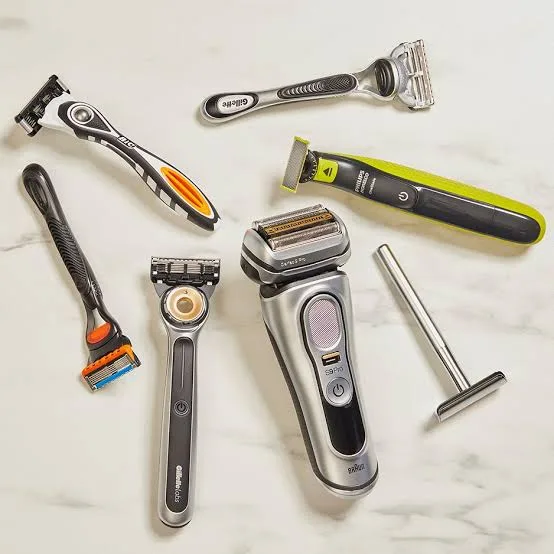
According to IMARC Group’s latest research publication, “Razor Market: Global Industry Trends, Share, Size, Growth, Opportunity and Forecast 2026-2034”, The global razor market size reached USD 13.1 Billion in 2025. Looking forward, IMARC Group expects the market to reach USD 16.5 Billion by 2034, exhibiting a growth rate (CAGR) of 2.55% during 2026-2034.
This detailed analysis primarily encompasses industry size, business trends, market share, key growth factors, and regional forecasts. The report offers a comprehensive overview and integrates research findings, market assessments, and data from different sources. It also includes pivotal market dynamics like drivers and challenges, while also highlighting growth opportunities, financial insights, technological improvements, emerging trends, and innovations. Besides this, the report provides regional market evaluation, along with a competitive landscape analysis.
How Technology and Grooming Culture Are Reshaping the Razor Market
- Rising consumer awareness around physical appearance and personal hygiene is one of the primary forces driving market growth, with razor products widely adopted for painless hair removal, improved skin health, and a cleaner appearance.
- Seven in ten men now remove body hair regularly, yet the majority were using the same face razor on their bodies prior to the emergence of purpose-built body grooming tools, highlighting an unaddressed product gap that brands are now targeting.
- The integration of 3D printing technology in razor manufacturing is enabling brands to produce customizable, reusable razors from recycled and sustainable materials, lowering production costs while reducing environmental impact.
- Advanced electric razors with adjustable blade speed, precision trimming, and adaptive facial contour sensors are expanding the product mix beyond traditional cartridge and disposable formats, driving premiumization across the category.
- Asia Pacific holds the largest share of the global market, supported by rising consumer expenditure, significant technological advancements, and growing awareness about personal grooming, particularly across China, India, and South Korea.
Download a sample PDF of this report: https://www.imarcgroup.com/razor-market/requestsample
Key Trends in the Razor Market
- Men’s Grooming Culture Fueling Category Expansion: The growing mainstream acceptance of men’s grooming beyond basic shaving is a significant driver. Emerging trends around beard shaping, body hair management, and intimate grooming have expanded the product use case well beyond face shaving. Research by Gillette found that 40% of first-time shaving experiences now occur on the body rather than the face, pointing to a broadening of where and how razors are used across the male consumer base.
- Women’s Grooming Emerging as a High-Growth Segment: The women’s grooming segment is attracting increased investment and new product launches from major brands. Dollar Shave Club’s entry into the women’s category in 2026, targeting a USD 1.8 billion women’s grooming market, reflects the rising commercial interest in this underserved space. The campaign, which combined traditional video with AI-generated content targeting Gen Z on platforms like TikTok, marks a broader industry shift toward gender-inclusive product strategy.
- E-Commerce Becoming a Primary Distribution Channel: Online sales channels are growing rapidly, with projections indicating that digital retail could account for nearly 49.6% of razor sales by 2026, nearly equaling traditional offline channels. The accessibility of direct-to-consumer subscription models has made brands like Dollar Shave Club and Harry’s competitive against legacy retailers, reshaping how consumers repurchase blades and grooming accessories.
- Sustainability and Eco-Friendly Formulations Gaining Traction: With 26% of American consumers now factoring in the environmental credentials of grooming products before purchasing, brands are responding with razors made from recycled materials, refillable cartridge systems, and biodegradable components. The shift toward reusable safety razors and 3D-printed sustainable models is reducing single-use plastic waste while catering to environmentally conscious demographics.
- Celebrity Endorsements and Social Media Driving Brand Visibility: Aggressive promotional campaigns through influencer partnerships, celebrity endorsements, and platform-specific advertising are significantly boosting brand recall. Brands are leveraging short-form video platforms to reach younger demographics, with grooming content generating strong engagement and directly influencing purchasing decisions among consumers aged 18 to 34.
The razor market report provides a comprehensive overview of the industry. This analysis is essential for stakeholders aiming to navigate the complexities of the biochar market and capitalize on emerging opportunities.
Growth Factors in the Razor Market
- Expansion of Beauty and Grooming Services: The growing number of salons, spas, and grooming studios worldwide is contributing to sustained institutional demand for razors. These establishments use razor-based tools for eyebrow shaping, beard trimming, callus removal, and body hair removal, making them a recurring bulk purchase channel. The broader travel and hospitality sector recovery, particularly in the Middle East and Africa, is amplifying this institutional demand.
- Rising Disposable Incomes in Emerging Markets: Higher household spending capacity in markets such as Brazil, India, and Indonesia is translating into increased consumer willingness to trade up from economy disposable razors to premium cartridge and electric formats. Brazil’s household disposable income accumulated over 12 months reached USD 1.71 Trillion as of early 2025, supporting growth across personal care categories including razors.
- Innovation in Electric and Smart Razor Technology: Advanced electric razors with multi-directional flex heads, integrated skin sensors, waterproof designs, and long-battery charging systems are appealing to urban professionals who prioritize grooming efficiency. The electric razor segment is posting faster growth than disposable formats, supported by premiumization trends and growing middle-class adoption in Asia Pacific.
- Growth in Women’s Participation in the Workforce: Rising female workforce participation is expanding the addressable market for women’s razors, driven by higher grooming frequency and spending among professionally active women. India’s Labour Force Participation Rate for women grew from 23.3% to 41.7% between 2017-18 and 2023-24, directly driving consumption of personal grooming products including razors and shaving accessories.
- Procter and Gamble’s Dominant Retail Presence: Procter and Gamble maintained its dominant position in the global grooming market through the first quarter of 2026, driven by consistent consumer demand for the Gillette Fusion5 and newer premium lines across North American and European retail. Its broad distribution footprint across supermarkets, hypermarkets, and online channels reinforces the cartridge razor segment’s position as the market’s largest product type.
Leading Companies Operating in the Global Razor Industry:
- BIC USA Inc.
- Dollar Shave Club Inc. (Unilever plc)
- Dorco Co. Ltd.
- Edgewell Personal Care Company
- Harry’s Inc.
- Kai Manufacturing India Pvt Ltd (KAI Group)
- Koninklijke Philips N.V.
- Ningbo Kaili Holding Group Co. Ltd.
- Super-Max World Pvt. Ltd.
- Syska
- The Procter and Gamble Company
Razor Market Report Segmentation:
Breakup By Product Type:
- Cartridge
- Disposable
- Electric
Cartridge razors account for the largest share as they deliver a superior shaving experience through multi-blade precision, replaceable heads, and ergonomic design, making them the preferred choice for both everyday consumers and professional grooming establishments.
Breakup By Consumer:
- Men
- Women
Men account for the largest consumer segment, driven by widespread shaving routines, growing interest in beard grooming, and the expanding adoption of body hair management products specifically engineered for male anatomy.
Breakup By Distribution Channel:
- Supermarket and Hypermarket
- Convenience Stores
- Online
Supermarket and hypermarket channels lead distribution, offering consumers the convenience of in-store product comparison, brand visibility, and immediate availability, which remains critical for impulse purchases and routine replenishments in the personal care category.
Breakup By Region:
- North America (United States, Canada)
- Europe (Germany, France, United Kingdom, Italy, Spain, Others)
- Asia Pacific (China, Japan, India, South Korea, Australia, Indonesia, Others)
- Latin America (Brazil, Mexico, Others)
- Middle East and Africa
Asia Pacific holds the largest regional share, driven by rising consumer expenditure, significant technological advancements, and growing personal grooming awareness, particularly across high-population markets such as China, India, and South Korea.
Recent News and Developments in the Razor Market
- April 2026: Gillette launched the GilletteLabs Body razor, engineered specifically for below-the-neck grooming. The razor features a Triple Defense System comprising an Anti-Irritation Bar, Anti-Ingrown Bar, and long-lasting lubrication strip. The launch was prompted by research showing that 70% of men were using face razors on their bodies, creating a need for purpose-built body grooming tools. The product was made available first on Walmart.com in the United States, with a wider national rollout planned for July 2026 in the UK through retailers including Boots and Tesco.
- July 2026: Dollar Shave Club launched its first dedicated women’s razor line, directly targeting the USD 1.8 billion women’s grooming market. The campaign combined traditional video advertising with AI-generated content, including an OpenAI-style animated spot targeted at Gen Z consumers on TikTok. The company positioned the product line as a performance-first alternative to heavily marketed competitors, emphasizing glide, simplicity, and affordability.
- August 2026: Edgewell Personal Care confirmed the national rollout of the Schick Hydro Ultra Sensitive Razor across major retail chains in the United States and Europe. The launch coincided with a broader restructuring of the company’s manufacturing footprint aimed at improving operational efficiency and reducing carbon emissions across its production facilities.
Note: If you require specific details, data, or insights that are not currently included in the scope of this report, we are happy to accommodate your request. As part of our customization service, we will gather and provide the additional information you need, tailored to your specific requirements. Please let us know your exact needs, and we will ensure the report is updated accordingly to meet your expectations.
About Us:
IMARC Group is a global management consulting firm that helps the world’s most ambitious changemakers to create a lasting impact. The company provides a comprehensive suite of market entry and expansion services. IMARC offerings include thorough market assessment, feasibility studies, company incorporation assistance, factory setup support, regulatory approvals and licensing navigation, branding, marketing and sales strategies, competitive landscape and benchmarking analyses, pricing and cost research, and procurement research.
Contact Us:
IMARC Group
134 N 4th St. Brooklyn, NY 11249, USA
Email: [email protected]
Tel No: (D) +91 120 433 0800
United States: +1-201-971-6302