Play School Programs That Support Your Child’s Overall Development
Understanding the Importance of Early Childhood Education
The early years of a child’s life lay the foundation for future learning, behavior, and overall well-being. During this stage, children develop essential cognitive, emotional, social, and physical skills that influence their growth for years to come. A well-designed play school program encourages children to explore, communicate, and build confidence through meaningful experiences rather than relying solely on academic instruction.
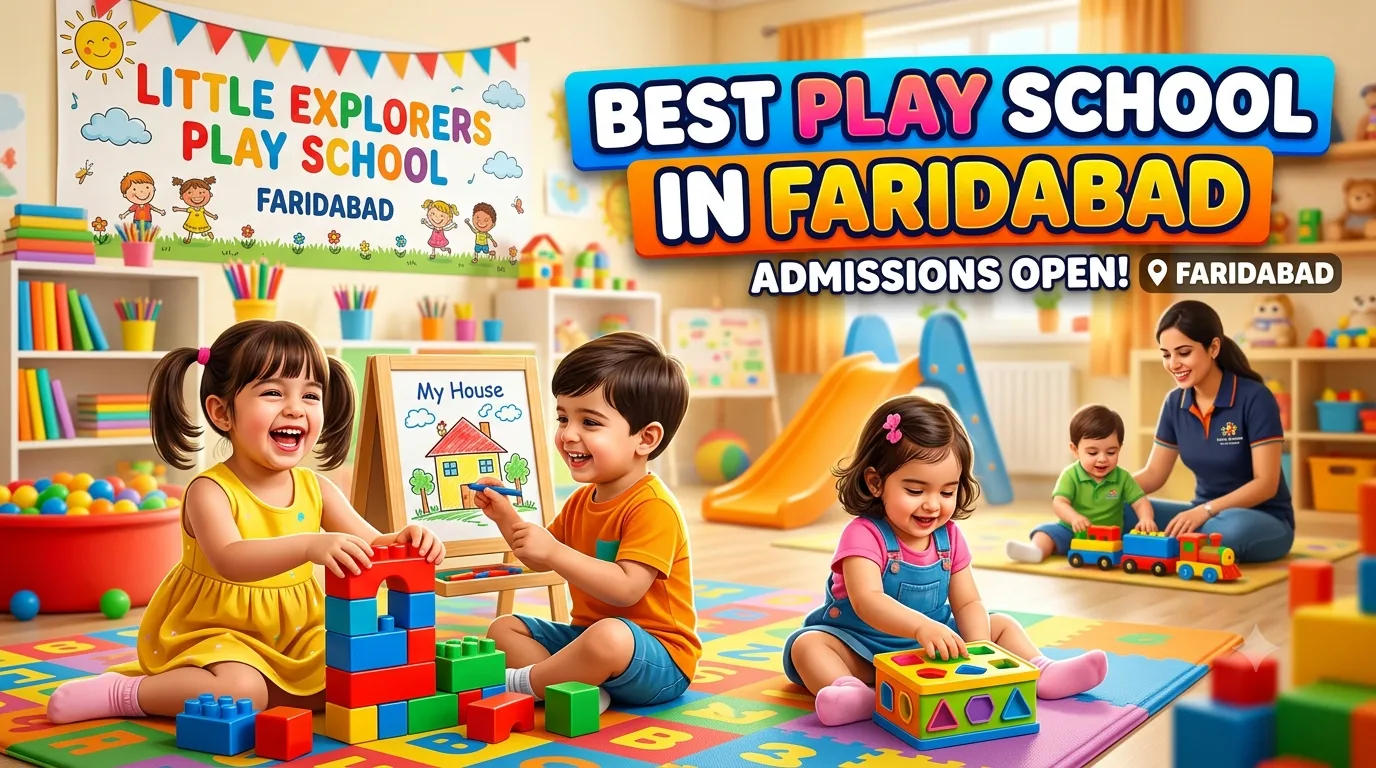
Play-based learning allows children to discover the world at their own pace while developing curiosity and creativity. Activities such as storytelling, music, role play, art, and hands-on exploration help young learners strengthen problem-solving abilities and improve communication skills. When children enjoy learning in a nurturing environment, they become more confident and eager to participate in new experiences.
How Play-Based Learning Supports Overall Development
A quality play school program focuses on the complete development of every child instead of concentrating only on reading and writing. Learning through play encourages children to think independently, express their emotions, and work collaboratively with others.
Physical development is supported through activities like outdoor games, dance, and movement exercises that improve coordination, balance, and motor skills. Language development grows naturally as children engage in conversations, listen to stories, and participate in group discussions.
Cognitive skills are strengthened through puzzles, sensory activities, counting games, and creative projects that stimulate critical thinking and memory. Emotional development also plays a vital role, as children learn to manage feelings, build self-confidence, and develop resilience in a safe and encouraging environment.
Essential Features of a Good Play School Program
Choosing the right play school requires parents to look beyond attractive classrooms and colorful learning materials. The overall environment, teaching approach, and child-centered philosophy are equally important.
An effective program should include experienced teachers who understand the developmental needs of young children. Small class sizes allow educators to provide individual attention and create meaningful interactions with every child.
A balanced curriculum combines structured learning with free play, creative activities, music, storytelling, outdoor experiences, and opportunities for social interaction. Safe infrastructure, hygienic facilities, and age-appropriate learning resources further contribute to creating an environment where children can learn comfortably.
Parents also benefit from schools that maintain regular communication, provide progress updates, and encourage family involvement in a child's learning journey.
The Role of Creative Activities in Child Development
Creativity is an important part of early childhood education because it encourages children to think beyond routine answers. Art, music, dance, pretend play, and craft activities help children express their ideas while developing imagination and confidence.
Creative experiences also improve fine motor skills as children draw, paint, cut, fold, and build with different materials. Group performances and storytelling sessions enhance communication skills while teaching children to listen carefully and respect different perspectives.
These enjoyable learning experiences reduce anxiety and make children more comfortable in social settings. As they participate in collaborative activities, they learn patience, teamwork, and problem-solving in natural ways that traditional classroom instruction often cannot achieve.
Building Social and Emotional Skills Through Daily Interaction
One of the greatest benefits of a play school program is the opportunity for children to interact with peers in a structured environment. Daily classroom routines help children understand sharing, cooperation, empathy, and responsibility.
Simple activities such as group games, circle time, and collaborative projects encourage children to communicate respectfully and solve minor conflicts independently with teacher guidance. These experiences strengthen emotional intelligence and prepare children for future academic environments.
Parents looking for trusted options often consider institutions with a strong reputation for holistic learning. Apple Seeds School Faridabad focuses on creating a supportive atmosphere where children feel secure, valued, and motivated to learn through exploration, creativity, and positive relationships with teachers and classmates.
Families searching for the play school in faridabad can benefit from choosing a school that combines academic readiness with social and emotional development, ensuring children receive a balanced early education.
How Parents Can Support Learning Beyond the Classroom
The learning process does not end when children leave school. Parents play a significant role in reinforcing positive habits and encouraging curiosity at home.
Reading together every day helps improve vocabulary and listening skills. Encouraging children to ask questions, solve simple problems, and participate in household activities builds confidence and independence. Outdoor play, creative art projects, and conversations during daily routines also contribute to continuous learning.
Maintaining open communication with teachers helps parents understand their child's strengths, interests, and areas where additional support may be beneficial. Consistency between home and school creates a stable learning environment that supports healthy development.
Parents interested in gaining a better understanding of early childhood education can explore 15 interesting facts about play school for parents to learn more about how play-based learning benefits young children.
Choosing the Right Play School for Your Child
Selecting the right school is one of the most important decisions parents make during their child's early years. Instead of focusing only on academic achievements, parents should evaluate teaching methods, classroom environment, safety standards, teacher qualifications, and opportunities for overall development.
Visiting the campus, interacting with teachers, and observing classroom activities provide valuable insights into how children are nurtured and encouraged to grow. A school that emphasizes creativity, emotional well-being, communication, and practical learning often provides a stronger foundation for future success.
For families planning admissions, the faridabad play school admission 2026 guide offers helpful information to understand the enrollment process and prepare for the next academic session.
Parents seeking comprehensive early education programs may also consider exploring the no. 1 ranked nursery school in faridabad to understand how structured play-based learning supports children's academic, emotional, social, and physical growth.
Conclusion
A thoughtfully designed play school program shapes a child's future by developing essential life skills alongside academic readiness. Through play-based learning, creative exploration, physical activities, and positive social experiences, children gain the confidence and abilities needed to thrive in school and beyond.
By selecting an institution that prioritizes holistic development, experienced educators, and a nurturing environment, parents can give their children a strong start in life. Apple Seeds School Faridabad exemplifies this balanced approach by combining engaging learning experiences with individualized attention, helping young learners build curiosity, confidence, and lifelong enthusiasm for learning.