Running a modern machine shop is a constant balancing act of speed, precision, and changing customer demands. High-mix, low-volume production runs are more common than ever, and machinists are forced to constantly tear down and rebuild setups for entirely different parts. Hours of swapping out rigid components for small batches totally kill your profitability.
So, it is vital that you integrate highly adaptable work-holding fixtures into your daily workflow. A provider of a flexible work-holding device who understands these rapid change requirements can dramatically reduce your downtime and keep your spindles turning.
In this quick guide, we will explore:
- The hidden operational costs of traditional, rigid clamping setups.
- How modular components allow you to transition between jobs in minutes.
- Simple strategies to maximize your existing machine table real estate.
The Problem with Single-Purpose Setups
Traditional manufacturing relied heavily on dedicated setups. If a shop had to run a thousand identical parts, spending a full day building a permanent, single-purpose block made perfect economic sense. However, when a customer only needs five or ten intricate parts before you have to switch to an entirely different geometry, that old-school methodology falls apart completely.
If your operators spend more time looking for specific brackets, cranking down fixed bolts, or aligning custom jaws than they do actually cutting metal, your machinery is losing money. Single-purpose setups choke your shop's throughput and make it incredibly difficult to pivot when an urgent, short-run hot job lands on your desk.
The Power of Modular Adaptability
Transitioning to flexible setup habits changes the entire equation. You can adapt to a new part geometry on the fly with standard, high-precision building blocks like step blocks, adjustable strap clamps, and extension studs. Instead of cobbling together a custom setup or warehousing tons of iron blocks, you simply reconfigure your modular components directly on the machine table.
This adaptability ensures that your clamping hardware conforms perfectly to the unique contour of the workpiece, rather than forcing you to modify the machine bed. It provides the rigid clamping force required for heavy milling while giving you the geometric freedom to jump from a small electronic housing to a massive structural bracket with zero friction.
Redefining Your Setup Strategy
To truly thrive when handling short production runs, machine shops must treat changeover time as a key metric of success. Moving away from bulky, custom-welded jigs and moving toward universal, modular components ensures that your machining center stays running rather than sitting idle during tedious changeovers.
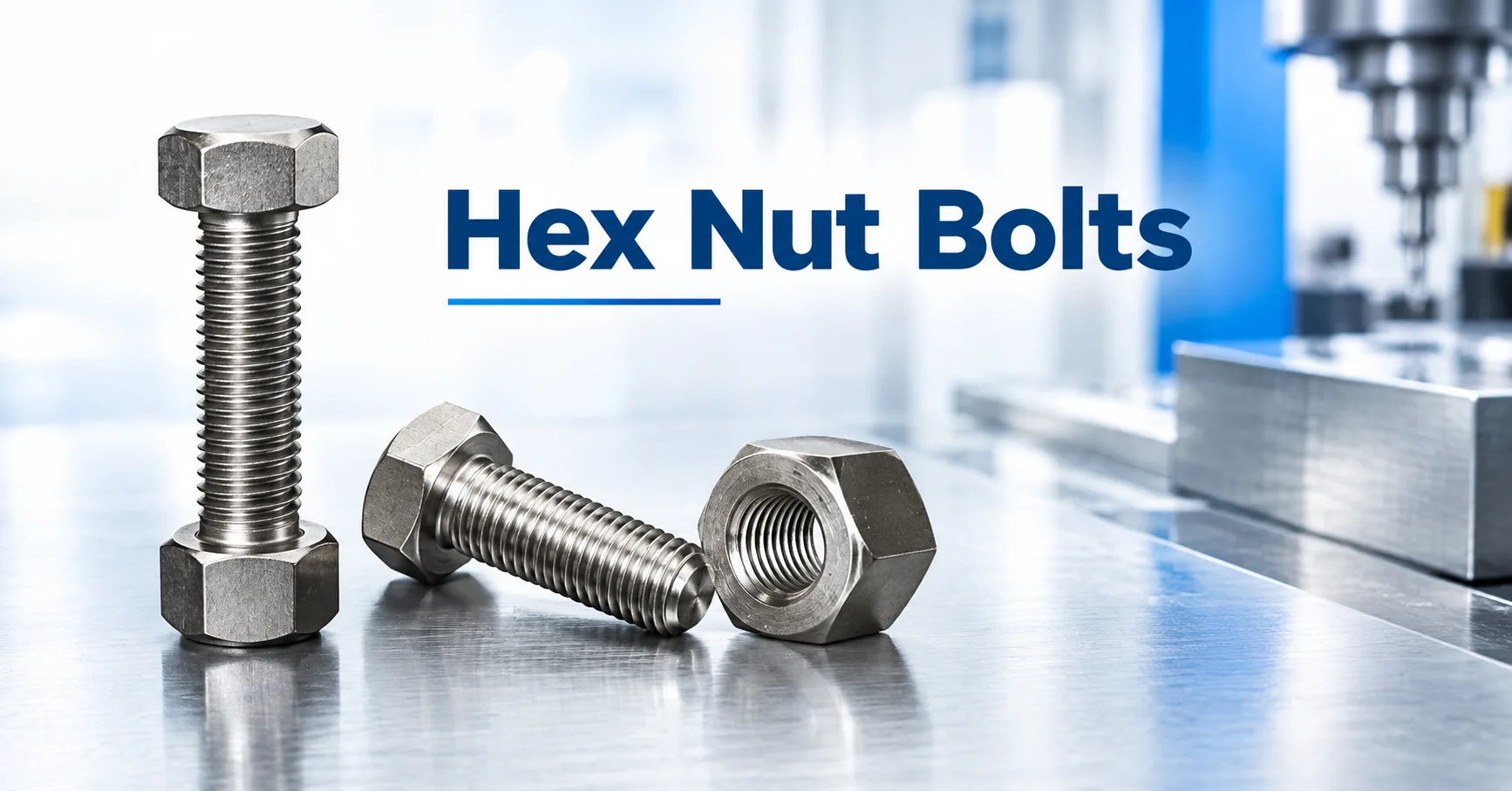
When your operators have a reliable, standardized system of studs, nuts, and straps at their disposal, complex alignments take minutes instead of hours. This shift not only keeps your operators safe from improvised clamping setups but also unlocks massive capacity hidden within your existing CNC equipment.
Conclusion
George H. Seltzer & Co. is a premier leader in industrial hardware, setup tools, and heavy-duty clamping components. Their set-up tools are durable and built to last, allowing machine shops to be flexible when production demands change in a flash. Choosing a reputable supplier of work-holding devices that places importance on rigid manufacturing standards saves you the trial-and-error of mismatched hardware.
Upgrading your shop floor with highly adaptable work-holding fixtures guarantees your team will be able to jump seamlessly from one low-volume job to the next without sacrificing part accuracy or blowing past your deadlines.