Arabic Mehndi Designs – A Timeless Art of Elegance and Grace (1000 Words)
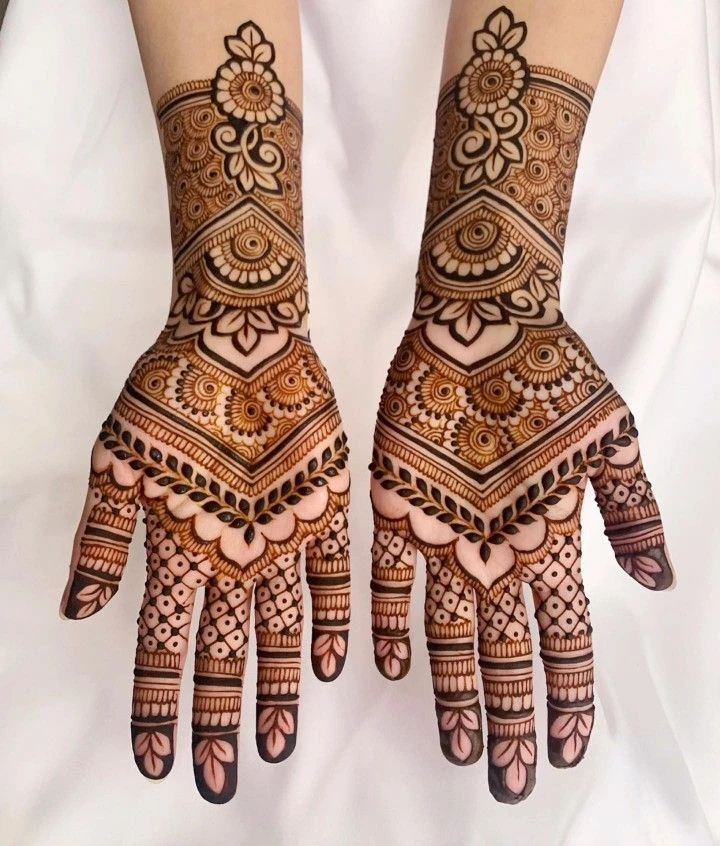
Arabic Mehndi Designs are among the most popular and visually appealing styles of henna art in the world. Known for their bold strokes, flowing patterns, and minimalistic elegance, these designs are a staple in festive and wedding celebrations across South Asia, the Middle East, and North Africa. In this blog, we will explore the origin, style elements, types, and cultural significance of Arabic Mehndi Designs, along with creative ideas to try.
Origin and Cultural Roots
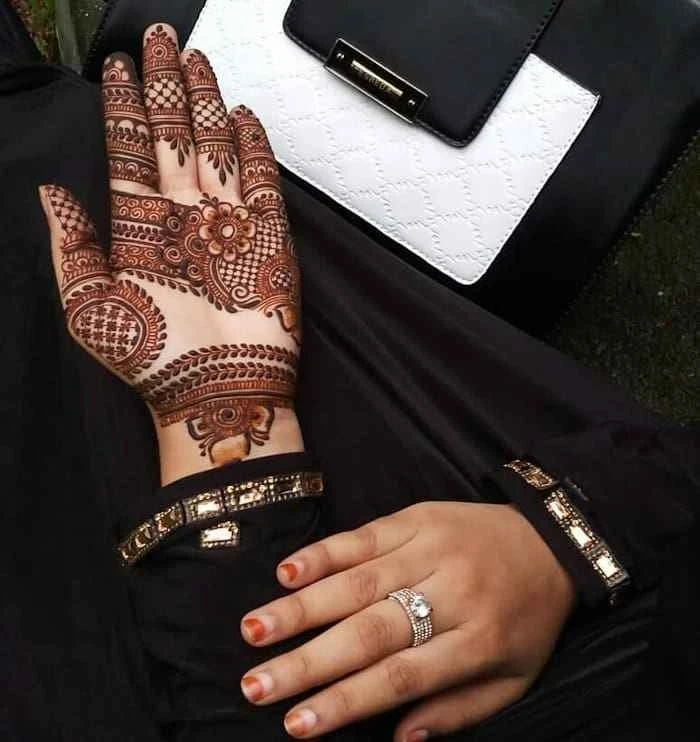
Arabic Mehndi Designs trace their roots to the Arabian Peninsula. Historically, henna (or mehndi) was used in the region not just as body art but also for its cooling and medicinal properties. Over time, the use of mehndi became ceremonial, often marking important events like weddings, Eid celebrations, and other festive occasions.
What makes Arabic mehndi distinctive is its focus on open spaces, thick outlines, and simple yet stylish motifs. Unlike the intricate detailing of Indian designs, Arabic patterns favor bold and uncluttered forms, making them easier and faster to apply.
Key Features of Arabic Mehndi Designs
- Bold and Flowing Patterns:
- Arabic designs often start from one side of the hand and trail in a diagonal flow. These patterns tend to feature flowers, leaves, vines, and paisleys, all done in thick strokes with generous spacing between the elements.
- Open Spaces (Negative Space):
- A defining trait of Arabic mehndi is the use of negative space. These empty areas enhance the beauty of the design by making the applied henna stand out more prominently.
- Minimalistic Yet Striking:
- These designs are less dense than traditional Indian bridal mehndi, but that doesn't make them any less attractive. In fact, their simplicity often enhances their appeal, especially for those who prefer modern and elegant styles.
- Floral and Geometric Patterns:
- Flowers, especially roses and lotuses, along with geometric shapes like diamonds and parallel lines, are frequently seen in Arabic mehndi. These elements create a rhythmic and symmetrical look.
Types of Arabic Mehndi Designs
Here are a few popular categories within the Arabic Mehndi style:
1. Floral Arabic Designs
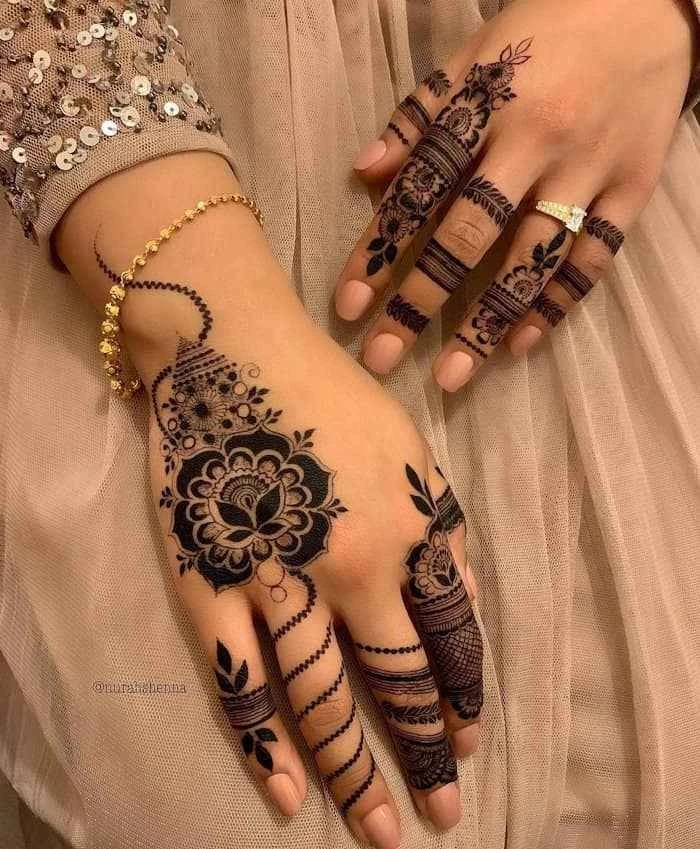
These are the most traditional and widely used. Large flowers, surrounded by swirling vines and leaves, form a continuous pattern across the hands or feet. Perfect for both casual and formal occasions, these designs are timeless.
2. Modern Arabic Fusion Designs
This category blends Arabic style with elements from Indian and Western mehndi. It may include mandalas, jaali work (net patterns), or even jewelry-inspired motifs. Fusion designs are great for bridesmaids or anyone looking for something unique.
3. Single-Trail Arabic Design
As the name suggests, this design features a single trail of mehndi that runs from the tip of the finger down to the wrist or ankle. Ideal for people who prefer minimal henna, this style is quick to apply and dries faster.
4. Shaded Arabic Designs
Shading adds depth and drama to the patterns. A gradient of colors is created by controlling the thickness of the henna paste, which gives the appearance of dimension. These designs are particularly popular for engagements and festive wear.
5. Backhand Arabic Designs
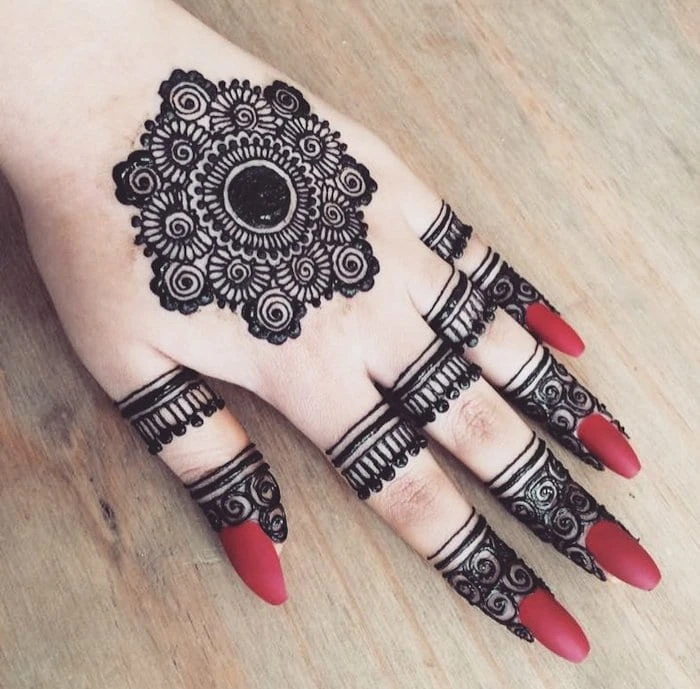
Backhand mehndi has gained popularity on social media due to its aesthetic appeal in photos. Arabic backhand designs often resemble hand jewelry, such as haathphool, and include finger rings and bracelet-like motifs.
Occasions Perfect for Arabic Mehndi
- Weddings: Brides who prefer lighter mehndi can opt for Arabic designs on their feet or backhands. They also make an excellent choice for guests and bridesmaids.
- Eid & Religious Festivals: The festive season is incomplete without the rich aroma and beauty of mehndi. Arabic designs add flair without taking hours to apply.
- Karva Chauth & Teej: These special Indian festivals see women adorning their hands with delicate yet prominent designs, making Arabic patterns a go-to.
- Casual Wear: Due to their simplicity, Arabic designs are also suitable for daily wear or spontaneous celebrations.
Tips to Make Your Arabic Mehndi Design Stand Out
- Use Fresh Henna Paste: For the deepest and most long-lasting stain, always use freshly prepared natural henna.
- Practice Flow and Symmetry: Arabic designs depend on smooth curves and rhythmic balance. Practice makes perfect.
- Add Glitter or Stones: For weddings or parties, consider decorating your dried mehndi with bindis, glitter cones, or adhesive stones.
- Combine with Nail Art: Pairing mehndi with complementary nail colors can elevate your entire hand’s aesthetic.
Arabic Mehndi for Feet
Feet often get overlooked, but Arabic mehndi makes them look just as beautiful. A floral vine starting from the toes and moving diagonally toward the ankle can look incredibly graceful. You can also try anklet-style designs or mirror-image patterns on both feet.
Trending Arabic Mehndi Design Ideas
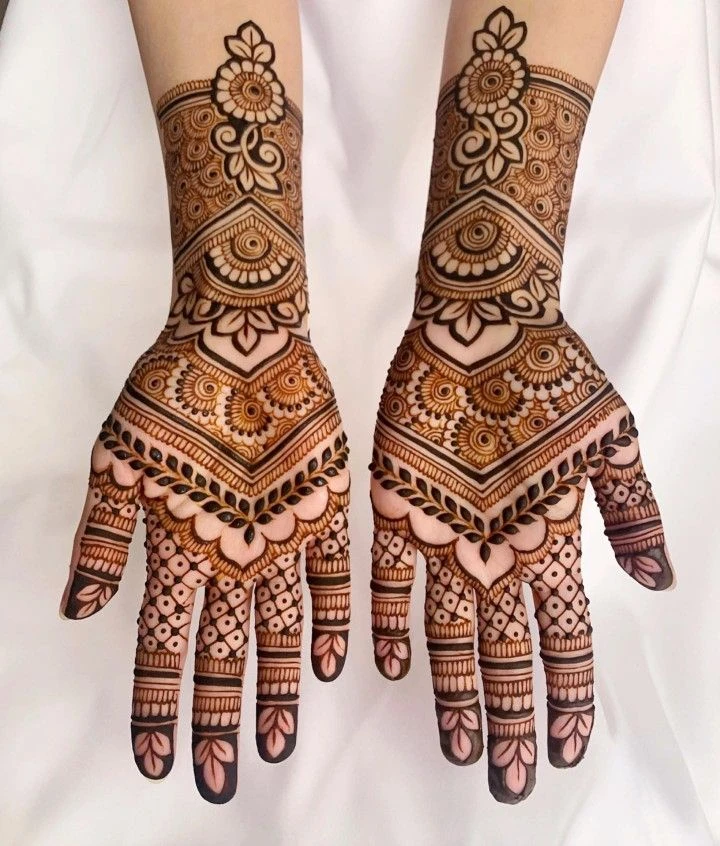
- Mandala in the Center with Floral Extensions: A round mandala placed in the palm’s center with leaf-like vines spreading outwards looks stunning and balanced.
- Rose Trails with Leaves and Dots: Ideal for romantic events like engagements or proposals, rose motifs never go out of style.
- Bracelet-Inspired Arabic Mehndi: Designs that mimic jewelry on the wrist and hand are highly fashionable right now.
- Side-Palm Sweep Design: A unique look that travels diagonally across the palm and wrist, offering a modern and artistic vibe.
Conclusion
Arabic Mehndi Designs offer the perfect blend of tradition and modernity. Whether you are attending a wedding, celebrating a festival, or simply indulging in a self-care ritual, these designs suit every occasion. They’re elegant without being overwhelming, and artistic without being overly intricate.
What truly sets Arabic mehndi apart is its ability to transform simple lines and curves into a visual masterpiece that looks graceful on anyone – from young girls to brides. So next time you're reaching for the henna cone, try out an Arabic design and let your hands or feet become the canvas for this timeless art form.
Would you like me to create Pinterest-style captions or Instagram hashtags for this blog too?