Introduction
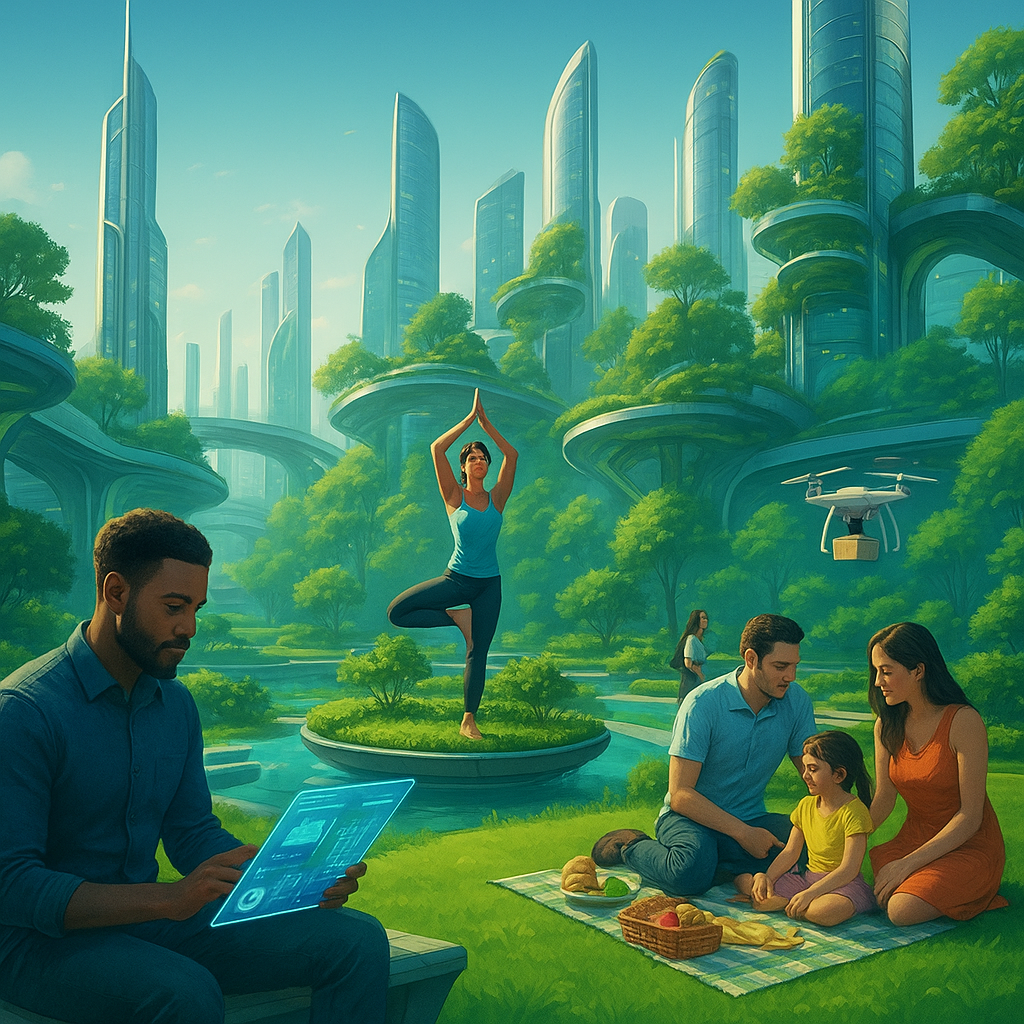
The year 2026 has emerged as a pivotal moment in the evolution of lifestyle trends worldwide. From the way we structure our daily routines to the core values driving our choices, lifestyle in 2026 reflects profound shifts influenced by technology, sustainability, mental health awareness, and community engagement. Understanding these trends is essential not only for individuals seeking to align their lives with the changing times but also for businesses, policymakers, and cultural institutions aiming to remain relevant and supportive in this dynamic environment.
This article delves deep into the key lifestyle trends defining 2026. We will explore how these trends impact everyday realities, reshape work-life balance, and foster new connections across society. Along the way, we will reference insightful analyses from TheOmniBuzz, including Rethinking Daily Life: The Subtle Forces Steering 2026’s Lifestyle Trends and How Emerging Lifestyle Trends Are Redefining Everyday Living, to build a comprehensive understanding of the ongoing revolution in how we live and thrive.
1. The Integration of Technology with Mindful Living
Technology continues to be a double-edged sword in lifestyle transformations. However, 2026 marks a turning point where technology is increasingly harnessed to promote mindfulness and well-being rather than distraction and burnout. Smart devices equipped with AI-driven wellness tracking help individuals monitor stress levels, sleep quality, and physical activity with unprecedented precision.
Wearable technology now integrates seamlessly into daily life, not as intrusive gadgets but as extensions of personal health ecosystems. The rise of biofeedback wearables, for instance, empowers users to make real-time adjustments to their routines, encouraging healthier habits and mental clarity. This fusion of tech and mindfulness illustrates a broader societal shift toward valuing quality of life over mere productivity.
Apps and platforms designed for mental health support—through meditation guidance, cognitive behavioral therapy exercises, and community support groups—have gained immense popularity. This trend reflects a growing acknowledgment that emotional resilience and mental well-being are foundational to a fulfilling lifestyle.
Why This Matters
With mental health challenges becoming increasingly visible, the integration of technology with mindful living is not merely a convenience but a necessity. It enables people to take ownership of their well-being proactively, reducing stigma while fostering empowerment. This trend is extensively discussed in Rethinking Daily Life: The Subtle Forces Steering 2026’s Lifestyle Trends, which highlights how subtle technological shifts are catalyzing profound lifestyle changes.
2. Sustainability as a Core Lifestyle Pillar
In 2026, sustainability transcends buzzword status to become a guiding principle embedded in daily decisions. From the food we eat to the clothes we wear and the energy we consume, sustainable choices are shaping new norms. Consumers demonstrate a clear preference for products and services that prioritize environmental stewardship and ethical sourcing.
Urban living spaces increasingly incorporate green architecture and community gardens, reflecting a desire to reconnect with nature even in highly urbanized environments. Circular economy models gain traction, where reuse, repair, and recycling are not exceptions but standard practices.
Dietary habits also reflect sustainability concerns. Plant-based and lab-grown foods continue to gain market share, driven by environmental impact awareness and health considerations. Locally sourced and seasonal foods have become staples for many, reducing carbon footprints and supporting local economies.
Community and Consumption
Communities play a vital role in reinforcing sustainable lifestyles. Sharing platforms for tools, clothing, and transportation foster resource efficiency and social connections simultaneously. This shift from ownership to access redefines consumption and promotes a sense of shared responsibility.
Such lifestyle evolutions are documented in detail in How Emerging Lifestyle Trends Are Redefining Everyday Living, where sustainability intersects with economic and social dimensions to create resilient communities.
3. The Hybridization of Work and Life
The boundary between work and personal life continues to blur, but 2026 introduces sophisticated hybrid models that prioritize flexibility without sacrificing collaboration or productivity. Remote work, once a response to global crises, has matured into a permanent fixture with refined tools and protocols supporting distributed teams.
Employers focus on outcomes and well-being rather than hours clocked, fostering trust and autonomy. This shift encourages employees to design their workdays around peak personal performance periods and life commitments, enhancing satisfaction and reducing burnout.
Co-working spaces evolve to serve as community hubs offering not just workstations but wellness amenities, networking events, and educational workshops. This holistic approach addresses the social and developmental needs often missed by remote settings.
Impact on Urban and Suburban Living
The hybrid work trend influences residential choices, with many opting for suburban or rural areas offering tranquility and affordability without sacrificing connectivity. This migration fuels changes in local economies and infrastructure development, emphasizing broadband access and community services.
The ongoing transformation of work-life balance aligns with broader lifestyle trends discussed in Rethinking Daily Life: The Subtle Forces Steering 2026’s Lifestyle Trends, illustrating how subtle shifts in professional norms catalyze widespread changes in living patterns.
4. Personalized and Experiential Consumption
Consumers in 2026 increasingly seek personalized experiences rather than generic products. Advances in AI and data analytics allow brands to tailor offerings to individual preferences with remarkable accuracy, from custom nutrition plans to adaptive fashion and entertainment.
Experiential consumption emphasizes memorable moments, self-expression, and social connection. Travel, dining, and leisure activities are curated to engage senses, nurture creativity, and foster community belonging. This shift reflects a broader cultural move away from materialism toward meaningful engagement.
Virtual and augmented reality technologies enhance experiential consumption by enabling immersive interactions that transcend physical limitations. Whether attending a concert, exploring a museum, or collaborating in a creative workshop, digital experiences complement and enrich real-world activities.
Economic and Social Implications
The rise of personalized, experiential consumption impacts economic models by encouraging subscription services, on-demand customization, and niche markets. Socially, it nurtures diversity and inclusion by valuing unique identities and fostering shared experiences.
This trend is explored in context in How Emerging Lifestyle Trends Are Redefining Everyday Living, emphasizing how personalization reshapes consumer culture and daily life.
5. Holistic Health and Preventive Care
2026’s lifestyle landscape embraces a holistic view of health that integrates physical, mental, emotional, and social well-being. Preventive care is prioritized, with individuals adopting proactive measures to maintain health rather than reacting to illness.
Nutrition, exercise, sleep, stress management, and social connections are recognized as interconnected pillars of health. Wellness programs extend beyond gyms and clinics to include community initiatives, workplace integration, and digital coaching.
Innovations in genomics and personalized medicine empower individuals with tailored health insights, enabling customized preventive strategies. This scientific progress supports the lifestyle trend of self-optimization balanced with acceptance and self-compassion.
Community and Policy Dimensions
Communities and policymakers play key roles in facilitating holistic health by ensuring access to green spaces, healthy food options, and mental health services. Workplace wellness standards evolve to support this comprehensive perspective.
The shift toward holistic health is increasingly visible in cultural narratives and lifestyle choices, as detailed in relevant TheOmniBuzz analyses.
6. The Revival of Localism and Community Engagement
In response to global uncertainties and digital saturation, many individuals prioritize localism and community engagement as anchors of stability and belonging. Neighborhood initiatives, local arts, and grassroots activism gain momentum as people seek meaningful connections and collective resilience.
This revival manifests in support for local businesses, participation in community decision-making, and collaborative projects that address environmental and social challenges. Digital tools facilitate these efforts by connecting neighbors and amplifying local voices.
Localism also influences lifestyle choices, from sourcing food and goods locally to engaging in community-based cultural and recreational activities.
Building Social Capital
Strong community ties enhance social capital, fostering trust, cooperation, and mutual support. This social infrastructure proves invaluable in navigating modern complexities and uncertainties.
The importance of community engagement within lifestyle trends is discussed in How Emerging Lifestyle Trends Are Redefining Everyday Living, illustrating how local connections shape everyday realities.
7. The Role of Education and Lifelong Learning
Lifelong learning has become a cornerstone of 2026 lifestyles, reflecting rapid technological change and evolving career landscapes. Continuous education, skill development, and personal growth are integrated into daily routines.
Educational platforms offer flexible, personalized learning experiences accessible anytime and anywhere. Micro-credentials, peer-to-peer learning, and experiential education emphasize practical skills and adaptability.
This approach empowers individuals to navigate career transitions, pursue passions, and engage meaningfully in society.
Integration with Work and Lifestyle
Employers increasingly support lifelong learning as part of work-life integration, recognizing its role in employee engagement and innovation. The trend also fosters a culture of curiosity and resilience that permeates broader lifestyle choices.
The intersections between education, work, and lifestyle are analyzed in various TheOmniBuzz articles, highlighting their significance in shaping 2026 realities.
Conclusion
As 2026 unfolds, the lifestyle trends emerging and consolidating reveal a multifaceted revolution in how we live, work, and thrive. Emphasizing mindfulness, sustainability, hybrid work, personalization, holistic health, community, and lifelong learning, these trends collectively point toward a more conscious, connected, and resilient society.
Understanding these developments offers valuable insights for individuals seeking to navigate the changing world thoughtfully and for institutions aiming to foster environments that support flourishing lives. For further exploration of these themes, readers are encouraged to consult TheOmniBuzz’s extensive analyses such as Rethinking Daily Life: The Subtle Forces Steering 2026’s Lifestyle Trends and How Emerging Lifestyle Trends Are Redefining Everyday Living, which offer deeper dives into the subtle forces and concrete manifestations of the lifestyle revolution shaping our times.