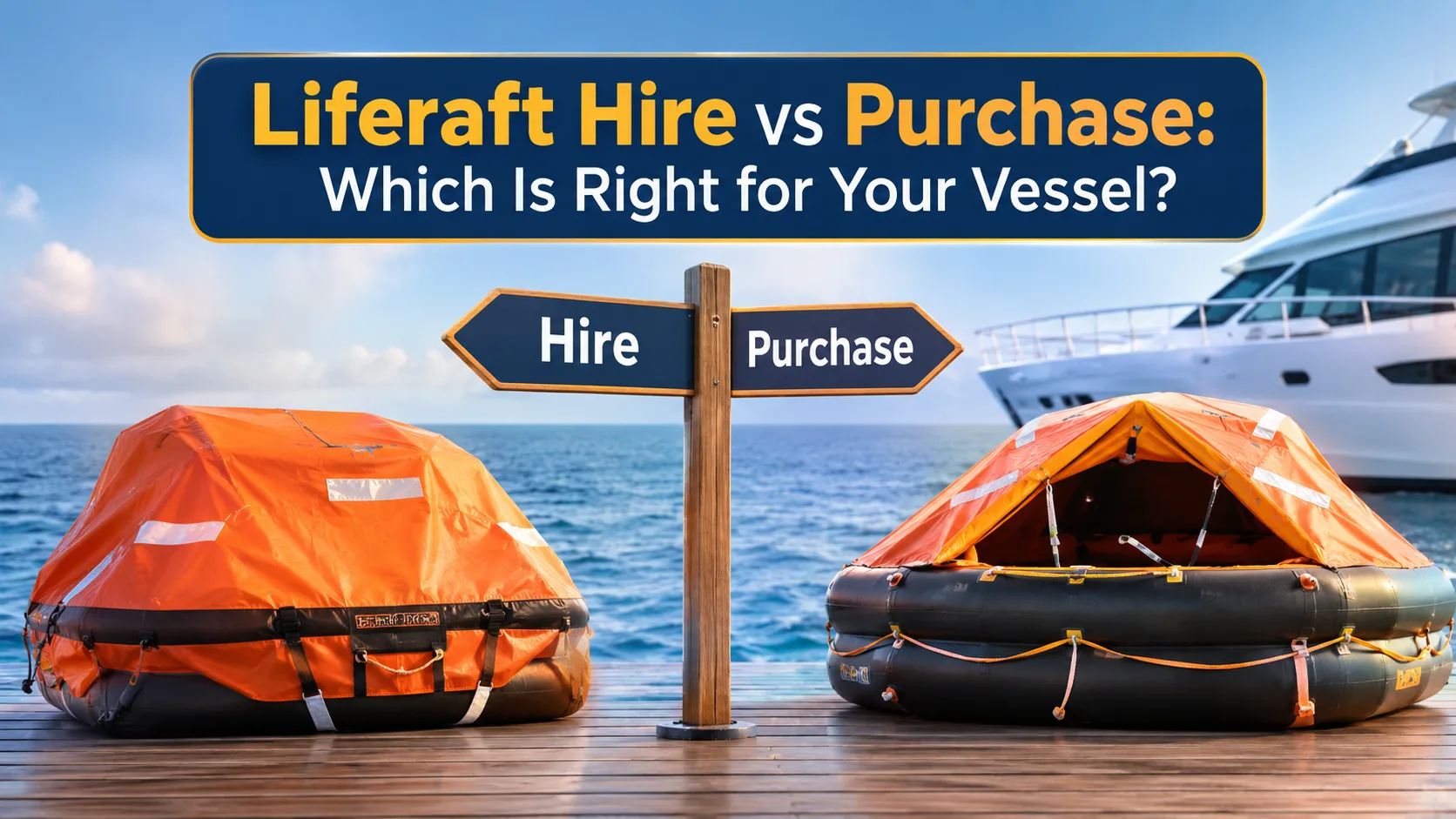
When it comes to safety at sea, having the right equipment onboard can make a significant difference during an emergency. A liferaft is one of the most important pieces of safety equipment for vessels operating offshore or in areas where abandoning the boat may become necessary. However, choosing the right liferaft is only part of the decision. Boat owners and commercial operators must also decide whether hiring or purchasing one makes more financial and practical sense.
For UK vessel owners, the choice between liferaft hire and purchase depends on several factors, including how frequently the vessel operates, its intended cruising area, servicing requirements and available budget. Both options offer advantages, but the most suitable solution will vary depending on individual circumstances.
Understanding these differences can help you make a more informed decision while ensuring your vessel has reliable marine safety equipment that meets the relevant requirements. This guide compares both options to help you decide which is right for your vessel.
Why Is a Liferaft Essential for UK Boats and Commercial Vessels?
Unexpected situations such as fire, flooding, collision or severe weather can force a crew to abandon a vessel. In these circumstances, a liferaft provides a temporary survival environment, helping protect passengers and crew from exposure to cold water, wind and challenging sea conditions.
For recreational sailors, fishing crews and commercial operators, carrying appropriate lifesaving equipment is an important part of responsible vessel operation.
A suitable liferaft should be selected according to:
- The number of people regularly carried onboard.
- The vessel's operating area and expected weather conditions.
- Applicable UK maritime safety requirements.
- The type and duration of journeys undertaken.
- Available storage and launching arrangements.
It is also important to remember that liferaft requirements are not identical for every vessel. Owners should check the relevant Maritime and Coastguard Agency (MCA) guidance and applicable vessel code before selecting equipment.
What Is Liferaft Hire and How Does It Work?
Liferaft hire allows boat owners and marine operators to use a suitable liferaft for an agreed period without purchasing the equipment outright. It can be particularly useful for seasonal boating, temporary commercial operations and vessels that do not require a permanently owned liferaft.
Depending on the supplier and agreement, liferaft hire may include equipment provision, servicing arrangements, collection and replacement support. However, these services should always be confirmed before entering into a hire agreement.
Benefits of Hiring a Liferaft
One of the biggest advantages of hiring is the lower initial financial commitment. Instead of paying the full purchase price, vessel owners can arrange equipment for the period they need it.
Other potential benefits include:
- Lower upfront costs: Avoid a significant initial investment in equipment.
- Flexible arrangements: Suitable for seasonal sailing and short-term vessel operations.
- Servicing convenience: Some agreements include servicing or replacement arrangements.
- Reduced storage concerns: Depending on the agreement, equipment management may be simpler.
- Access to suitable equipment: Operators can discuss different liferaft specifications based on their vessel's requirements.
However, hiring is not automatically the cheaper option. Recurring fees can become expensive when equipment is required throughout the year.
Before choosing a hire arrangement, check the servicing schedule, equipment condition, insurance responsibilities, delivery arrangements and any additional charges.
What Does Purchasing a Liferaft Involve?
Purchasing a liferaft means investing in equipment that becomes the vessel owner's responsibility. This option is often preferred by regular boat owners and commercial operators who need consistent access to lifesaving equipment.
Although the initial investment is generally higher, purchasing can provide better long-term value when the vessel operates frequently over several years.
Benefits of Purchasing a Liferaft
Owning a liferaft gives vessel operators greater control over equipment selection, availability and maintenance arrangements.
Key advantages include:
- Long-term ownership: The liferaft remains available whenever the vessel is scheduled to operate.
- Greater equipment control: Owners can select specifications that suit their vessel and cruising requirements.
- Potential long-term savings: Regular users may avoid repeated hire charges.
- Flexible maintenance planning: Owners can organise servicing around their operational schedules.
However, ownership also brings ongoing responsibilities. Liferafts require appropriate storage, regular inspection and servicing according to the applicable standards and manufacturer instructions.
Owners must also budget for servicing, replacement of expired consumables and any necessary repairs.
Liferaft Hire vs Purchase: Understanding the Key Differences
The most important difference between hiring and purchasing is how the equipment is paid for and maintained.
With liferaft hire, the initial expense is usually lower, making it attractive to occasional users and seasonal operators. The supplier may also manage certain maintenance arrangements, depending on the contract.
Purchasing involves a higher initial cost but gives the owner permanent control over the equipment. This can be more economical for vessels that operate regularly and require a liferaft throughout the year.
Which Option Offers Better Value for Money?
To compare both options fairly, consider the total cost over three to five years rather than focusing only on the initial price.
For hiring, calculate the recurring fees, delivery charges and any servicing costs not covered by the agreement.
For purchasing, include the equipment price, periodic servicing, replacement components, storage and transportation expenses.
A seasonal yacht owner who sails for a few months each year may find hiring more convenient. In contrast, a fishing vessel operating throughout the year may benefit from purchasing, provided the owner can manage the maintenance responsibilities.
The best financial decision depends on actual usage, supplier terms and the expected lifespan of the equipment.
Which Is Better for Different Types of UK Vessels?
Different vessels have different operational requirements, so there is no single solution that suits everyone.
Recreational Boats and Sailing Yachts
For occasional coastal sailing or seasonal cruising, hiring can be a practical option. It helps avoid purchasing equipment that may remain unused for extended periods.
However, yacht owners who regularly undertake offshore passages may prefer purchasing a liferaft that is permanently available and selected specifically for their cruising area.
Commercial Fishing Vessels
Fishing vessels often operate on regular schedules and may face demanding weather and sea conditions. Reliable lifesaving equipment is therefore essential.
Purchasing may offer greater convenience for operators who need continuous access to a suitable liferaft. However, hiring can also be considered where operational circumstances and the agreement make it appropriate.
Charter Boats and Passenger Vessels
Charter companies must consider passenger capacity, seasonal demand and applicable safety requirements. Hiring can provide flexibility for seasonal operations, while purchasing may be more practical for businesses operating throughout the year.
Regardless of the arrangement, the liferaft must be suitable for the vessel, its passenger capacity and its operating conditions.
Commercial Workboats and Marine Operators
For regularly operating workboats, equipment availability and maintenance planning are particularly important. Purchasing may provide greater control, while a suitable hire arrangement can help operators manage temporary requirements.
UK Liferaft Regulations, Servicing and Safety Considerations
Choosing between hiring and purchasing should never come before checking the applicable safety requirements.
The Maritime and Coastguard Agency provides guidance covering liferaft standards, servicing and lifesaving appliance requirements for different vessel categories.
For example, SOLAS inflatable liferafts are generally subject to annual servicing under the applicable MCA requirements. Non-SOLAS liferafts used on relevant UK commercial vessels must be serviced in accordance with the applicable guidance and manufacturer requirements. The exact requirements depend on the equipment and vessel category.
Before hiring or purchasing, check the following:
1. Liferaft standards: Confirm whether the vessel requires SOLAS, ISO 9650 or another accepted specification.
2. Servicing arrangements: Check the next service due date and whether the service station is authorised or accredited for the specific liferaft.
3. Storage and installation: Ensure the equipment is correctly secured, accessible and installed according to manufacturer instructions.
4. Passenger capacity: Select a liferaft with sufficient capacity for everyone onboard.
5. Emergency readiness: Make sure the crew understands where the liferaft is stored and how it should be deployed.
Remember that correct servicing and installation are just as important as selecting the right equipment. A liferaft that has not been properly maintained may not perform as expected during an emergency.
7 Important Factors to Consider Before Choosing Liferaft Hire or Purchase
Before making your decision, consider these practical questions:
- How frequently do you use your vessel? Occasional users may benefit from hiring, while regular operators may prefer ownership.
- Where do you operate? Coastal and offshore operations can have different equipment requirements.
- How many people travel onboard? Passenger capacity directly influences liferaft selection.
- What is your available budget? Compare initial expenses with ongoing costs.
- Who manages servicing? Understand the responsibilities associated with each option.
- Where will the equipment be stored? Consider accessibility, space and installation requirements.
- Does the equipment meet applicable regulations? Confirm compliance before committing to a particular liferaft.
Why Choose ADEC Marine for Your Liferaft and Marine Safety Requirements?
Selecting appropriate lifesaving equipment requires more than comparing prices. Vessel owners need to consider equipment specifications, servicing arrangements and the safety requirements applicable to their operations.
ADEC Marine supports marine safety needs through its range of marine safety equipment and servicing-related solutions. Whether you operate a recreational boat, sailing yacht or commercial vessel, understanding your equipment requirements is an important first step towards maintaining onboard safety.
Alongside liferafts, other essential marine safety supplies should also be inspected regularly to ensure that your vessel remains properly equipped for emergencies.
If your liferaft or lifejacket requires professional attention, visit the ADEC Marine Liferaft and Lifejacket Servicing page to learn more about the available servicing solutions.
Choosing suitable equipment and maintaining it correctly can help improve emergency preparedness and support safer operations at sea.
Final Verdict: Should You Hire or Purchase a Liferaft?
The decision between liferaft hire and purchase ultimately depends on your vessel's usage, operating requirements and long-term budget.
Hiring may be the better choice for seasonal boat owners, occasional sailors and operators with temporary equipment requirements. Purchasing may offer greater convenience and potential long-term value for vessels that operate regularly throughout the year.
Whichever option you choose, prioritise equipment suitability, correct servicing and compliance with relevant UK maritime requirements.
For additional guidance on maintaining reliable marine safety equipment, ADEC Marine can help you take the next step towards keeping your vessel properly prepared for emergencies.