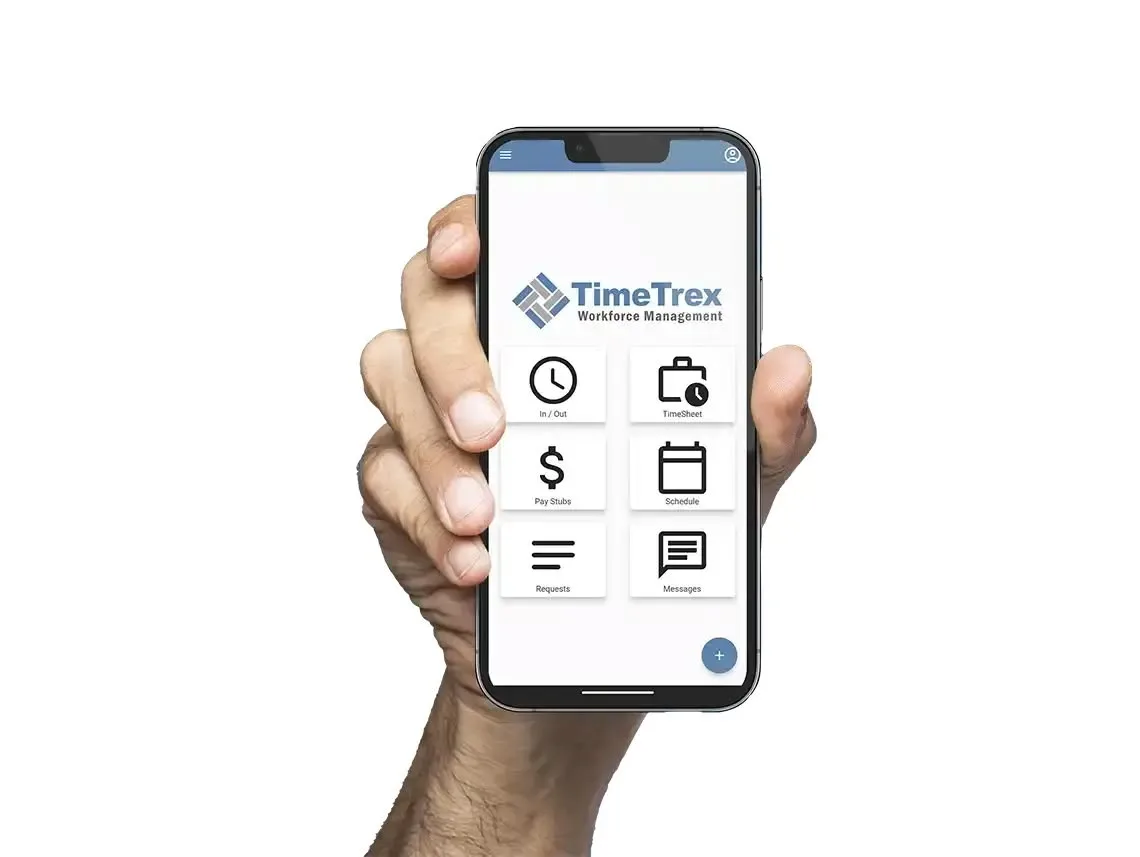
Managing employee schedules, vacations, and daily attendance has become increasingly important in today's fast-paced business environment. Organizations of every size are looking for practical ways to improve workforce productivity while reducing administrative tasks. Traditional methods such as spreadsheets and paper records often lead to errors, confusion, and unnecessary delays. As businesses continue to embrace digital transformation, investing in advanced workforce management solutions has become a smart decision.
The Importance of Accurate Employee Attendance
Employee attendance is one of the key factors that directly impacts productivity and operational efficiency. When attendance records are inaccurate or incomplete, payroll errors, scheduling conflicts, and compliance issues can quickly arise. Businesses need reliable systems that provide real-time visibility into employee working hours, absences, and overtime.
A modern leave and attendance tracking software solution simplifies these tasks by automating attendance records, managing employee leave requests, and generating accurate reports. This helps HR professionals focus on strategic initiatives instead of spending valuable time on manual recordkeeping.
Streamlining Leave Management
Handling employee leave manually can be a challenging process, especially for organizations with large teams. Managers often need to verify leave balances, approve requests, and update records across multiple systems. Without automation, mistakes are common and can negatively affect employee satisfaction.
Digital leave management allows employees to submit leave requests through an online portal while managers receive instant notifications for approvals. The entire workflow becomes transparent, ensuring that leave balances remain accurate and everyone has access to up-to-date information.
This streamlined approach also minimizes scheduling conflicts by allowing managers to review team availability before approving time off.
Improving HR Productivity
Human resource departments are responsible for numerous administrative responsibilities beyond attendance management. Automating repetitive processes allows HR teams to dedicate more time to employee engagement, recruitment, and professional development.
Modern attendance systems can automatically calculate work hours, overtime, late arrivals, and absenteeism. These features eliminate repetitive manual calculations and reduce the risk of human error.
Additionally, centralized employee data enables HR professionals to retrieve attendance records instantly whenever needed for audits, performance reviews, or compliance reporting.
Enhancing Employee Experience
Employees appreciate workplace technology that makes routine tasks simple and accessible. Self-service portals empower staff members to check attendance history, view leave balances, request vacations, and monitor approval status without contacting HR for every update.
Mobile accessibility further improves convenience by allowing employees to clock in remotely, submit leave requests, or receive notifications directly from their smartphones. This flexibility is particularly valuable for remote workers and organizations with multiple office locations.
A transparent attendance system builds trust because employees can easily verify their records and address discrepancies quickly.
Better Decision-Making Through Data
Workforce data provides valuable insights that help organizations improve operational efficiency. Attendance reports can identify recurring absenteeism, seasonal leave trends, overtime costs, and workforce utilization patterns.
Managers can use these insights to optimize staffing levels, improve scheduling, and make informed hiring decisions. Predictive reporting also helps businesses prepare for busy periods by anticipating staffing requirements before shortages occur.
Data-driven workforce management ultimately supports stronger business planning and better resource allocation.
Compliance and Security Benefits
Employment regulations often require organizations to maintain accurate attendance and leave records. Automated systems help businesses remain compliant by securely storing employee data and maintaining complete audit trails.
Role-based access controls ensure sensitive information is only available to authorized personnel. Cloud-based backups also reduce the risk of data loss caused by hardware failures or accidental deletion.
These security features provide peace of mind while supporting regulatory compliance across different industries.
Choosing the Right Solution
Selecting the ideal attendance management platform depends on business size, workforce structure, and operational needs. Important features to consider include automated attendance tracking, customizable leave policies, payroll integration, mobile accessibility, reporting dashboards, biometric support, and cloud-based storage.
Scalability is another important factor. As businesses grow, their workforce management system should easily accommodate additional employees, departments, and locations without requiring significant upgrades.
An intuitive user interface also encourages faster adoption among employees and administrators, maximizing the return on investment.
Conclusion
Efficient workforce management is essential for organizations that want to improve productivity, reduce administrative burdens, and enhance employee satisfaction. Digital attendance solutions simplify daily HR operations while providing accurate records, insightful reporting, and secure data management.
Implementing reliable leave and attendance tracking software enables businesses to automate complex processes, strengthen compliance, and create a more organized workplace. As organizations continue to evolve, adopting modern attendance technology will remain an important step toward long-term operational success.