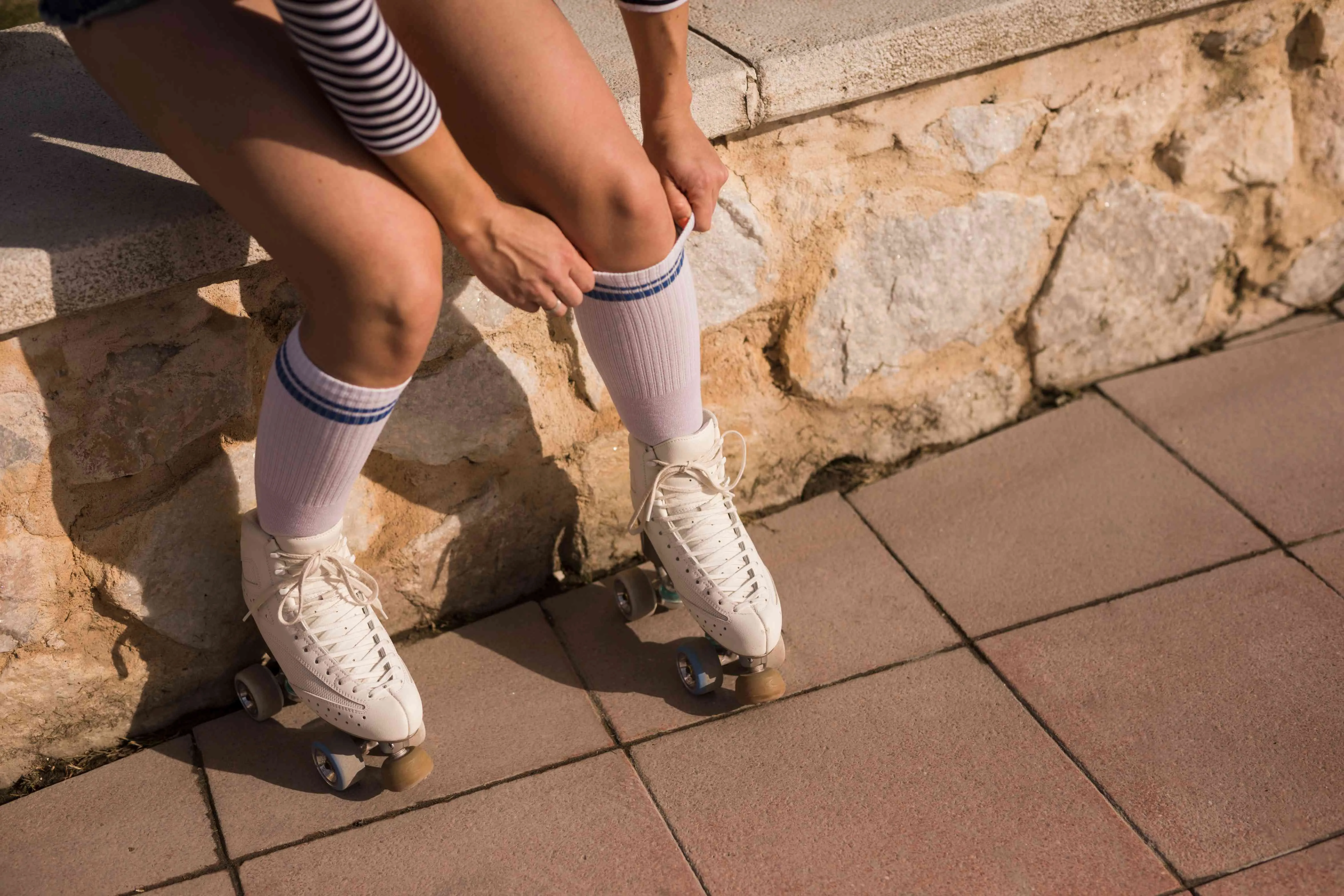
Knee-high compression socks are specialized garments designed to support leg health and improve circulation. They apply gentle, graduated pressure to the legs and ankles, helping blood flow more efficiently from the lower limbs back to the heart. These socks have been shown to reduce swelling, relieve discomfort, and minimize fatigue in the legs and ankles. Despite their simple appearance, they can be highly effective in promoting overall comfort and supporting healthy circulation.
Compression socks come in a range of pressure levels, measured in mmHg (millimeters of mercury). Light compression typically ranges from 8–15 mmHg, while firmer, medical-grade options can range from 30–40 mmHg or higher. They are available in various styles, including knee-high, thigh-high, and full-length compression tights. In this article, we’ll help you understand when and why you should use knee-high socks compression.
1. For Medical Conditions
Knee-high compression socks are crucial for managing conditions where vein walls are weakened or valves fail, leading to blood pooling. The socks apply graduated pressure to help veins push blood back towards the heart, preventing venous insufficiency symptoms like aching and heavy legs. For those suffering from varicose veins, these stockings reduce venous pressure, limiting the progression of swollen veins.
They are the primary treatment for managing swelling and reducing the risk of deep vein thrombosis (DVT), a dangerous condition where blood clots form in the legs. By boosting circulation, they also alleviate symptoms of post-thrombotic syndrome. Knee-high compression socks are often recommended for people with lymphedema to help manage fluid accumulation. A doctor will prescribe a specific pressure based on the severity of the condition.
2. Daily Activity and Work
For individuals who spend long hours standing or sitting, such as nurses, retail workers, and office staff, knee-high compression socks are essential for maintaining comfort and preventing long-term damage. When standing for extended periods, gravity can cause blood to pool in the lower legs, leading to swelling (edema), discomfort, and fatigue at the end of the day. Graduated compression helps combat this by continuously promoting upward blood flow, which reduces the aching sensation in the calves and ankles.
Wearing them during work ensures that leg muscles receive better oxygenation and reduce the strain on veins, thereby preventing the development of spider veins and varicose veins. They also keep legs energized, potentially improving stamina and reducing the general feeling of tiredness after a long working day.
3. Traveling
Long-distance travel, e.g., flights and long car rides, can make your legs cramped and immobile. A prolonged seated position for hours is a major risk factor for developing DVT. Knee-high compression socks during travel can increase blood flow, reducing the risk of blood clots in the lower legs from inactivity.
They prevent blood from pooling in the ankles and calves, reducing swelling associated with air travel. For frequent flyers or anyone taking a flight longer than 4 hours, these socks are a vital preventive measure to ensure blood circulation remains active, alleviating leg fatigue and preventing fluid retention.
4. During and After Exercise
Athletes often wear knee-high compression socks during and after exercise to improve performance and accelerate recovery. During activity, compression acts on muscles to reduce vibrations and improve venous return, helping keep legs feeling lighter and less fatigued over long distances or during high-impact activities, such as running or basketball. The compression supports muscles, potentially reducing cramps and improving stability.
Post-exercise, wearing these socks for a few hours (2–3 hours) aids in the recovery process by enhancing blood circulation, which helps flush out metabolic waste products (like lactic acid) that build up in the muscles. This accelerated clearance reduces inflammation, muscle soreness (DOMS), and swelling, allowing athletes to return to training sooner.
5. When Directed by Your Physician
Doctors commonly recommend compression socks to manage specific diagnosed conditions. A doctor may prescribe them to manage symptoms of venous disease, such as chronic swelling, or to prevent the worsening of varicose veins. They are crucial for patients recovering from leg injuries or those who are temporarily immobilized, as this lack of movement increases DVT risk.
Additionally, they are used to manage lymphedema or to treat venous stasis ulcers. A doctor determines the appropriate pressure grade, for example, 15-20 mmHg or 20-30 mmHg to ensure the most effective therapy based on each patient's specific medical needs.
Shop SNUG360 Knee-High Compression Socks
Improve your leg health and comfort with SNUG360 knee-high compression socks. Our socks are designed for superior graduated compression (15-20 mmHg or 20-30 mmHg) to boost circulation, reduce swelling, and prevent fatigue. Made in the USA with a high-quality nylon-spandex blend, these latex-free, breathable socks offer a gentle hug for your legs throughout the day.
Designed for both men and women, these socks are suitable for casual and professional wear. Give your legs the support they deserve with our premium-quality compression socks, designed to improve circulation, reduce fatigue, and prevent swelling. Whether you are an athlete, a frequent traveler, or on your feet all day, our socks will keep you moving comfortably.