
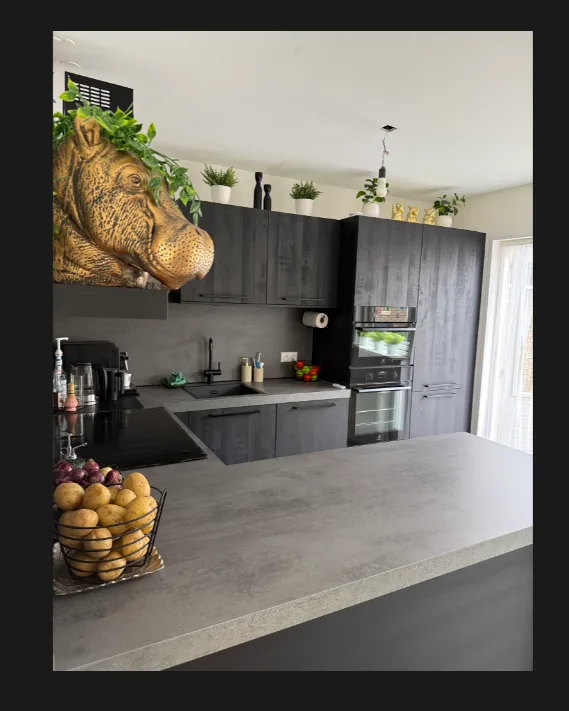
Kitchen design in Amsterdam continues to evolve rapidly, blending classic Dutch practicality with modern European aesthetics and cutting-edge functionality. In 2026, kitchen renovations are no longer just about updating cabinets or replacing countertops—they are about creating a lifestyle space that is sustainable, intelligent, and deeply personalized.
From warm natural materials to hidden smart technology, the latest trends reflect a clear shift: homeowners want kitchens that feel like a natural extension of the home, not a separate utilitarian zone. This guide explores the most important design directions shaping kitchen renovation projects in Amsterdam in 2026.
1. Warm Minimalism Replaces Cold White Kitchens
One of the strongest trends in Amsterdam kitchen renovation projects is the move away from sterile white interiors. Instead, designers are embracing warm minimalism—soft neutrals, earthy tones, and natural wood finishes.
White kitchens, once the dominant style across the Netherlands, are being replaced by oak, walnut, and soft beige palettes. This creates a more inviting atmosphere, especially important in Amsterdam’s compact apartments where kitchens often connect directly to living areas.
Natural textures are key: matte wood cabinetry, stone countertops, and subtle tonal contrasts help kitchens feel calm but not boring. The goal is simplicity with warmth rather than strict minimalism.
This shift is strongly reflected in broader European design trends, where comfort and authenticity are now prioritized over visual perfection.
2. Sustainable Materials and Circular Design
Sustainability is no longer optional in Dutch interior design—it is a core requirement. In 2026, kitchen renovation projects in Amsterdam increasingly prioritize eco-friendly materials and long-term environmental responsibility.
Homeowners are choosing:
- Recycled wood cabinets
- Bamboo-based surfaces
- Reusable composite countertops
- Energy-efficient appliances (A-rated or higher)
Circular design is also gaining traction. Instead of fully replacing kitchens every 10–15 years, more people are opting for modular systems that can be repaired, updated, or partially replaced.
This approach not only reduces environmental impact but also aligns with rising energy costs and stricter EU regulations.
Sustainability in Amsterdam kitchens is now about both ethics and practicality.
3. Smart Kitchens with Hidden Technology
Technology is becoming seamlessly integrated into modern kitchen renovation Amsterdam projects. However, the 2026 trend is not about visible gadgets—it is about invisible intelligence.
Smart kitchens now include:
- Touchless faucets
- Voice-controlled lighting
- Built-in charging drawers
- Smart ovens and induction systems
- Hidden appliance garages
The focus is on clean aesthetics with maximum functionality. Appliances are increasingly concealed behind cabinetry panels to maintain a uniform look.
Amsterdam homeowners especially value space efficiency, so integrated technology helps reduce clutter and improve workflow in smaller kitchens.
4. Natural Stone and Textured Surfaces
Material choice is one of the most noticeable upgrades in 2026 kitchen renovations. In Amsterdam, natural stone is becoming a premium design feature, replacing synthetic quartz in many mid-to-high-end projects.
Popular materials include:
- Marble with bold veining
- Limestone for soft, natural tones
- Granite with matte finishes
- Terrazzo for a modern Dutch touch
Textured surfaces are also trending. Smooth, overly polished finishes are being replaced by tactile materials that feel more organic and lived-in.
Even backsplashes are evolving, with full-height stone installations becoming a signature luxury feature in Amsterdam apartments and townhouses.
5. Scandinavian–Dutch Hybrid Aesthetic
Amsterdam kitchen design continues to be heavily influenced by Scandinavian minimalism, but 2026 introduces a more layered interpretation.
Instead of pure white Scandinavian interiors, designers now combine:
- Warm wood cabinetry
- Soft grey and beige tones
- Matte black or brass accents
- Subtle decorative lighting
This hybrid approach balances simplicity with personality. It reflects a broader European movement toward “warm minimalism,” where spaces are clean but emotionally comfortable.
Open shelving is also becoming more refined—used selectively to display ceramics, glassware, and curated objects rather than clutter.
6. Multi-Functional Kitchen Islands
Kitchen islands are becoming the centerpiece of renovation projects in Amsterdam. However, their role has expanded significantly in 2026.
They are no longer just cooking or prep surfaces. Instead, they function as:
- Dining tables
- Work-from-home desks
- Storage hubs
- Social gathering points
Many modern islands now include hidden storage compartments, charging stations, and even integrated wine or coffee zones.
In compact Amsterdam homes, multifunctionality is essential. Designers focus on making every square meter work harder without sacrificing aesthetics.
7. Open-Plan Living and Seamless Layouts
Open-plan living continues to dominate kitchen renovation trends in Amsterdam. However, 2026 introduces a more refined version of this concept.
Instead of fully open spaces, designers are introducing “soft zoning” techniques:
- Partial walls or glass dividers
- Ceiling-level lighting zones
- Different flooring materials for subtle separation
- Built-in shelving as space dividers
This creates flow while still maintaining functional boundaries between cooking, dining, and living areas.
Amsterdam homeowners especially appreciate this balance, as many properties are narrow and require smart spatial planning.
8. Dark Accents and Statement Hardware
While light and natural tones dominate, contrast is becoming increasingly important. Dark accents are used to add depth and sophistication.
Popular choices include:
- Matte black fixtures
- Brushed brass handles
- Dark walnut cabinets
- Deep green or navy accent islands
These elements are typically used sparingly but effectively, creating visual focal points without overwhelming the space.
Hardware is also becoming more sculptural, with minimalist handles or completely handleless cabinetry systems gaining popularity.
9. Wellness-Oriented Kitchen Design
A major emerging trend in 2026 is the concept of wellness-focused kitchens. In Amsterdam, this translates into designs that support healthier lifestyles and reduce stress in daily routines.
Key features include:
- Improved natural lighting
- Air-purifying ventilation systems
- Ergonomic layouts for better workflow
- Dedicated zones for coffee, hydration, or meal prep
Lighting design is especially important. Layered lighting—ambient, task, and accent—helps create a calm and adaptable environment throughout the day.
The kitchen is increasingly viewed as a wellbeing space rather than just a functional cooking area.
10. Hidden Storage and “Clutter-Free” Design
Storage innovation is one of the most important aspects of kitchen renovation Amsterdam projects in 2026. Homeowners want clean, uncluttered spaces that still offer maximum functionality.
Trending solutions include:
- Pull-out pantry systems
- Hidden appliance garages
- Deep drawer organizers
- Integrated wall storage systems
Minimal visual clutter is essential in modern Dutch interiors. Everything has a place, and everything is designed to disappear when not in use.
This approach supports both aesthetic simplicity and practical living in compact urban homes.
Conclusion
Kitchen renovation in Amsterdam in 2026 is defined by balance: between aesthetics and function, technology and simplicity, sustainability and comfort. The era of purely decorative kitchens is over. Instead, homeowners are investing in spaces that reflect how they actually live.
Warm minimalism, sustainable materials, smart integration, and multifunctional layouts are shaping the future of Dutch kitchen design. Whether in a historic canal house or a modern apartment, the goal remains the same: create a kitchen that feels natural, efficient, and timeless.
For homeowners planning upgrades or full remodels, understanding these trends is essential for making long-term design decisions.
And when planning your next project, it’s worth researching trusted experts in kitchen renovation amsterdam to ensure the result aligns with both modern design standards and practical everyday needs.