
Every business owner loves a bargain. So when three quotes come in for a network cabling project and one is 40% cheaper than the rest, it’s tempting to just sign the contract and move on. But here’s a question worth sitting with before you do: what exactly are you saving on — and what might you be sacrificing to get that price?
The truth is, choosing a cabling contractor is one of those decisions where the cheapest option upfront often becomes the most expensive one over a five-year horizon. Let’s dig into why.
What a Cabling Contractor Actually Does (And Why It’s Not All the Same)
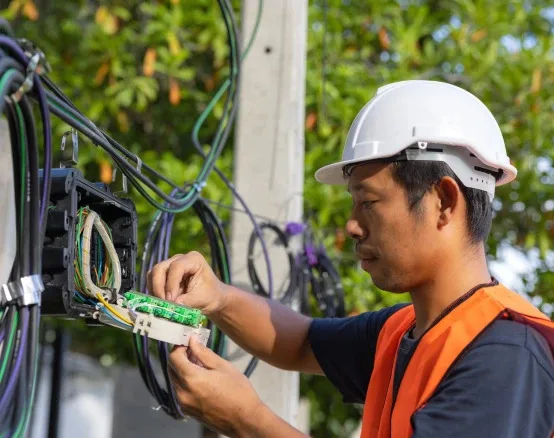
A cabling contractor is responsible for designing, installing, and testing the physical network infrastructure that everything else in your building depends on — phones, Wi-Fi access points, security cameras, POS systems, servers. If that foundation is shoddy, everything built on top of it inherits the problem.
Not all cabling contractors offer the same scope of service, though. Some specialize purely in copper structured cabling (Cat5e, Cat6, Cat6a) for voice and data. Others handle fiber optic runs for higher-bandwidth, longer-distance connections. If you’re searching for fiber optic contractors near me because you need both copper and fiber work done, make sure the company you choose isn’t just comfortable with one and “figuring out” the other on your dime.
The Hidden Cost of a Bad Cabling Install
Here’s where the questionable title earns its keep. A poorly executed cabling install rarely announces itself immediately. The Wi-Fi might work fine on day one. The phones might ring. Everything looks fine — until it doesn’t.
Common signs of a rushed or underqualified job showing up months later:
- Intermittent connectivity issues that IT can’t pin down because cables weren’t properly terminated or tested.
- Failed inspections when local code officials find that fire-rated plenum cable wasn’t used where required.
- Signal degradation from cables run too close to electrical conduit, causing electromagnetic interference.
- No documentation, meaning any future contractor has to spend hours (billed to you) tracing cable runs that were never labeled.
Each of these translates into real dollars — emergency service calls, extended downtime, and sometimes a full re-cabling project that costs more than doing it right the first time would have.
Questions to Ask Before Hiring Any Cabling Contractor
- Are your technicians certified? BICSI certification (RCDD, Installer Level 1/2) is the industry benchmark. A serious cabling contractor invests in ongoing technician training.
- Do you provide test results after installation? You should receive certification reports for every cable run — not just a verbal assurance that “it’s all good.”
- What’s your warranty policy? Reputable contractors back their cabling install work for years, often tied to manufacturer warranties on the cable and hardware used.
- Can you handle both copper and fiber? If your project has mixed needs, confirm the contractor has in-house expertise for both rather than subcontracting the fiber portion to someone else without telling you.
- Do you pull permits and follow local code? This one gets skipped more often than you’d think, especially by contractors trying to keep bids low.
Why “Near Me” Searches Need a Filter
Just like searching “fiber optic contractors near me” pulls up a mix of specialists and generalists, searching for a local cabling contractor will surface companies with wildly different levels of expertise, all competing for the same clicks. Proximity is convenient, but it says nothing about quality.
A smart approach: treat your search results as a starting list, not a final decision. Call at least three companies. Ask the questions above. Request references from projects similar in scale to yours — a contractor who did a great job wiring a small office might struggle with a multi-floor commercial building.
The Real Cost Comparison
Let’s put numbers to this. Say Contractor A quotes $8,000 for a cabling install. Contractor B quotes $11,500. On paper, Contractor A looks like the obvious choice. But if Contractor A skips testing, uses lower-grade cable, and doesn’t pull permits, you might face:
- $2,000+ in emergency troubleshooting calls over the next year
- $3,000-$5,000 to fix code violations if flagged during a future inspection
- Potential full re-installation cost if the cabling degrades or fails prematurely
Suddenly that “cheaper” cabling contractor cost you more than the higher quote would have — plus the downtime and frustration along the way.
Red Flags That Should Make You Walk Away
- No written scope of work or contract
- Reluctance to provide certification numbers or references
- Vague answers about testing procedures
- Pressure to sign immediately without time to compare quotes
- No mention of warranty or post-install support
Any cabling contractor worth hiring will welcome scrutiny, not resist it. Confidence in their own work shows up as transparency, not defensiveness.
Fiber, Copper, or Both — Match the Contractor to the Job
If your project includes long-distance runs, high-bandwidth needs, or future-proofing for growth, fiber may be part of the plan — which is when searching fiber optic contractors near me becomes relevant alongside your general cabling needs. The best outcome is often a single cabling contractor who can competently handle both copper and fiber, so you’re not coordinating between two separate crews and hoping they don’t contradict each other on cable pathways or termination standards.
Final Thoughts
So, back to the opening question: is your cheap cabling contractor secretly costing you a fortune? For a lot of businesses, the honest answer is yes — just not in a way that shows up on the invoice. It shows up in downtime, emergency repairs, failed inspections, and the eventual cost of doing the job over.
Before you hire based on price alone, slow down. Verify certifications. Ask for documentation. Compare not just the bottom-line number but what’s actually included in that number. A properly vetted cabling contractor — whether for a straightforward copper cabling install or a more complex job that also requires searching fiber optic contractors near me — will save you money in the long run precisely because they didn’t cut corners in the short run.