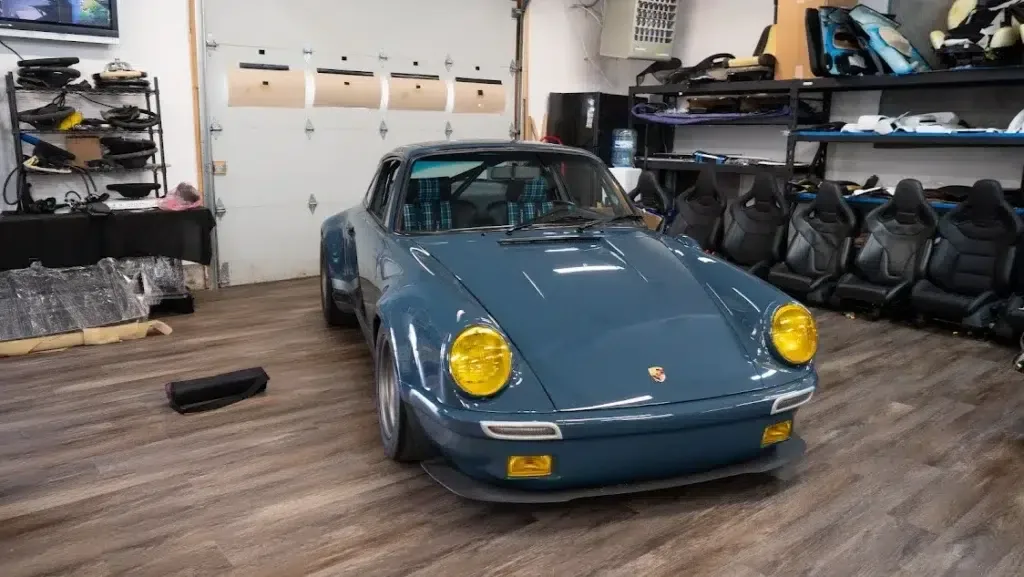
The Porsche 911 has earned its place as one of the most recognizable sports cars ever built. From the early air cooled models to the iconic G Series and later classics, every generation represents a unique chapter in automotive history. For enthusiasts, owning a vintage Porsche is about more than transportation. It is about preserving a piece of engineering excellence while enjoying an authentic driving experience.
Today, owners seeking vintage 911 restoration in Everett expect more than traditional upholstery repairs or cosmetic improvements. They want restorations that respect the vehicle's heritage while taking advantage of modern technology to improve precision, consistency, and long-term durability. Fortunately, advancements such as 3D scanning, CAD design, laser cutting, and digital fabrication have transformed the way specialists approach vintage Porsche 911 restoration without compromising originality.
Everett has become an excellent location for enthusiasts who value craftsmanship. With nearby communities like Mukilteo, Lynnwood, Marysville, Snohomish, and the greater Seattle area home to many classic car collectors, the demand for expert classic Porsche restoration continues to grow.
The evolution of Porsche restoration
Years ago, restoring a Porsche 911 interior depended almost entirely on manual measurements, hand drawn templates, and extensive trial and error. Skilled craftsmen produced exceptional results, but achieving perfect symmetry often required additional adjustments.
Restoring a vintage Porsche 911 requires more than traditional upholstery skills. Technologies like 3D scanning and CAD modeling allow specialists to accurately document the distinctive contours of early 911 dashboards, sport seats, and door panels before any original materials are removed, helping preserve the cabin's factory proportions throughout the restoration.
For owners considering vintage 911 restoration in Everett, this means every interior component can be recreated with exceptional accuracy while respecting factory specifications.
Why does technology matter in Vintage Porsche 911 restoration?
Classic Porsche interiors are built with intricate details. Every stitch, seam, contour, and trim piece contributes to the driving experience. Even minor inconsistencies become noticeable inside a collector vehicle.
Technology has changed the restoration process by reducing guesswork and allowing specialists to document every detail before work begins.
Some of the most significant advancements include:
- High resolution 3D scanning
- Computer Aided Design (CAD)
- Laser cut upholstery patterns
- Precision digital measurements
- Modern material matching
- Advanced fabrication techniques
Rather than replacing craftsmanship, these tools help experienced professionals deliver more consistent results.
A 3D scanning can create a digital blueprint
One of the biggest innovations in vintage Porsche 911 restoration is 3D scanning.
Instead of relying only on tape measures and physical templates, restoration specialists capture thousands of digital reference points throughout the interior. Every curve, mounting point, panel shape, and contour becomes part of a detailed digital model.
This process offers several advantages.
Improved accuracy
Every interior component is measured with remarkable precision, helping eliminate alignment issues during installation.
Better preservation
Many vintage Porsche parts are difficult or impossible to replace. Digital documentation preserves the exact dimensions before restoration begins.
Easier customization
Owners who want subtle upgrades while maintaining an OEM appearance can preview modifications without affecting the vehicle's original structure.
For enthusiasts investing in vintage 911 restoration in Everett, this technology helps ensure that restored interiors retain the unmistakable feel of a classic Porsche.
CAD design brings restoration plans to life
Computer-Aided Design (CAD) has become an essential part of restoring vintage Porsche 911 interiors, especially when original components are worn or no longer available. By converting 3D scan data into detailed digital patterns, specialists can recreate seat upholstery, dashboard coverings, door panels, and carpeting that closely match the dimensions and layout of factory interiors. This level of planning is particularly valuable for early air-cooled 911 models, where even slight variations in panel alignment or stitching can affect the cabin's authentic appearance.
CAD software also allows restoration specialists to verify every component before fabrication, helping ensure that replacement pieces integrate seamlessly with the vehicle's original interior. It can be used to:
- Recreate factory-style seat patterns
- Verify dashboard and door panel alignment
- Maintain original seam placement
- Match factory proportions
- Produce repeatable templates for future restorations
Laser cutting improves precision without sacrificing craftsmanship
Many interior components in vintage Porsche 911 models feature precise edges and tightly fitted upholstery. They are difficult to reproduce consistently using manual templates alone. Laser-guided cutting allows specialists to create leather, carpeting, and trim materials with exceptional accuracy while preserving the original dimensions captured during digital scanning.
This technology is particularly useful when reproducing seat inserts, carpet sections, door panel coverings, and rear parcel shelf materials, where precise fitment contributes to the clean, driver-focused design that defines classic Porsche interiors.
Although laser cutting improves consistency, the final quality still depends on experienced upholsterers who hand-stitch panels, wrap complex dashboard contours, and shape leather around seat bolsters to replicate the craftsmanship found in original factory interiors.
Material matching is more accurate than ever
Finding materials that closely resemble the originals has long been one of the biggest challenges in Porsche 911 restoration, particularly for early models where factory upholstery has faded or become unavailable. Modern restoration suppliers now offer leather, vinyl, carpeting, and textiles that closely replicate the grain, texture, thickness, and color combinations used in period-correct Porsche interiors.
Specialists also compare details such as stitch spacing, grain direction, and material thickness to ensure replacement components blend naturally with existing trim. This attention to detail helps preserve the cohesive appearance collectors expect while avoiding the mismatched look often associated with generic aftermarket interiors.
Digital pattern storage protects future restorations
Digital documentation provides benefits that extend well beyond a single restoration project. Once interior components have been scanned and converted into digital patterns, they can be archived for future repairs, maintenance, or partial restorations without repeating the entire measuring process.
This is especially valuable for vintage Porsche 911 owners because many original interior parts are becoming increasingly difficult to source. If a dashboard covering, seat panel, or carpet section requires replacement years later, previously stored digital templates allow specialists to reproduce the component with far greater consistency than relying solely on manual measurements.
Technology helps preserve originality
One concern among Porsche enthusiasts is whether modern restoration techniques might compromise originality. In practice, digital technologies often help preserve it more effectively. By documenting factory dimensions before disassembly, specialists can recreate seat contours, dashboard profiles, door panels, and stitching layouts that remain faithful to the original design.
Rather than introducing unnecessary changes, technologies such as 3D scanning and CAD modeling reduce the risk of dimensional errors that can occur when replacement components are created entirely by hand. This approach is especially valuable for owners pursuing vintage 911 restoration in Everett, where preserving collector value often remains a top priority.
Why does experience still matter more than equipment?
Modern technology is impressive, but it cannot replace decades of restoration experience.
A scanner cannot determine how leather should stretch around a seat bolster.
Software cannot replicate the judgment needed to match aging materials.
Laser cutting cannot recreate the subtle finishing touches that experienced craftsmen develop through years of working with classic Porsche interiors.
The most successful classic Porsche restoration projects combine advanced equipment with skilled professionals who understand Porsche engineering, upholstery techniques, and collector expectations.
Digital tools can recreate factory dimensions with remarkable accuracy. However, experienced Porsche restoration craftsmen understand how leather should be stretched over a 911's seat bolsters, how original stitching patterns varied across model years, and how to achieve the tight fit and finish expected in a collector-grade interior.
Advanced fabrication delivers factory level precision
As original Porsche interior components become harder to find, custom fabrication has become an increasingly important part of vintage 911 restoration. Using digital templates and precision manufacturing equipment, specialists can recreate discontinued seat panels, dashboard coverings, door inserts, carpeting, and trim pieces that closely resemble original factory components.
This approach allows restorers to maintain the cabin's authentic appearance without relying on poorly fitting aftermarket replacements that may differ in shape, material quality, or finish. For owners of early air-cooled Porsche 911 models, accurate fabrication is often the only practical way to preserve the original interior design when genuine replacement parts are no longer available.
OEM restoration or restomod? Technology supports both paths
Every Porsche owner has a different vision for their car.
Some enthusiasts want every stitch, material, and color to mirror the factory specifications from the year their vehicle left the assembly line. Others prefer subtle upgrades that improve comfort while maintaining the timeless appearance of the original design.
Modern technology makes both approaches possible.
OEM style restoration
For collectors who value originality, digital tools help preserve:
- Factory stitching patterns
- Original seat contours
- Correct panel alignment
- Period appropriate materials
- Authentic interior proportions
These details are especially important for owners planning to participate in concours events or preserve long term collector value.
Thoughtful restomod interiors
Not every restoration has to remain completely factory correct.
Many owners choose discreet improvements such as:
- Enhanced seat support
- Premium leather with original styling
- Alcantara accents
- Hidden sound insulation
- Updated foam density for improved comfort
Because these modifications are planned digitally before fabrication begins, restorers can maintain the unmistakable character of the Porsche 911 while introducing subtle refinements that enhance the driving experience.
Whether the goal is originality or tasteful modernization, classic Porsche restoration benefits from technology that supports precision without sacrificing craftsmanship.
Everett's climate makes preventive restoration even more important
Living in the Pacific Northwest offers spectacular driving roads, but the local climate presents unique challenges for vintage sports cars.
Everett experiences frequent rainfall, seasonal humidity, and fluctuating temperatures throughout the year. Even when a Porsche spends most of its time in the garage, moisture can gradually affect leather, adhesives, carpeting, and interior trim.
Owners often notice issues such as:
- Leather shrinking or drying unevenly
- Cracked dashboards caused by age and temperature changes
- Carpet retaining moisture
- Interior odors developing after long storage periods
- Loose trim caused by aging adhesives
These problems rarely appear overnight. Instead, they develop gradually over many years.
Professional vintage 911 restoration in Everett focuses not only on repairing visible wear but also on identifying hidden issues before they become more expensive to correct.
When restoration includes modern scanning, precision fabrication, and premium materials, owners gain an interior that is better prepared to handle the Pacific Northwest climate while remaining faithful to the Porsche's original character.
Everett's growing community of Porsche enthusiasts
Everett has quietly become an attractive location for classic vehicle owners.
Its proximity to Seattle, Bellevue, Redmond, and the scenic highways of the North Cascades makes it an ideal starting point for weekend drives. Local car gatherings, enthusiast clubs, and regional automotive events continue to attract owners who appreciate well maintained vintage vehicles.
Among Porsche enthusiasts, interior quality has become just as important as mechanical performance.
Collectors understand that a beautifully restored cabin reflects the same attention to detail found under the hood. Premium upholstery, factory correct finishes, and expertly crafted trim all contribute to the vehicle's overall presentation.
As interest in air cooled Porsche models continues to grow, professionally completed vintage Porsche 911 restoration projects have become increasingly desirable among buyers who appreciate authenticity and exceptional workmanship.
Protecting long term value through quality restoration
For many owners, a vintage Porsche represents both a passion and a significant investment.
While mechanical reliability remains essential, the condition of the interior often influences how buyers perceive the overall quality of the vehicle.
A cracked dashboard, worn seat bolsters, faded carpeting, or poorly matched replacement materials can diminish an otherwise exceptional car.
Professional restoration helps protect long term value by focusing on details that casual repairs often overlook.
These include:
- Accurate panel fitment
- Factory inspired stitching
- Proper leather selection
- Consistent grain matching
- Precision upholstery installation
- High quality finishing techniques
When technology and craftsmanship work together, the finished interior not only looks impressive but also reflects the engineering standards that made the Porsche 911 an automotive icon.
For collectors considering vintage 911 restoration in Everett, investing in quality workmanship today can help preserve both the driving experience and the vehicle's desirability for years to come.
Where timeless craftsmanship meets modern innovation?
The best restoration projects are never about replacing the past. They are about honoring it.
Modern tools have given restoration specialists new ways to achieve remarkable precision, but the heart of every successful project still lies in experienced craftsmanship, careful material selection, and a deep understanding of Porsche heritage.
Whether restoring an early air cooled model or refreshing a later classic, combining advanced technology with traditional upholstery skills allows enthusiasts throughout Everett and neighboring communities to enjoy interiors that feel authentic, perform beautifully, and stand the test of time.
Preserve the character of your classic Porsche
Every vintage Porsche tells a story through its design, craftsmanship, and years on the road. When the interior begins to show signs of age, choosing an experienced restoration specialist who combines modern technology with traditional craftsmanship can make all the difference.
If you are planning a vintage 911 restoration in Everett, take the time to work with professionals who understand Porsche heritage, use precision restoration methods, and prioritize long term quality. A carefully restored interior not only enhances every drive, but also helps preserve the value and legacy of your classic Porsche for future generations.