
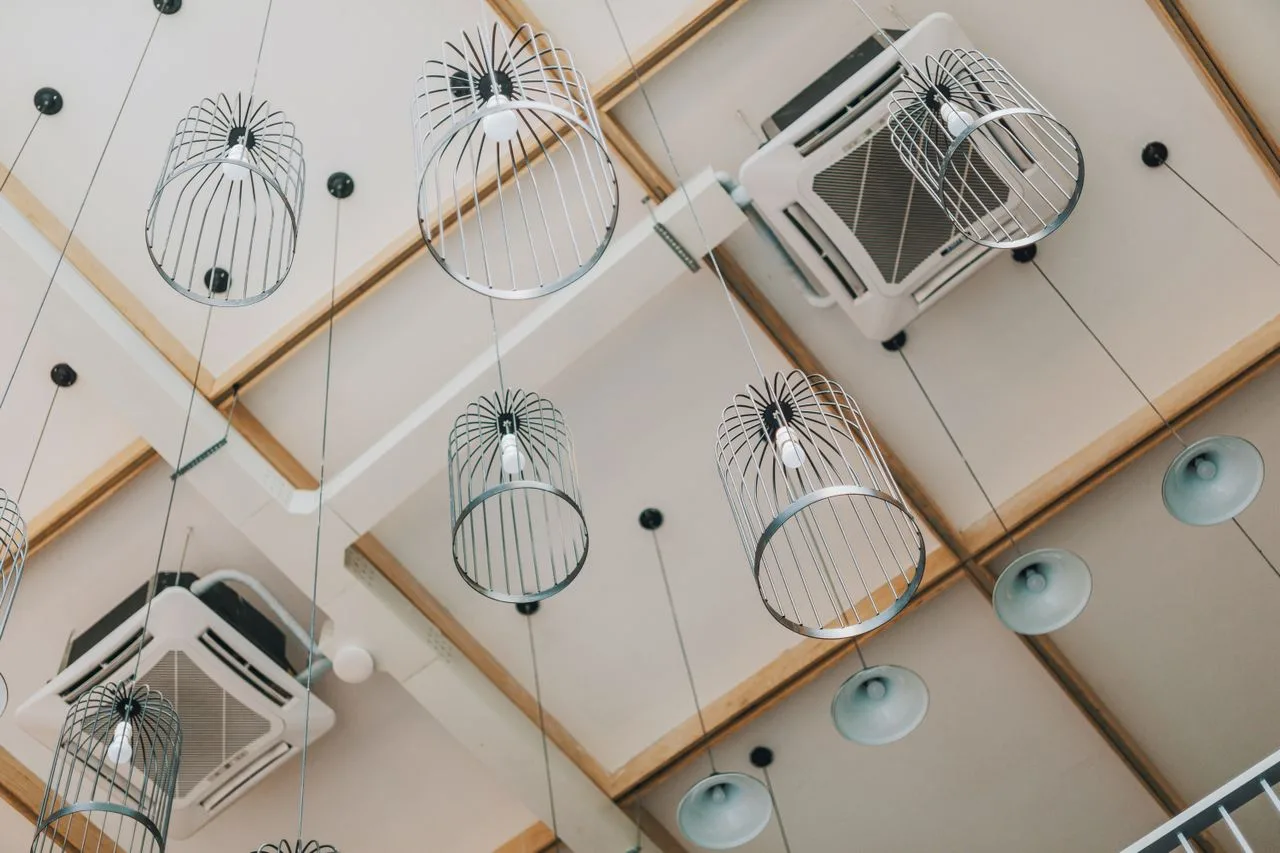
Choosing an air conditioner is not only about selecting the right cooling capacity. The layout of the room, available installation space, airflow requirements and interior design can all influence which type of system makes sense. For spaces with a planned false ceiling, a 1 way cassette AC is one option worth considering. However, like any air-conditioning solution, its suitability depends on where and how it will be installed.
What Is a 1 Way Cassette AC?
A 1 way cassette ac is a ceiling-mounted indoor unit designed to deliver air primarily in one direction. Unlike a conventional wall-mounted split AC, it is installed within the ceiling, helping preserve wall space and creating a more integrated appearance. The airflow direction and installation format can make it suitable for specific room layouts where ceiling-based cooling is preferred.
When Does a Ceiling AC Make Sense?
A ceiling AC can be considered when the design and layout of a space make a wall-mounted unit less practical. For example, some interiors may have limited usable wall space because of windows, furniture, display areas or architectural features. A ceiling-mounted unit can also suit spaces where the cooling system is expected to blend more closely with the overall interior.
Depending on cooling requirements and installation conditions, cassette AC systems may be used in offices, meeting rooms, retail outlets, hospitality spaces and selected residential interiors. The key is to evaluate the room rather than choosing an AC type based on appearance alone.
1 Way Cassette AC vs Other AC Types
Compared With a Wall-Mounted Split AC
The most obvious difference is the installation location. A wall-mounted split AC requires dedicated wall space, whereas a 1 way cassette AC is integrated into the ceiling. This can provide greater flexibility for furniture placement and interior planning.
However, ceiling installation also requires adequate space above the false ceiling and proper planning for drainage, piping and servicing. A wall-mounted split AC may therefore be simpler for spaces where a false ceiling is unavailable or extensive installation work is not practical.
Compared With a 4 Way Cassette AC
The primary difference lies in airflow distribution. A 1 way cassette AC is designed around a directional airflow pattern, while a 4 way cassette AC distributes air across multiple directions. The better choice depends on the room geometry, the placement of occupants and the areas that require cooling.
A directional ceiling AC may be useful in layouts where airflow needs to be focused across a particular part of the room. Larger or more centrally arranged spaces may require a different airflow configuration. Assessing the layout before finalising the system can help avoid comfort issues later.
5 Things to Consider Before Choosing a 1 Way Cassette AC
1. Room Size and Cooling Requirement
Start with the actual cooling requirement of the space. Room dimensions are important, but so are factors such as occupancy, sunlight exposure, insulation and heat generated by lighting or equipment. An appropriate capacity should be determined based on the overall heat load rather than room size alone.
2. Available Ceiling Space
A cassette unit needs sufficient space above the false ceiling for the indoor unit and associated installation components. Ceiling design should therefore be reviewed before finalising the AC system, especially during renovation or new construction.
3. Airflow Direction and Room Layout
Consider where people sit, work or spend most of their time. Furniture placement, partitions and other obstructions can influence how air moves through a room. A directional airflow design should complement the layout rather than direct cold air continuously at occupants.
4. Installation Planning and Drainage
Ceiling-mounted systems require coordinated planning for refrigerant piping, electrical connections and condensate drainage. Addressing these requirements during the design or renovation stage can make installation more organised and reduce the need for later modifications.
5. Maintenance and Service Accessibility
A concealed installation should not mean inaccessible servicing. Filters and service points need to remain reasonably accessible for regular cleaning, inspection and maintenance. This should be considered when designing the false ceiling around the indoor unit.
Making the Right Choice for Your Space
A 1 way cassette AC can be a practical cooling solution for spaces where ceiling integration, preserved wall space and directional airflow are important considerations. At the same time, it is not automatically the right choice for every room. The available ceiling space, room layout, cooling load and installation requirements should all be assessed before making a decision.
Ultimately, the best air-conditioning system is one that matches the requirements of the space rather than simply following a particular design trend. By considering the layout and installation conditions early, it becomes easier to choose a ceiling AC solution that supports both indoor comfort and the overall design