Proper installation is a critical factor in ensuring the long-term performance, hygiene, and durability of ablution facilities in mosques and public spaces. Even the most advanced materials and designs can underperform if not installed correctly. As demand for modern mosque infrastructure grows, contractors and facility planners are placing greater emphasis on precise installation methods that support efficiency, safety, and user comfort.
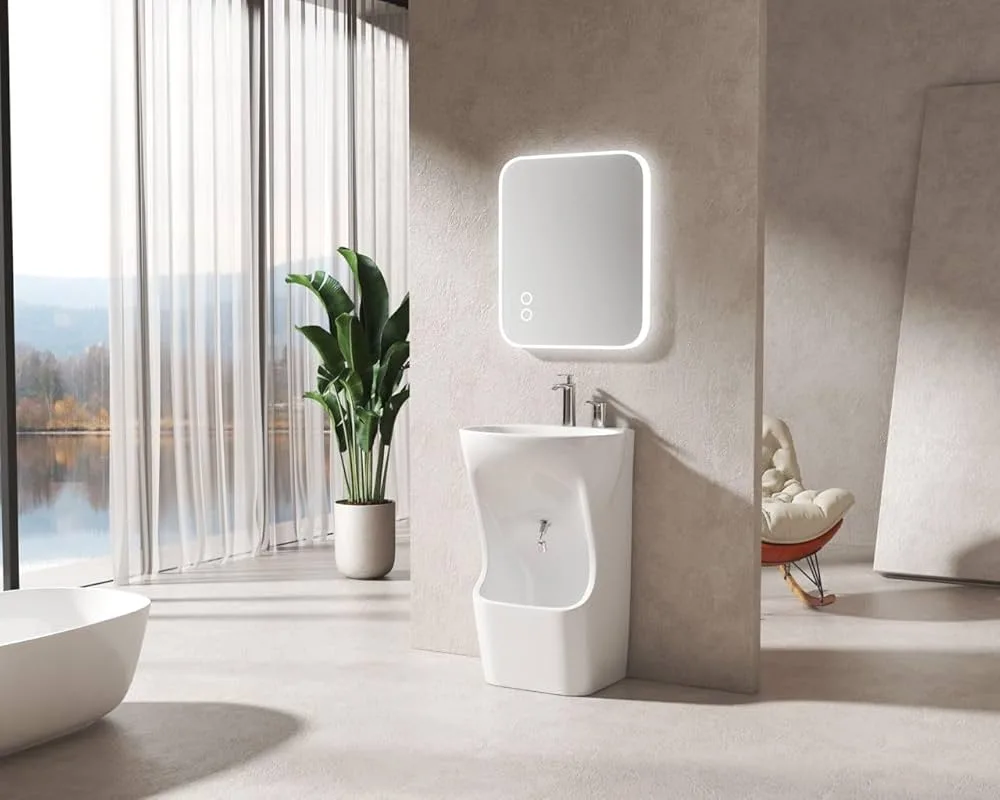
One widely adopted solution in contemporary projects is the Wudu Sink from KingKonree Solid Surface, which is designed for durability, hygiene, and ease of integration into both new and renovated ablution areas.
Importance of Proper Installation in Ablution Areas
Ablution areas experience continuous water exposure and high user traffic, making installation quality a key determinant of long-term success. Poor installation can lead to water leakage, drainage issues, surface instability, and hygiene problems that are costly to repair.
Correct installation ensures that the system functions efficiently from the beginning and remains reliable over time.
Key objectives of proper installation include:
- Ensuring stable and secure fixture mounting
- Preventing water leakage and seepage
- Achieving optimal drainage performance
- Maintaining hygienic and easy-to-clean surfaces
These factors are essential for maintaining both functionality and safety in high-use environments.
Site Preparation and Layout Planning
Before installation begins, proper site preparation is essential. The layout of the ablution area must be carefully planned to ensure smooth user flow and efficient use of space.
Contractors typically assess plumbing access points, floor gradients, and available space to determine the optimal positioning of sink units.
Important site preparation steps include:
- Verifying floor level and slope for proper drainage
- Marking accurate installation points for each unit
- Ensuring adequate space between washing stations
- Confirming access to water supply and drainage lines
A well-prepared site reduces installation errors and improves long-term system performance.
Plumbing Integration and Water Flow Setup
Efficient plumbing integration is essential for ensuring consistent water supply and proper drainage. Ablution systems require balanced water pressure and well-structured drainage channels to prevent overflow or stagnation.
During installation, attention must be given to pipe alignment, connection sealing, and pressure regulation to ensure smooth operation.
Key plumbing best practices include:
- Using corrosion-resistant piping materials
- Ensuring airtight sealing of all connections
- Installing pressure regulators for consistent flow
- Aligning drainage outlets with floor channels
Proper plumbing integration directly impacts hygiene, water efficiency, and user experience.
Mounting and Structural Stability
Solid surface wudu sinks require secure mounting to ensure long-term stability, especially in high-traffic public environments. Improper mounting can lead to movement, cracking, or uneven alignment over time.
Installers must ensure that the base structure is strong enough to support continuous use and exposure to moisture.
Structural installation considerations include:
- Using reinforced wall or floor supports
- Ensuring level alignment during installation
- Applying appropriate adhesives or fastening systems
- Verifying load-bearing capacity before final fixing
These steps help maintain durability and structural integrity over time.
Sealing and Waterproofing Techniques
Waterproofing is one of the most important aspects of ablution sink installation. Since these systems are constantly exposed to water, proper sealing prevents leakage, mold growth, and structural damage.
High-quality sealants should be used at all joints and connection points to ensure complete water resistance.
Best practices for sealing include:
- Applying waterproof sealant at all joints and edges
- Ensuring smooth, gap-free surface connections
- Conducting leak tests after installation
- Reapplying sealant during routine maintenance if needed
Effective waterproofing ensures long-term hygiene and reduces maintenance costs.
Testing and Quality Assurance
After installation, thorough testing is necessary to confirm that the system is functioning correctly. This includes checking water flow, drainage efficiency, and structural stability.
Testing helps identify any installation errors before the facility becomes operational.
Quality assurance checks include:
- Verifying consistent water pressure across all units
- Ensuring smooth and fast drainage
- Checking for leaks or loose fittings
- Testing user flow and accessibility
These checks ensure that the system is ready for continuous public use.
Maintenance Considerations After Installation
Proper installation should be complemented by a maintenance plan to ensure long-term performance. Even high-quality systems require regular inspection and cleaning to maintain hygiene standards.
Maintenance-friendly installation design helps facility managers perform routine upkeep more efficiently.
Recommended maintenance practices include:
- Regular inspection of plumbing connections
- Routine cleaning of drainage channels
- Monitoring sealant integrity over time
- Checking for wear or surface damage
This ensures the system remains functional and hygienic for years.
Global Demand and Export Relevance
As mosque construction and public infrastructure development expand globally, the demand for professionally installed ablution systems continues to grow. Regions such as the Middle East, Southeast Asia, and Africa are investing heavily in modern religious facilities that require efficient and durable designs.
For manufacturers and exporters, installation guidelines and ease of setup are important selling points. Products like solid surface wudu sinks are increasingly preferred due to their adaptability and installation efficiency.
Effective market strategies include:
- SEO-focused content targeting mosque construction and installation services
- Digital marketing aimed at contractors and infrastructure developers
- Participation in international building and religious architecture exhibitions
- Partnerships with global distributors and construction firms
Highlighting installation efficiency can significantly improve product appeal in competitive international markets.
Conclusion
Proper installation is essential for ensuring the performance, durability, and hygiene of ablution facilities in modern mosques and public spaces. From site preparation to waterproofing and testing, each step plays a crucial role in long-term system success.
As global demand for advanced mosque infrastructure continues to grow, professionally installed systems like the Wudu Sink from KingKonree Solid Surface offer reliable, efficient, and durable solutions. Manufacturers and exporters who emphasize installation best practices can strengthen their position in the expanding global market.