
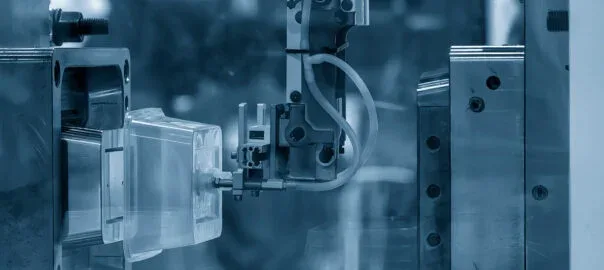
Plastic injection molding is widely used to manufacture durable, accurate, and consistent plastic components for industries such as automotive, electronics, medical equipment, consumer products, and industrial manufacturing. However, defects can occur during production due to incorrect processing parameters, unsuitable materials, poor mold design, or inadequate equipment maintenance.
Understanding common injection molding defects helps manufacturers improve product quality, reduce material waste, minimize production delays, and maintain consistent results. At Om Raj Tech, proper material selection, mold design, and process optimization are important considerations for achieving reliable plastic manufacturing outcomes.
This guide explains common injection molding defects, their causes, and practical ways to prevent them.
What Are Injection Molding Defects?
Injection molding defects are imperfections or irregularities that develop during the manufacturing of plastic components. They may affect the appearance, dimensions, strength, or functionality of the finished product.
Some defects are primarily cosmetic, while others can compromise the performance and reliability of a component. Identifying the underlying cause is essential for selecting the right corrective action.
Businesses working with experienced injection molding manufacturers can benefit from better process control, appropriate tooling, and careful inspection throughout production.
10 Common Injection Molding Defects and How to Prevent Them
1. Sink Marks
Sink marks are small depressions that appear on the surface of a molded plastic part. They commonly develop near thick sections, ribs, bosses, and other areas where the material takes longer to cool.
Common causes:
- Insufficient cooling time.
- Inadequate holding pressure or holding time.
- Uneven wall thickness.
- Excessive material shrinkage during cooling.
How to prevent sink marks:
Maintain uniform wall thickness wherever possible and optimize cooling time according to the material and component geometry. Adjust holding pressure and holding time to compensate for shrinkage before the material solidifies. Proper injection molding design can also help minimize thick sections and improve dimensional consistency.
2. Warping
Warping occurs when a molded plastic component bends, twists, or changes shape after cooling. It usually results from uneven shrinkage across different sections of the part.
Common causes:
- Uneven cooling throughout the mold.
- Inconsistent wall thickness.
- Incorrect processing temperatures.
- Uneven material flow or residual stress.
How to prevent warping:
Use a balanced cooling system and maintain consistent wall thickness wherever practical. Select materials suitable for the application's dimensional requirements and optimize mold temperature, cooling time, and injection parameters. A well-planned mold design helps reduce internal stresses and maintain the intended component shape.
3. Flash
Flash is excess plastic that escapes from the mold cavity and forms thin, unwanted edges along the finished component. It often appears near parting lines, ejector pins, or other mold interfaces.
Common causes:
- Insufficient mold clamping force.
- Excessive injection pressure.
- Worn or damaged mold surfaces.
- Poor mold alignment or maintenance.
How to prevent flash:
Inspect the mold regularly for wear, damage, and alignment issues. Maintain appropriate clamping force and optimize injection pressure to prevent molten plastic from escaping through gaps. Routine tooling maintenance can reduce defects, rework, and material waste.
4. Short Shots
A short shot occurs when molten plastic fails to fill the entire mold cavity, leaving an incomplete or partially formed component.
Common causes:
- Insufficient injection pressure or material volume.
- Restricted gates or runners.
- Low melt temperature or poor material flow.
- Blocked vents or trapped air.
How to prevent short shots:
Check the shot size, injection pressure, material temperature, and injection speed. Ensure that the gates and runners allow adequate material flow and that air can escape through properly designed vents. Choosing a suitable resin with appropriate flow characteristics is also important for filling complex mold cavities.
5. Burn Marks
Burn marks appear as dark brown, black, or discolored areas on the surface of a molded component. They can occur when trapped air or plastic material becomes excessively hot during injection.
Common causes:
- Trapped air or gases inside the mold.
- Excessive injection speed.
- High melt temperature.
- Inadequate mold venting.
How to prevent burn marks:
Improve mold venting to allow trapped gases to escape. Optimize injection speed and melt temperature according to the material's processing requirements. Proper machine settings and regular inspection of vents can help prevent overheating and maintain a consistent surface finish.
6. Weld Lines
Weld lines, sometimes called knit lines, form when two separate streams of molten plastic meet but do not bond properly. They may appear near holes, inserts, openings, or other features that divide the material flow.
Common causes:
- Low melt or mold temperature.
- Insufficient injection pressure.
- Poor gate positioning.
- Inconsistent material flow.
How to prevent weld lines:
Review gate locations and mold geometry to improve the way plastic flows through the cavity. Optimize injection pressure and temperature to help the material streams bond effectively. Material selection and appropriate processing conditions are especially important when manufacturing components that require good mechanical strength.
7. Flow Lines
Flow lines are visible streaks, bands, or patterns that appear on the surface of molded plastic parts. They can develop when molten plastic moves and cools at different rates inside the mold.
Common causes:
- Inconsistent injection speed.
- Uneven wall thickness.
- Incorrect melt or mold temperature.
- Poor gate placement.
How to prevent flow lines:
Maintain consistent wall thickness and optimize injection speed, pressure, and temperature. Review gate placement and mold geometry to support smoother material flow. These improvements can help produce a more uniform surface finish, particularly for components with visible exterior surfaces.
8. Vacuum Voids
Vacuum voids are empty spaces or cavities that form inside a molded plastic component. They are often associated with material shrinkage in thicker sections or insufficient pressure during cooling.
Common causes:
- Excessive shrinkage during solidification.
- Inadequate holding pressure.
- Uneven cooling.
- Trapped gases or moisture in the material.
How to prevent vacuum voids:
Optimize holding pressure and cooling conditions to reduce shrinkage. Review wall thickness and mold design to identify areas where voids may develop. Ensure that materials are stored and dried according to their processing requirements, and verify that mold venting is adequate.
9. Discoloration
Discoloration occurs when a molded component has unexpected color variations, streaks, or dark patches. Although it may not always affect structural performance, it can reduce product quality and visual consistency.
Common causes:
- Contamination from previous production runs.
- Improperly mixed color concentrates.
- Excessive processing temperatures.
- Poor material handling or storage.
How to prevent discoloration:
Clean the machine, hopper, nozzle, and mold when changing materials or colors. Use compatible color concentrates and ensure they are mixed properly. Follow the recommended processing temperature for the selected resin to reduce the risk of thermal degradation.
10. Surface Delamination
Surface delamination occurs when thin layers of plastic separate or peel away from the surface of a molded component. This defect can affect both the appearance and performance of the finished product.
Common causes:
- Contamination of plastic resin.
- Incompatible materials.
- Excessive moisture in the material.
- Improper processing conditions.
How to prevent delamination:
Keep raw materials clean and store them under suitable conditions. Dry moisture-sensitive resins according to the manufacturer's recommendations and verify the compatibility of blended materials. Review processing conditions and mold-release agent usage to help maintain proper bonding between material layers.
How to Reduce Injection Molding Defects
Preventing defects requires a systematic approach that addresses material quality, mold design, machine settings, and production controls.
Focus on Material Selection
Different plastics have different shrinkage rates, temperature requirements, flow characteristics, and moisture sensitivities. Select a material that meets the component's mechanical, thermal, chemical, and dimensional requirements.
Improve Mold Design
Good mold design helps distribute material evenly, maintain consistent wall thickness, and support effective cooling. Appropriate gate placement, runner dimensions, venting, and cooling channels can reduce several common defects.
For projects requiring different molding techniques, manufacturers may also evaluate insert molding and overmolding to combine plastic with inserts or other materials where the application permits.
Optimize Processing Parameters
Monitor injection pressure, injection speed, melt temperature, mold temperature, holding pressure, and cooling time. Changes should be made systematically, with trial runs and inspection to verify that the adjustments improve part quality.
Maintain Equipment and Tooling
Regularly inspect molds, machine components, nozzles, vents, and clamping systems. Preventive maintenance helps identify wear and alignment problems before they result in recurring production defects.
Implement Quality Inspection
Inspect molded components for visual imperfections, dimensional deviations, and functional problems. Establish clear acceptance criteria and maintain production records to identify recurring defects and support continuous improvement.
Choosing the Right Plastic Manufacturing Process
Injection molding is suitable for producing repeatable plastic components, particularly when production volumes justify the initial tooling investment. However, the best manufacturing process depends on the component's geometry, material, production volume, and performance requirements.
Depending on the project, alternatives or complementary processes may include thermoforming and vacuum forming. For specific tooling requirements, transfer tooling may also be relevant, depending on the application and manufacturing process.
For components that require metal inserts or combined material features, plastic insert molding can be considered as part of the manufacturing plan.
Selecting the right process early can help reduce unnecessary tooling changes, production costs, and quality issues.
Frequently Asked Questions
What is the most common injection molding defect?
Common defects include sink marks, warping, flash, short shots, and weld lines. Their frequency depends on the material, mold design, machine settings, and production conditions.
Can injection molding defects be completely eliminated?
Not every defect can be eliminated under all manufacturing conditions, but many can be prevented or significantly reduced through appropriate material selection, optimized processing parameters, effective mold design, and regular quality inspections.
How does mold design affect injection molding quality?
Mold design influences material flow, air evacuation, cooling, shrinkage, and dimensional stability. Proper gate placement, venting, runner design, and cooling channels help reduce defects and improve consistency.
How can manufacturers reduce injection molding costs caused by defects?
Manufacturers can reduce costs by identifying the root cause of defects, maintaining equipment, optimizing process settings, inspecting raw materials, and improving mold design. Preventing defects is generally more efficient than relying on rework or scrapping finished parts.
Conclusion
Injection molding defects can affect product appearance, dimensional accuracy, structural performance, and manufacturing costs. Understanding their causes makes it easier to identify practical solutions and maintain consistent production quality.
From preventing sink marks and warping to improving material flow and eliminating flash, successful injection molding depends on careful process control, suitable materials, effective tooling, and regular inspection.
Om Raj Tech supports plastic manufacturing needs through its range of manufacturing and tooling services. By considering component requirements, material characteristics, and manufacturing methods from the beginning, businesses can work toward more reliable plastic parts and efficient production.
If you are planning a new plastic component or looking to improve an existing manufacturing process, explore Om Raj Tech's plastic injection molding services to learn more about potential solutions for your project.