
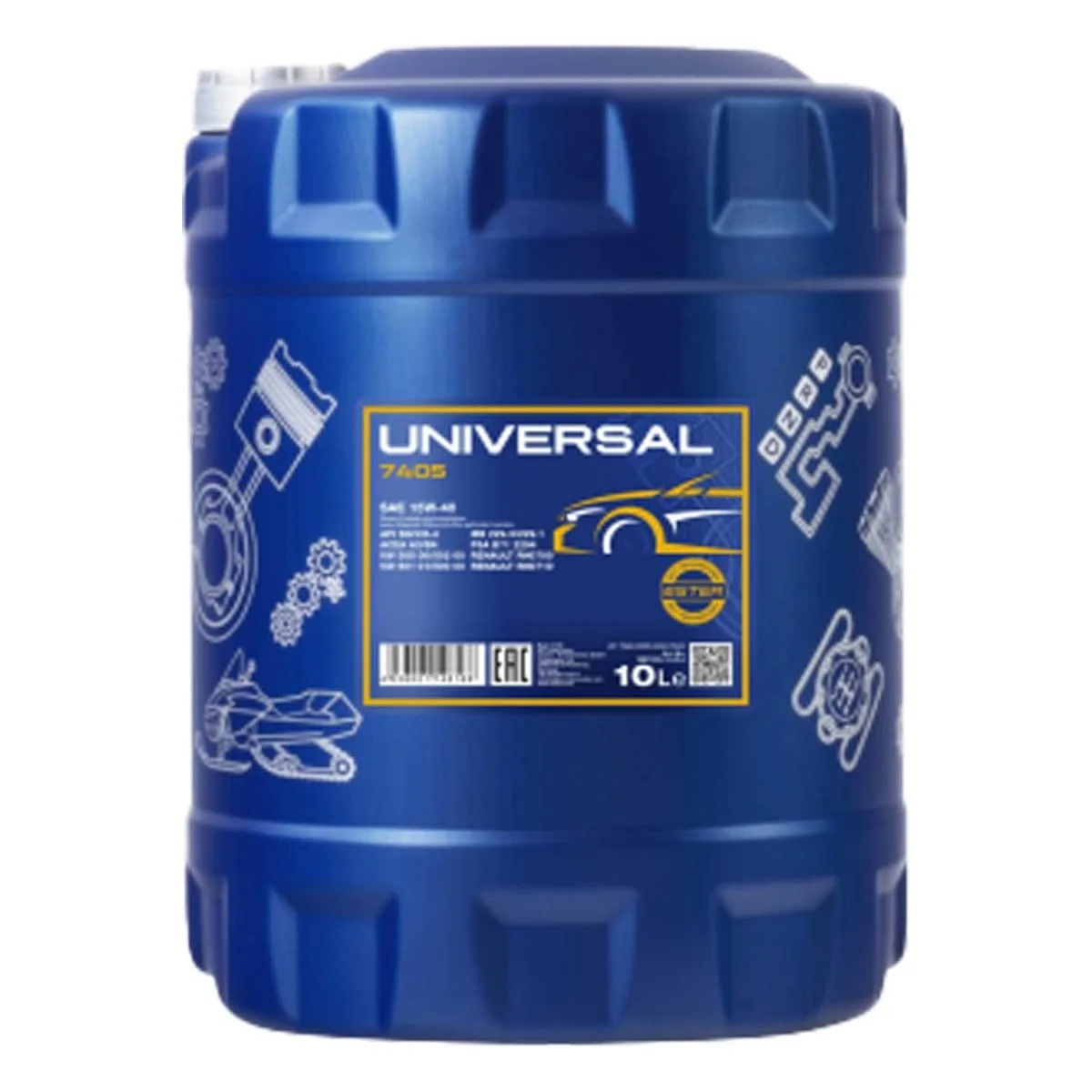
Industrial machines work for long hours in factories, plants, construction sites, and heavy-duty industries. These machines produce a large amount of heat while running. If the heat is not controlled properly, it can damage engines, reduce machine performance, and increase repair costs. This is where industrial engine coolants become very important.
A trusted industrial engine coolant manufacturer helps industries protect their equipment from overheating, rust, and engine wear. Advanced thermal technology has improved coolant performance and made modern cooling systems more reliable and long-lasting. Today, industries need high-quality coolants that can handle extreme temperatures and demanding working conditions.
This article explains the importance of industrial engine coolants, their benefits, and how advanced thermal technology supports industrial operations.
Understanding Industrial Engine Coolants
Industrial Engine Coolant Manufacturer and Supplier in Dubai is a special liquid used to control engine temperature in heavy machinery and industrial equipment. It absorbs heat from the engine and releases it through the cooling system. This process helps machines work smoothly without overheating.
Coolants are commonly used in:
- Industrial generators
- Construction equipment
- Manufacturing machines
- Heavy vehicles
- Marine engines
- Agricultural machinery
Without proper coolant, engines can become too hot and stop working properly.
Why Industrial Cooling Systems Are Important

Industrial engines often run continuously for many hours. During operation, engines create high heat levels. A strong cooling system is necessary to maintain safe temperatures.
Prevents Engine Overheating
Overheating is one of the biggest reasons for engine failure. Quality coolant keeps the engine temperature stable even during heavy work conditions.
Improves Machine Performance
When the engine stays cool, machines perform better and work more efficiently. This helps businesses increase productivity.
Reduces Maintenance Costs
Good coolant protects engine parts from rust, corrosion, and scale buildup. This reduces repair expenses and increases equipment life.
Supports Fuel Efficiency
Engines working at the correct temperature consume fuel more efficiently. This helps industries reduce operational costs.
Features of Advanced Thermal Technology
Modern industrial coolant manufacturers use advanced thermal technology to improve cooling performance. These technologies help machines operate safely in difficult industrial environments.
High Heat Transfer Ability
Advanced coolants absorb and release heat faster. This improves engine cooling and reduces stress on machine parts.
Corrosion Protection
Industrial cooling systems contain metal components that may rust over time. Modern coolant formulas protect these parts from corrosion and damage.
Long Service Life
Many advanced coolants last longer than traditional coolants. This reduces the need for frequent coolant replacement.
Protection in Extreme Temperatures
Industrial equipment often works in very hot or cold environments. Advanced thermal coolants maintain stable performance in all weather conditions.
Types of Industrial Engine Coolants
Different industries require different types of coolants depending on machine design and operating conditions.
Water-Based Coolants
These coolants use water mixed with chemical additives. They provide effective cooling and are widely used in industrial applications.
Benefits of Water-Based Coolants
- Good heat transfer
- Cost-effective solution
- Easy maintenance
- Suitable for many industrial engines
Glycol-Based Coolants
These coolants contain ethylene glycol or propylene glycol. They offer better freeze and boil protection.
Advantages of Glycol-Based Coolants
- Protects against freezing
- Reduces overheating
- Longer coolant life
- Better corrosion control
Organic Acid Technology Coolants
These coolants use advanced organic compounds for long-lasting engine protection.
Main Benefits
- Extended service intervals
- Better engine cleanliness
- Reduced scale formation
- Improved cooling system durability
Industries That Use Industrial Engine Coolants
Industrial coolants are used in many sectors where engines and machinery operate continuously.
Manufacturing Industry
Factories use heavy machines that generate large amounts of heat. Coolants help maintain stable machine performance.
Construction Industry
Excavators, cranes, and loaders work under heavy pressure. Reliable cooling systems protect these machines from breakdowns.
Power Generation Plants
Generators run for long periods and need proper cooling to avoid overheating and maintain energy production.
Marine Industry
Ships and marine engines operate in difficult conditions. Industrial coolants help maintain engine efficiency and protection.
Agriculture Sector
Farm equipment like tractors and harvesters require strong cooling systems for daily operations.
Qualities of a Reliable Industrial Engine Coolant Manufacturer
Choosing the right manufacturer is important for long-term engine performance and safety.
High Product Quality
A trusted manufacturer follows strict quality standards to provide reliable coolant products.
Advanced Research and Development
Manufacturers using modern thermal technology can produce better coolant solutions for different industries.
Technical Support
Good manufacturers provide expert guidance for coolant selection and maintenance.
Eco-Friendly Solutions
Many industries now prefer environmentally safe coolants that reduce harmful environmental impact.
How Proper Coolant Maintenance Helps Equipment
Even high-quality coolant needs proper maintenance to give the best results.
Regular Coolant Checks
Coolant levels and quality should be inspected regularly to avoid engine problems.
Timely Coolant Replacement
Old coolant may lose its protective properties. Replacing coolant on time improves engine safety.
Cleaning the Cooling System
Dust, rust, and dirt can affect coolant performance. Regular cleaning keeps the system efficient.
Using the Correct Coolant Type
Always use the coolant recommended for the specific engine or machine.
Benefits of Working with Advanced Thermal Tech Solutions
Modern thermal technology gives industries many long-term advantages.
Increased Equipment Life
Proper cooling reduces engine stress and increases machinery lifespan.
Better Operational Efficiency
Machines perform more smoothly when operating at safe temperatures.
Reduced Downtime
Reliable cooling systems lower the chances of unexpected machine failures.
Improved Workplace Safety
Overheated machines can create safety risks. Effective cooling systems help maintain safer industrial operations.
Future of Industrial Engine Coolants
The industrial sector continues to grow, and cooling technology is also improving. Manufacturers are focusing on smarter and more efficient coolant solutions.
Future coolant systems may include:
- Smart temperature monitoring
- Eco-friendly coolant materials
- Longer-lasting coolant formulas
- Improved energy-saving technology
These innovations will help industries improve machine performance while reducing operating costs.
Conclusion
Blue Middle East play a major role in protecting machinery and improving industrial performance. A professional industrial engine coolant manufacturer provides advanced thermal solutions that help engines stay cool, efficient, and reliable.
Modern coolant technology offers strong protection against overheating, corrosion, and engine damage. Industries that invest in high-quality cooling systems can reduce maintenance costs, improve productivity, and extend equipment life.