
Industry Overview
The industrial clamps market plays an important role across piping, construction, oil & gas, power generation, automotive, marine, HVAC, and general engineering industries. Clamps are designed to securely hold, support, align, and stabilize pipes, hoses, cables, and mechanical components during operation. For buyers, product quality, material grade, dimensions, load capacity, corrosion resistance, and service life are important purchasing factors. For sellers, maintaining consistent quality, competitive pricing, product availability, and reliable delivery helps build long-term business relationships. Platforms like Pipex.ai are improving industrial sourcing through a trusted B2B marketplace, helping businesses discover suitable products and suppliers more efficiently.
Clamps
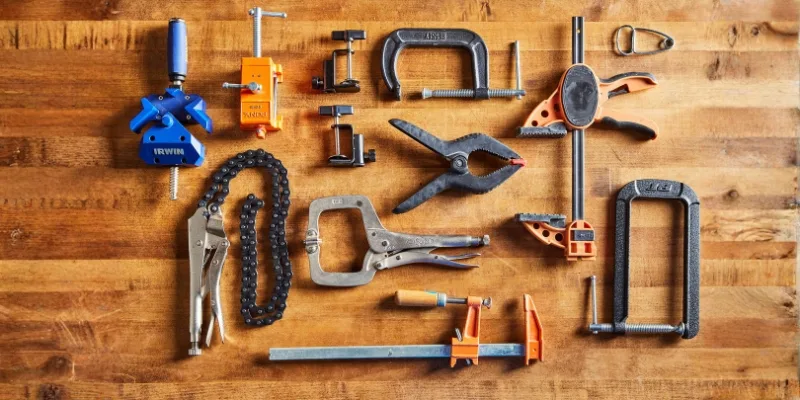
Clamps are mechanical fastening and support components used to secure pipes, tubes, hoses, cables, and other industrial parts in fixed or controlled positions. They help prevent unwanted movement, vibration, misalignment, and excessive stress during equipment operation. Depending on the application, clamps can be manufactured from materials such as stainless steel, carbon steel, alloy steel, aluminium, and other engineered materials to provide the required strength and environmental resistance.
A professional Clamps Manufacturer produces clamps in different sizes, configurations, thicknesses, and fastening arrangements to meet specific installation requirements. Product selection generally depends on the component diameter, operating temperature, pressure conditions, mounting arrangement, vibration level, and surrounding environment. For corrosive applications, corrosion-resistant materials can provide better durability and reduce the need for frequent replacement.
Industrial clamps are widely used in piping systems, hydraulic lines, pneumatic systems, machinery, structural assemblies, electrical installations, and equipment support systems. Their simple construction allows convenient installation, inspection, adjustment, and maintenance. In large industrial projects, properly selected clamps can also contribute to better organization of piping and equipment layouts.
Why this product creates value:
- Provides secure support and positioning for industrial components
- Helps control vibration, movement, and mechanical stress
- Available in multiple materials, sizes, and configurations for different applications
Industrial Applications of Clamps
Clamps are used extensively wherever pipes, tubes, hoses, cables, or mechanical components need reliable support. In piping installations, they help maintain proper alignment and prevent excessive movement caused by vibration or thermal expansion. In hydraulic and pneumatic systems, clamps help secure hoses and tubes while maintaining organized routing and reducing mechanical strain.
In construction and infrastructure projects, clamps can be used for pipe support, cable management, structural fastening, and equipment installation. Marine and offshore applications often require clamps with strong corrosion resistance because components may be exposed to moisture, saltwater, and challenging operating conditions.
Manufacturing and engineering industries also use specialized clamps for machinery, production lines, fabrication systems, and equipment assemblies. The correct clamp design can simplify installation while providing stable support throughout the operating life of the system.
Material Selection and Performance
Material selection plays a major role in determining clamp performance. Stainless steel clamps are commonly selected for applications requiring corrosion resistance and durability, particularly in marine, food processing, chemical, and outdoor environments. Carbon steel clamps can provide strong and economical solutions for general industrial and structural applications.
Alloy steel options may be preferred where higher mechanical strength and improved temperature performance are required. Aluminium clamps offer the advantage of lower weight and can be useful where weight reduction and corrosion resistance are important considerations.
The appropriate surface finish can also influence performance. Depending on the application, clamps may be supplied with finishes designed to improve corrosion protection, appearance, or surface durability. Buyers should therefore evaluate material, finish, dimensions, and operating conditions together rather than considering only the purchase price.
Clamps Supply and Procurement
A reliable Clamps Exporter can support international buyers by supplying products according to agreed specifications, packaging requirements, and documentation standards. Export-oriented suppliers generally need to maintain consistent product quality and dependable logistics to meet project schedules.
A professional Clamps Supplier can add value by offering multiple sizes and material options from a single sourcing point. This is particularly beneficial for contractors and industrial procurement teams managing large projects with different clamping requirements.
For urgent requirements, a dependable Clamps Stockist can provide an advantage through readily available inventory. Immediate availability can help maintenance teams, contractors, and project buyers reduce procurement delays and keep installation schedules on track.
A regional Clamps Dealer can also provide practical sourcing support by understanding local industrial requirements and maintaining relationships with manufacturers, contractors, fabricators, and engineering companies.
Conclusion
Clamps are essential industrial components that provide secure fastening, controlled movement, and reliable support for piping, tubing, hoses, cables, and mechanical assemblies. Selecting the correct clamp requires consideration of material, size, load capacity, operating environment, installation method, and required service life. For sellers, maintaining product quality, availability, technical specifications, and responsive service creates stronger commercial opportunities. A reliable B2B platform can simplify industrial sourcing by connecting buyers with suitable manufacturers, exporters, suppliers, stockists, and dealers while supporting efficient procurement and long-term business growth.