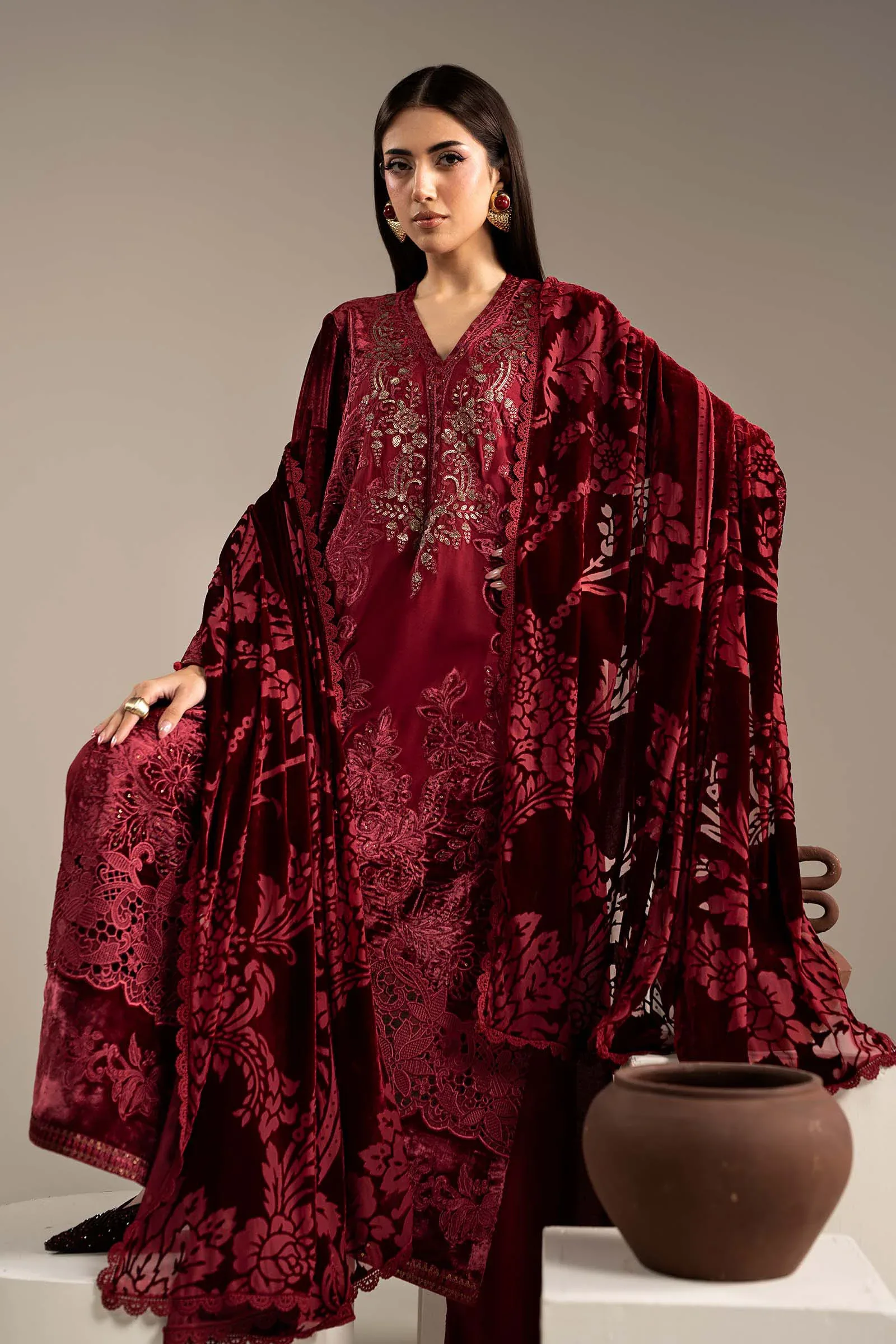
Have you ever tried on a dress in your usual size, only to find that it pulled in one place, felt loose in another, or simply did not look the way you expected? Perhaps the same problem happens with trousers, jackets or tops. The label says it should fit, yet something about the overall look feels off.
For a long time, it is easy to assume that the problem lies with your body or that you need to find a different size. But clothing fit is influenced by much more than the number on a label. Cut, fabric, proportions and garment construction all play a role in how an outfit looks and feels.
This is where Body Shape Analysis Singapore services can be useful. Understanding your proportions can help you make more informed decisions about silhouettes, clothing cuts and styling techniques, so you can choose pieces that work with your body rather than constantly trying to make unsuitable clothes fit.
The goal is not to change your body. It is to understand how to dress it in a way that feels comfortable, flattering and true to your personal style.
Why the Same Clothing Size Can Fit So Differently
Clothing sizes are not as consistent as many shoppers would like them to be. A medium in one brand may fit differently from a medium in another. Even within the same shop, two garments in the same size can sit differently because of their design, fabric and cut.
Body proportions add another layer to the process.
Two people may have similar measurements but different relationships between their shoulders, waist, hips and torso. One person might find that trousers fit comfortably around the hips but gape at the waist. Another might struggle to find jackets that fit both the shoulders and the body.
Neither situation means that something is wrong with their body. It simply illustrates why clothing is not designed to fit every individual in exactly the same way.
Understanding your body proportions can help you recognise which garment shapes tend to work well for you and which details may require more attention.
Instead of repeatedly buying different sizes and hoping for the best, you can begin to shop with a clearer idea of what to look for.
What Is Body Shape Analysis?
Body shape analysis is a personal styling process that examines your proportions and helps you understand how different clothing shapes interact with them.
A stylist may consider elements such as your shoulder line, waist definition, hip proportions, torso length and the overall balance of your silhouette.
These observations can help guide decisions about clothing cuts, hemlines, waist placement, layering and garment structure.
For example, someone with a longer torso may find that certain rises in trousers create a different visual balance from others. Someone with broader shoulders may prefer particular jacket cuts that feel comfortable and sit well across the upper body.
These are individual considerations rather than rigid rules. Your personal preferences, comfort and the look you want to achieve are equally important.
A body shape assessment is not about assigning you a label and telling you what you cannot wear. It is about giving you a better understanding of the options available to you.
Understanding Proportions Can Change the Way You Shop
One of the most practical benefits of body shape analysis is that it can make shopping less frustrating.
When you know which cuts and proportions you tend to prefer, you have a more useful starting point when browsing clothing.
Instead of choosing a garment simply because it looks attractive on a mannequin, you can consider how its design might work with your proportions.
Here are a few examples of details worth paying attention to:
- Shoulder seams: Check whether they sit comfortably in the intended position rather than pulling or dropping unexpectedly.
- Waist placement: Notice where a garment's waistline falls in relation to your natural waist.
- Trouser rise: Consider whether the rise feels comfortable and creates the silhouette you prefer.
- Jacket length: Explore how different lengths work with your torso, legs and the other pieces in your outfit.
- Fabric and structure: Notice whether a fabric drapes softly, holds its shape or adds bulk in a way you like.
- Hemlines: Consider how skirt, dress and trouser lengths work with your footwear and overall proportions.
You do not need to memorise every styling principle. Simply becoming more aware of these details can help you assess clothes more thoughtfully.
Over time, you may also recognise recurring patterns in the garments you enjoy wearing most.
Dressing Your Body Shape Without Following Fashion Rules
One concern people sometimes have about body shape analysis is that it will leave them with a long list of clothing restrictions.
You might have heard advice suggesting that certain body shapes should never wear particular prints, skirts, trousers or silhouettes. Such rules can make getting dressed feel unnecessarily complicated.
A more useful approach is to understand why a styling recommendation might work and then decide whether you like the result.
For example, a belt can draw attention to the waist, but you may prefer an outfit without one. A structured jacket can create a defined silhouette, while a relaxed jacket may feel more appropriate for your style.
Neither option is automatically better.
Your clothing should reflect your personality, the occasions you dress for and the way you want to feel. Body shape analysis can help you understand the effect of different styling choices, but it should not dictate your wardrobe.
You can wear oversized clothing, fitted dresses, wide-leg trousers, bold prints or anything else you enjoy. The important thing is learning how to choose versions that give you the fit and appearance you want.
Why Fabric and Construction Matter as Much as Shape
Sometimes, a garment's silhouette is not the problem at all. The fabric or construction may be responsible for the way it sits.
A stiff material can create a different outline from a soft, flowing fabric. A jacket with strong shoulder structure will behave differently from one made with minimal padding. Stretch fabrics may offer greater flexibility, while woven fabrics can feel more structured.
This is why trying on clothing and paying attention to how it moves is so important.
When shopping, sit down, walk around and raise your arms if the garment is intended for everyday wear. Check whether it remains comfortable and whether it sits as you expect when you move.
If a piece fits well in most areas but needs a small adjustment, tailoring may also be worth considering. Altering a hem, adjusting a waistband or refining a sleeve length can sometimes make a useful difference.
The aim is to evaluate the garment as a whole rather than assuming that every fit issue is related to your body shape.
Body Shape Analysis for Everyday Life in Singapore
Dressing in Singapore often involves balancing personal style with practical considerations. The warm, humid climate, air-conditioned workplaces and varied social occasions can all influence the clothes you choose.
You may need outfits that work for office meetings, casual lunches, commuting, weekend activities and evening events. Ideally, these clothes should feel comfortable while still helping you present yourself in the way you prefer.
Understanding your proportions can help you make more considered choices when selecting lightweight trousers, dresses, skirts, tops and jackets.
For example, if you regularly wear tailored trousers to work, it may be useful to understand which rises, cuts and lengths feel best on you. If dresses are your preferred option for social occasions, exploring different waist placements and silhouettes can help you identify styles that suit your needs.
The purpose is not to create a separate set of rules for Singapore. It is to make sure your wardrobe works for your actual routine, climate and personal preferences.
How Body Shape Analysis Works with Colour Analysis
Body shape analysis focuses on proportions and clothing silhouettes, while colour analysis explores how different colours work with your natural colouring.
Together, these services can provide a broader foundation for personal styling.
Imagine finding a jacket that fits beautifully but comes in a colour you rarely wear. Alternatively, you might own a top in a colour you love, but the cut does not work well with the trousers you usually choose.
Considering both fit and colour can help you make more complete wardrobe decisions.
You can begin by identifying the silhouettes you enjoy wearing and the colours you feel most confident in. From there, you can look for pieces that bring these elements together.
This does not mean every item needs to meet a particular formula. It simply gives you two useful ways to evaluate a potential purchase before adding it to your wardrobe.
A Personalised Approach at The Lifestyle Editor
At The Lifestyle Editor, personal styling is centred on understanding the individual rather than applying the same fashion advice to everyone.
Moushumi Khara offers personalised styling services that help clients explore clothing choices in relation to their proportions, preferences and lifestyles.
A body shape analysis can be particularly useful if you frequently struggle with fit, feel uncertain about which silhouettes to try, or want to shop more confidently without relying on changing trends.
Rather than treating body shape as a limitation, the process can help you understand how different cuts and styling choices influence the way clothing sits on you.
The knowledge can then be applied to your existing wardrobe and future shopping decisions.
If you would like to learn more, explore the Body Shape Analysis Singapore service at The Lifestyle Editor.
How to Prepare for Your Body Shape Analysis
You do not need to buy new clothes or prepare a completely different wardrobe before a consultation.
It can be helpful, however, to think about the clothing challenges you encounter most often.
Do trousers frequently fit differently around your waist and hips? Do you struggle to find jackets that sit comfortably across your shoulders? Are there certain dresses or tops you like but rarely wear because you are unsure how to style them?
These examples can help you identify the areas where personalised guidance might be most useful.
You could also consider which outfits you already enjoy wearing and why. Perhaps you feel most comfortable in relaxed silhouettes, prefer a defined waist or like clothing that creates a more structured appearance.
Sharing these preferences helps keep the discussion focused on your personal style rather than a generic set of recommendations.
After the consultation, start applying what you have learned gradually. You might experiment with different trouser cuts, pay closer attention to jacket lengths or try a silhouette you previously overlooked.
There is no need to replace your entire wardrobe at once.
Final Thoughts: The Right Fit Is About More Than a Size
Clothing should make you feel comfortable, confident and able to move through your day without constantly adjusting your outfit.
When something does not fit as expected, it is worth considering the garment's cut, fabric, construction and proportions before assuming that you need a different body or a completely new wardrobe.
Body Shape Analysis Singapore services can help you understand these details and make more informed styling choices.
The real benefit is not learning a list of clothes you should or should not wear. It is discovering which options work for your body, your lifestyle and your personal taste.
Once you understand what to look for, shopping can become more intentional, outfit choices can feel less confusing, and your wardrobe can begin working better for you.