
The Opening Scene: A New Era of Travel in Motion
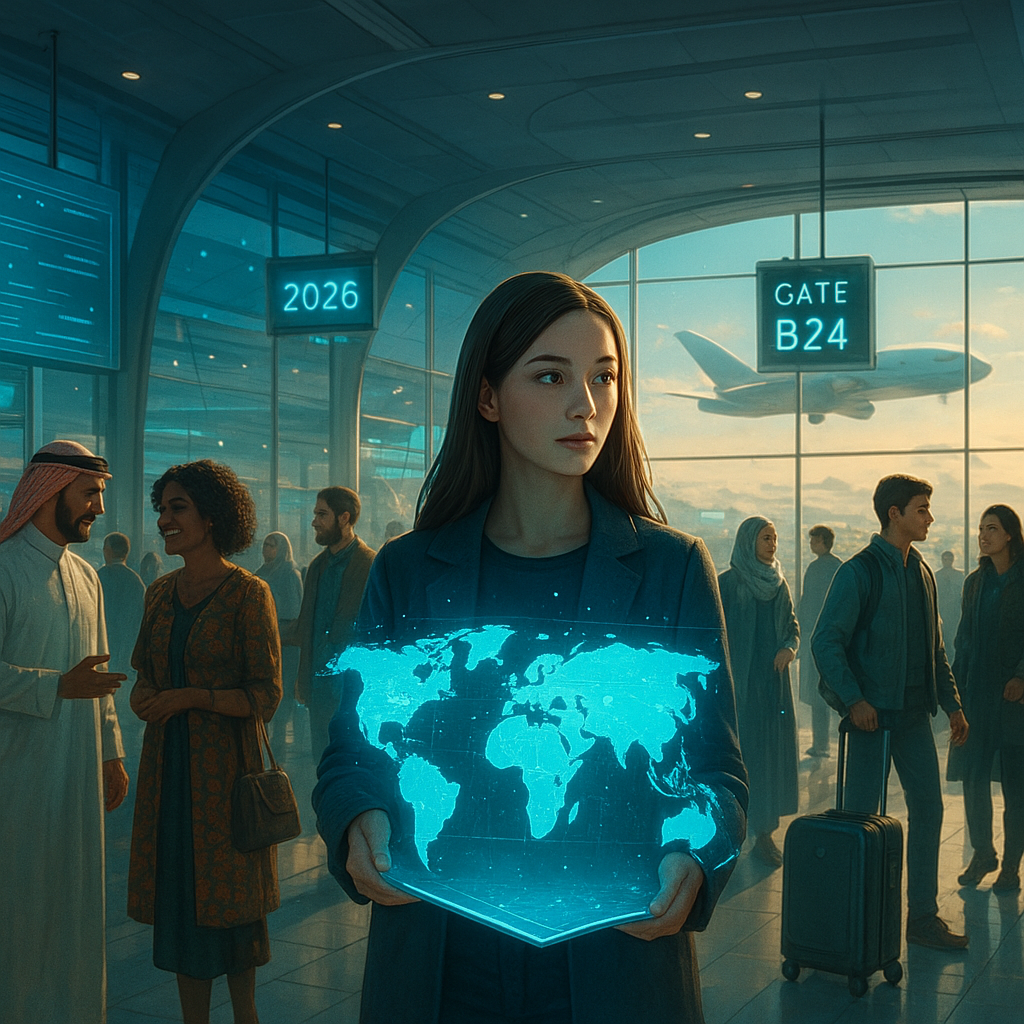
On a crisp spring morning in April 2026, travelers at Tokyo's Haneda Airport experience a seamless fusion of technology and culture. Autonomous electric shuttles whisk visitors to an array of eco-friendly resorts, while AI translators facilitate effortless conversations between tourists and locals in over 50 languages. This snapshot encapsulates a profound transformation in global travel—one that has evolved far beyond traditional tourism into a dynamic catalyst for lifestyle changes and international connectivity.
Recent data from the International Air Transport Association (IATA) indicates that global air passenger numbers have rebounded past pre-pandemic levels, reaching an estimated 5.2 billion in 2025, underscoring a pent-up demand for exploration. Yet, what sets 2026 apart is not just volume but the nature of travel itself—a shift toward personalization, sustainability, and digital integration that is redefining how and why people move across the world.
“Travel in 2026 is less about ticking destinations off a list and more about weaving authentic experiences into the fabric of everyday life,” notes Dr. Helena Santos, a leading anthropologist specializing in mobility studies.
As the world becomes increasingly interconnected, travel has emerged as a key driver of lifestyle innovation and cross-cultural understanding, presenting myriad opportunities and challenges. This article unpacks the forces behind this evolution, grounded in insightful analysis and recent developments shaping the future of travel.
Tracing the Trajectory: How Travel Reached This Turning Point
To comprehend the current state of travel, it is essential to revisit the past decade's pivotal shifts. The early 2020s were marked by a global pandemic that temporarily crippled international travel, forcing industries and travelers alike to rethink priorities. In the aftermath, there was a notable surge in domestic and regional tourism, as well as increased interest in sustainable practices.
Technology accelerated this transformation. The rise of AI-powered travel assistants, biometric security systems, and immersive virtual reality tours changed the way people plan and experience trips. Meanwhile, climate concerns prompted governments and corporations to adopt stricter regulations and invest in greener infrastructure.
According to the World Tourism Organization (UNWTO), sustainable tourism initiatives grew by over 40% between 2022 and 2025, reflecting a collective effort to reduce carbon footprints and preserve cultural heritage. This period also saw the rise of remote work, which blurred the lines between travel and lifestyle, giving birth to a nomadic workforce seeking meaningful experiences.
“The pandemic was a catalyst for reimagining travel as a sustainable and integrated component of life, not just a luxury or escape,” said Maria Lopez, CEO of GlobalTravel Innovations.
These trends laid the groundwork for 2026’s travel environment—a landscape where technology, sustainability, and lifestyle merge seamlessly.
Data-Driven Insights: What Current Figures Reveal About Travel Trends
Examining the latest figures provides clarity on the forces reshaping travel in 2026. Market research firm Statista reports that the global travel and tourism sector generated approximately $12 trillion in revenue in 2025, representing a 7.5% annual growth rate. Key drivers include emerging markets, experiential travel, and digital transformation.
Breaking down traveler demographics reveals significant changes:
- Millennials and Gen Z: Now constituting over 60% of international travelers, these groups prioritize authentic cultural immersion and sustainable options.
- Remote Workers: Nearly 25% of global travelers identify as digital nomads or remote professionals, blending work and leisure.
- Luxury vs. Budget: While luxury travel continues to grow, budget-conscious and micro-adventure travel experiences have surged, reflecting diverse economic realities.
Technology adoption statistics are equally striking. Over 80% of travelers use AI-based planning tools or virtual assistants, while contactless payments and biometric boarding have become standard at major airports worldwide.
Meanwhile, sustainability metrics show a promising decline in carbon emissions per traveler mile, driven by innovations in electric aviation and carbon offset programs. The International Civil Aviation Organization (ICAO) reports that 30% of new commercial aircraft deliveries in 2026 are electric or hybrid models, a leap from just 5% in 2022.
“The integration of clean technologies into travel infrastructure is not just an environmental imperative but an economic opportunity,” affirms Dr. Raj Patel, aviation expert.
These data points underscore a travel ecosystem that is simultaneously expansive, technologically sophisticated, and increasingly responsible.
2026 Developments: Recent Innovations and Industry Shifts
The year 2026 marks several milestones in how travel operates globally. Key developments include:
- Widespread Adoption of Hyperloop Networks: Countries like the UAE, China, and parts of Europe have launched commercial hyperloop routes, dramatically reducing travel times between major urban centers and reshaping regional tourism.
- Decentralized Travel Platforms: Blockchain technology has enabled peer-to-peer accommodation and transportation marketplaces, increasing transparency and reducing intermediary costs.
- AI-Driven Personalization: Travelers now receive real-time itinerary adjustments based on weather, local events, and health advisories, enhancing the flexibility and safety of trips.
- Eco-Tourism Expansion: Protected areas and indigenous communities partner with governments and companies to offer responsible eco-tourism experiences that contribute directly to conservation efforts.
- Integration of Virtual Reality: VR pre-travel experiences help users preview destinations and make informed decisions, while hybrid virtual-physical tours cater to those unable to travel physically.
Moreover, regulatory frameworks have evolved. The International Air Transport Association’s newly introduced Global Traveler Digital Identity standard enables seamless cross-border movement with enhanced privacy protections, simplifying visa and health certification processes.
These advances have not only improved convenience but also democratized travel access, aligning with social equity goals.
Voices from the Field: Industry Experts and Traveler Perspectives
Industry leaders and seasoned travelers offer valuable insights into how these transformations influence daily life and global relations. Samantha Wu, founder of WanderSmart, a top travel consultancy, highlights the cultural impact: “Travel has become a bridge, fostering empathy and cross-cultural dialogue in ways digital communication alone cannot.”
On the corporate front, airline executives emphasize the importance of sustainability initiatives. Juan Carlos Ramirez, COO of AeroGreen Airlines, states, “Our commitment to a net-zero carbon footprint by 2030 is reshaping fleet strategies and customer engagement.”
“Modern travel is a reflection of our collective values and aspirations, blending exploration with responsibility,” remarks travel psychologist Dr. Elise Morgan.
From the traveler’s standpoint, many embrace the fusion of work and leisure. Remote professional Marcus Chen shares, “The ability to work from a beach in Bali or a cabin in the Alps while staying connected is the ultimate lifestyle upgrade.”
This sentiment echoes broader shifts in how mobility is integrated into life choices, supporting well-being and creativity.
Looking Ahead: What to Watch in the Future of Travel
The trajectory of travel suggests several critical trends will continue shaping the sector:
- Hyper-Personalized Experiences: Advances in AI and data analytics will deliver ever-more tailored travel solutions, adapting dynamically to individual preferences and circumstances.
- Green Innovation Acceleration: Breakthroughs in sustainable fuels, carbon capture, and circular economy practices will become standard, driven by regulatory pressures and consumer demand.
- Inclusive Global Connectivity: Infrastructure investments in underserved regions will expand travel opportunities, fostering economic development and cultural exchange.
- Hybrid Physical-Virtual Travel: The blending of real and virtual worlds will grow, with immersive technologies enabling new forms of engagement and accessibility.
- Ethical and Community-Centered Tourism: Models prioritizing local benefit and environmental stewardship will gain prominence, reshaping brand reputations and traveler choices.
Travelers and industry stakeholders alike must navigate these evolving dimensions mindfully. As highlighted in this detailed analysis, travel's role as a lifestyle enhancer and global connector carries responsibilities alongside opportunities.
Furthermore, lessons from common travel pitfalls emphasize preparedness and cultural sensitivity as essential components of modern exploration.
“Embracing travel as a force for good requires intentionality at every step—from policymakers to individual explorers,” concludes Dr. Santos.
Ultimately, 2026 represents not just a rebound but a renaissance in travel, one that aligns personal enrichment with global stewardship.