For owners transitioning to or managing a saline aquatic environment, understanding water chemistry is an essential part of regular upkeep. Without proper evaluation, the delicate balance of minerals can shift rapidly, impacting both comfort and equipment longevity.
Proper testing ensures that your pool remains a safe, inviting, and relaxing space for leisure and exercise throughout the swimming season. By learning how to monitor parameters correctly from the very beginning, you can prevent common issues like cloudy water, scaling, and skin irritation.
Understanding Your Water Chemistry Parameters
The foundation of proper pool management lies in knowing which chemical levels require regular monitoring and why each one matters. Keeping track of parameters such as free chlorine, pH, total alkalinity, and stabilizer levels ensures that your pool stays balanced and protected.
When these core elements remain within their ideal ranges, the environment stays comfortable for swimmers and free of unwanted organic buildup. Regular oversight helps protect pool liners, ladders, and expensive filtration systems from premature corrosion or scaling.
- Free chlorine measures the active sanitizer available to neutralize organic contaminants introduced by weather and use.
- pH indicates how acidic or basic the water is, directly affecting swimmer comfort and equipment integrity.
- Total alkalinity acts as a buffer for pH, preventing rapid and erratic shifts in water acidity.
- Cyanuric acid, or stabilizer, protects chlorine molecules from breaking down too quickly under intense ultraviolet sunlight.
Gathering Your Essential Testing Equipment
Before taking your first water sample, assembling the right tools is necessary for achieving accurate and reliable results. Having everything organized beforehand streamlines the process and ensures that your testing procedure is both efficient and precise.
Investing in quality equipment eliminates guesswork and helps you maintain consistent water quality week after week. Selecting the appropriate testing supplies tailored to saline systems makes all the difference in routine maintenance.
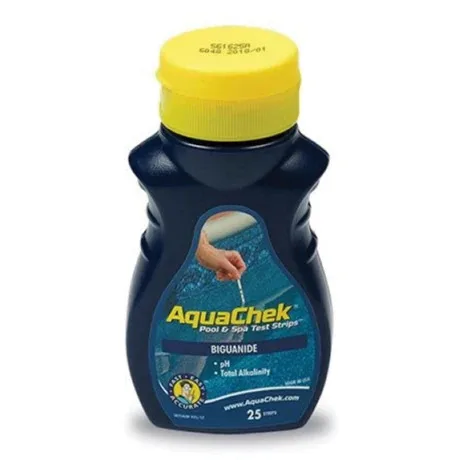
- pool salt test strips or dedicated titration drops provide a straightforward way to measure total dissolved sodium chloride levels.
- A clean, multi-parameter test kit or digital photometer evaluates secondary chemical balances simultaneously.
- A small collection container or vial is necessary for gathering representative water samples away from return jets.
- A dedicated reference chart helps translate color changes or digital readings into actionable maintenance steps.
Collecting a Representative Water Sample
Gathering water correctly is a critical first step that directly influences the accuracy of your overall testing routine. Taking water from the right location prevents skewed readings caused by concentrated surface debris or freshly added chemicals.
Always submerge your collection container upside down to a depth of about one foot below the surface before turning it upright. This technique ensures that you capture water representative of the main body rather than surface impurities.
- Submerge the testing vial or sample container at least 12 inches beneath the surface of the pool.
- Avoid collecting water directly in front of return jets or skimmer boxes where chemicals concentrate.
- Rinse the sample container thoroughly with pool water twice before gathering the final sample for testing.
- Complete the collection process away from the pool walls to avoid picking up settled dust or biofilm.
Testing for Salt Levels and Salinity
Saline pools rely on dissolved sodium chloride to generate chlorine naturally through an electrolytic salt cell system. Monitoring this specific salinity level ensures that your generator operates efficiently without straining internal electrical components.
Most systems require a precise range of sodium chloride to function properly, so checking this parameter is vital for equipment longevity. Insufficient salt prevents adequate sanitizer production, while excessive salt can cause metallic taste and potential scaling.
- Follow the specific manufacturer instructions provided with your use salt water pool test kit to measure parts per million accurately.
- Allow test strips or titration drops to react for the exact duration specified in the product manual.
- Compare color changes against the provided reference scale in good natural lighting for maximum precision.
- Record your salinity reading in a maintenance log to track seasonal trends and evaporation rates.
Evaluating pH and Total Alkalinity Balance
Water acidity and alkalinity work hand in hand to maintain a comfortable swimming environment and protect pool surfaces. When pH drifts too high or too low, swimmers may experience eye irritation, and pool finishes can suffer damage.
Total alkalinity stabilizes the pH level, acting as a shield against sudden chemical fluctuations caused by rain or heavy use. Balancing these two factors ensures that your generated chlorine remains effective and gentle on the skin.
- Test the pH level using your multi-parameter reagents, ensuring readings fall within the recommended neutral range.
- Evaluate total alkalinity immediately afterward to see if the water possesses enough buffering capacity.
- Adjust alkalinity first if necessary, as a stable buffer makes subsequent pH adjustments much easier to manage.
- Re-test the water a few hours after making any chemical adjustments to verify that parameters have stabilized.
Interpreting Results and Making Adjustments
Once all parameters have been measured, translating the data into practical adjustments is the next logical step in maintenance. Understanding how different chemical factors interact prevents over-correction and keeps the pool water pristine.
Making gradual adjustments rather than adding large amounts of chemicals all at once protects both equipment and swimmers. Patience is key when fine-tuning water chemistry to achieve long-term stability and clarity.
- Compare your final test kit readings against the ideal chemical ranges recommended for saline systems.
- Calculate any necessary chemical additions based strictly on your pool's total volume capacity.
- Add balancing products slowly across the surface of the pool while the filtration pump runs continuously.
- Wait a full filtration cycle, typically 4 to 6 hours, before re-testing to confirm successful adjustment.
Establishing a Routine Maintenance Schedule
Consistency is the ultimate secret to effortless pool ownership and long-lasting equipment performance throughout the entire year. Setting up a predictable testing schedule prevents minor chemical imbalances from turning into major maintenance challenges.
Regular oversight ensures that your backyard oasis remains inviting, hygienic, and ready for relaxation whenever you choose. For expert advice and reliable equipment recommendations, many local homeowners turn to Ever-Klear Pool Supply for their ongoing maintenance needs.
- Perform a basic multi-parameter test at least twice a week during the peak swimming season.
- Check salt levels and stabilizer concentrations on a monthly basis to account for splash-out and dilution.
- Maintain a dedicated journal or digital app to log all test results and chemical additions over time.
- Inspect testing reagents annually and replace expired drops or strips to maintain absolute measurement accuracy.
Frequently Asked Questions
How often should I test my salt water pool?
It is recommended to test the free chlorine, pH, and alkalinity at least twice a week during swimming season. Salinity and stabilizer levels can be checked on a monthly basis since they fluctuate more slowly.
Can I use standard pool test kits for a salt water pool?
Yes, standard test kits measure pH, chlorine, and alkalinity, which apply to all pools. However, you will need a specialized method or dedicated strip specifically designed to measure sodium chloride parts per million.
What happens if the salt level is too low?
If the salinity drops below the operating threshold, your salt chlorine generator will typically display a low-salt warning and stop producing chlorine, leading to unsanitary water conditions if left uncorrected.
Do test strips expire?
Yes, test strips and chemical reagents have a limited shelf life, usually ranging from one to two years. Using expired supplies can lead to inaccurate readings and improper water balancing.