Wholesale Letterman Jackets for Schools and Teams
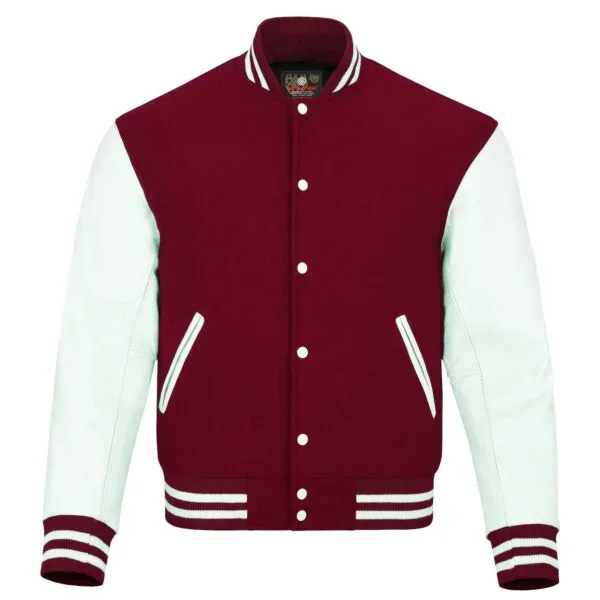
Buying wholesale letterman jackets lets a school, club, or team get matching jackets at a lower price for each piece, but only if the order is planned well. The big risks are wrong sizes, late delivery, and surprise costs. This guide explains how bulk orders work, what to agree on before you pay, and how to keep a group order simple.
What “wholesale” means for a group order
Wholesale means you buy many jackets at once, directly from a maker or supplier, instead of buying one at a time from a shop. The price for each jacket usually drops as the number goes up.
For a school or team, wholesale usually has three parts:
A base jacket, such as a wool body with leather sleeves
Custom details, such as school colors, letters, names, numbers, and patches
A bulk price based on the number of jackets you order
Every supplier works a little differently, so always ask what is included in the price.
Decide what the jackets are for
Before you ask for quotes, answer a few simple questions.
Are they for award jackets, which students earn, or for team spirit, which everyone can buy?
Who pays: the school, the team, the parents, or the students?
Do you need the same jacket for everyone, or different styles for players, coaches, and fans?
When do you need them, and is there a fixed event date?
Write the answers down. A clear brief gets you better quotes and fewer changes later.
Pick the jacket style for your group
A classic wool body with leather sleeves is the traditional choice. A wool leather varsity jacket is warm, holds patches well, and looks like the classic letterman style. It costs more than a lighter jacket, and it needs careful cleaning, since wool and leather are treated differently. Check if the sleeves are real leather or faux leather, and ask for this in writing.
A lighter style suits warm climates and travel. A wool baseball jacket with fabric sleeves has the same shape without the leather, so it can cost less and feel simpler. Satin and cotton jackets are lighter still.
Check the body fabric, the wool percentage, the lining, and the weight for every option, because the name alone does not tell you how a jacket will perform.
Understand how the price is built
Ask each supplier for a written quote that lists every cost. Look for:
The price for each jacket at different quantities
The minimum order quantity
The cost of letters, patches, and embroidery
Extra charges for each color or special size
The cost of samples and mockups
Shipping, taxes, and import duties, if they apply
Payment terms, such as a deposit and a final payment
A low price per jacket can hide extra charges. Compare the full cost for the same list of items, not just the headline price.
Ask for a sample before the full order
A sample shows you the real fabric, stitching, size, and color. Check:
Fabric feel and weight
Color match to your school colors
Letters and patches: size, placement, and spelling
Sleeve material and cuff shape
Snaps or zip
Fit on a real person
Ask whether the sample fee is taken off the final price, and whether the final jackets will match the approved sample.
Match your school colors
School colors are easy to get wrong, because colors look different on screens and in different fabrics. Give the supplier exact color names or a physical swatch, and ask for a fabric swatch in return. Check that the body, sleeves, trim, and letters all match the colors the school uses. Approve the colors in writing before production.
Plan sizes for a big group
Sizing is the hardest part of a group order.
Collect measurements, not only sizes. Ask each person for chest, shoulder width, and sleeve length.
Compare them to the supplier’s garment measurements. Do not use only the size label.
Order a size kit. Many suppliers can send sample jackets in several sizes, so students can try them on.
Decide about layers. Tell people if they should try the jacket over a hoodie.
Keep a list. Record each person’s size, name, and any special request, and check it twice before you send it.
Leather sleeves have little stretch, so a sleeve that is too short is hard to fix. If the order has different age groups, check whether youth and adult sizes follow different charts.
Letters, names, and rules for awards
If the jackets are awards, check your school’s rules before you design them. Ask:
Who can earn a letter, and for which activities?
Where do letters, years, and sport patches go?
Are there rules about size, color, and wording?
Who approves the final design?
Good placement is simple: the letter on the chest, the team or school name on the back, and names or numbers on the sleeves. Too many patches make a jacket heavy and crowded.
Timelines and delivery
Custom bulk orders take time, so work backward from your deadline.
Sample making and approval
Production after approval
Shipping and customs, if the order crosses a border
A buffer for delays and fixes
Ask the supplier for a written schedule, and add extra time. Do not leave the order until the last month before an event.
Payment and protection
Agree on these points in writing before you pay:
How much is paid up front, and when the rest is due
What payment methods are accepted
What happens if the delivery is late
What happens if jackets are damaged, wrongly sized, or different from the sample
Who pays for reprints, replacements, and return shipping
Be careful with any supplier who asks for the full payment with no sample and no written agreement.
Collecting orders and money from students and parents
Group orders often fail because of unclear payment. A simple system helps.
Set a clear deadline for sizes and payments.
Use one order form and one person to manage it.
Collect payment before you place the order, or agree on a clear plan with the school.
Share the final price, what is included, and the delivery date upfront.
Keep a record of who paid and who has received a jacket.
Checking the delivery
When the jackets arrive, check them before you hand them out.
Count the jackets and compare them to your list.
Check every name, number, and letter for spelling.
Look at stitching, snaps, and zips.
Check sizes against your list.
Report problems in writing, with photos, as soon as you can.
Looking after the jackets
Give each wearer simple care advice. Read the care label before cleaning. Keep leather sleeves away from heat and soaking, brush wool gently, and hang the jacket on a wide, padded hanger. These small habits help the jackets last through more seasons.
Planning reorders
If your school or team will order again next year, keep the approved design, the color names, the supplier details, and the size records in one place. A saved record makes the next order faster and helps the jackets match across years.
What to do first
Write a short brief with the number of jackets, the style, the colors, the lettering, and the deadline. Send it to three suppliers, ask for samples and written quotes, and compare them on the same terms. A careful first step saves far more time and money than a rushed order.