
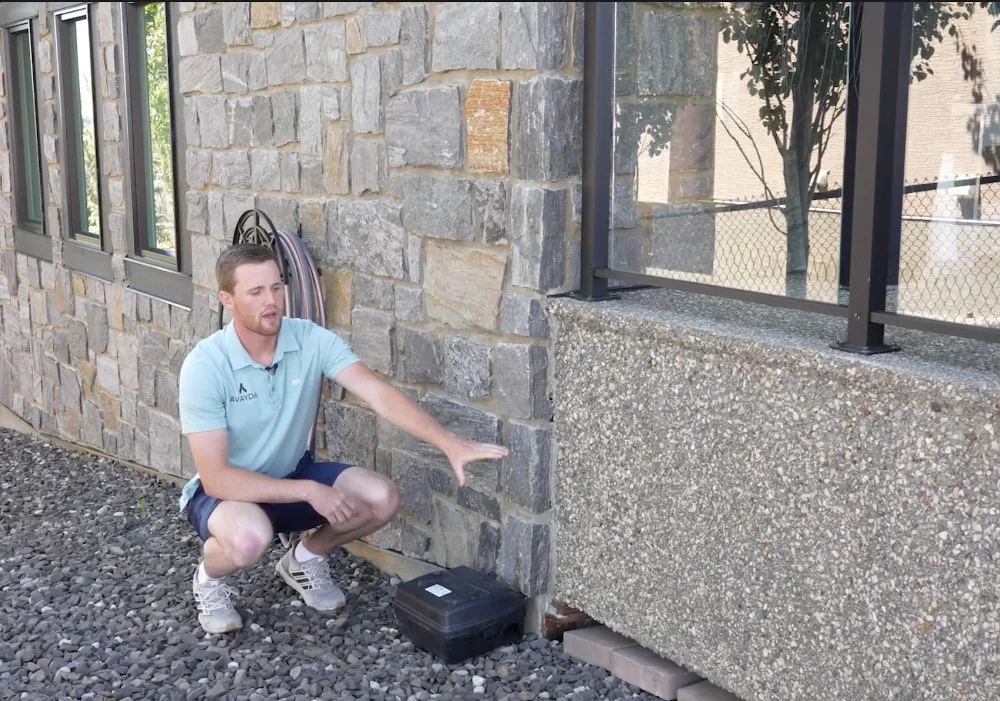
Rodents can enter homes through surprisingly small openings while searching for food, water, and shelter. Across British Columbia, prevention starts with understanding where mice and rats travel, nest, and feed. Homeowners considering pest control west Kelowna can reduce risk by combining regular inspections, better sanitation, and practical exclusion measures before rodent activity becomes established.
Follow Avayda on Facebook for seasonal pest tips, prevention advice, and updates!
Know Which Rodent You’re Dealing With:
House mice, roof rats, and Norway rats behave differently, so identifying likely activity helps guide prevention. House mice often nest in enclosed areas such as wall voids, cabinets, attics, and crawl spaces. Roof rats are strong climbers that favour attics and roof spaces, while Norway rats are more commonly associated with ground-level burrows, foundations, and lower sheltered areas.
Learn more about common rodent signs!
Seal Common Entry Points:
Rodent-proofing starts by inspecting the exterior for gaps around doors, windows, foundations, vents, soffits, chimneys, pipes, and utility lines. British Columbia guidance recommends sealing openings larger than 6 mm with durable materials and trimming branches away from roofs. For households researching pest control Vancouver BC, coastal conditions can make regular exterior inspections especially worthwhile. Seasonal weather changes make repeated exterior checks worthwhile throughout the year.
Remove Food, Water, and Shelter:
Even a well-sealed home may attract rodents when food and water remain easy to access. Keep garbage in containers with tight-fitting lids, clean spilled food promptly, store dry goods and pet food in hard-sided containers, and repair leaking taps or pipes. Outdoor fruit, birdseed, compost, and pet food can also attract rodents, so these sources should be managed carefully around the property. Prompt cleanup matters.
Recognize Signs Before Activity Spreads:
Droppings, gnaw marks, damaged food packaging, greasy rub marks, nests, and scratching sounds can indicate rodent activity. Roof rats may be heard in attics, while Norway rats may leave signs closer to foundations or lower spaces. Once evidence appears, delaying action can allow the problem to grow. Cleanup and continued monitoring help reduce conditions that support recurrence.
Seek professional help if rodent signs continue indoors.
About Avayda
When rodent activity continues despite preventive measures, homeowners may start looking for pest control near me to find local support. Avayda provides pest and rodent control services across Canadian locations, including British Columbia, addressing mice, roof rats, Norway rats, and other household pests through year-round pest management.
Key Takeaways
- Inspect foundations, doors, vents, roofs, and utility openings for possible rodent entry points.
- Reduce access to food and water by securing garbage, pet food, dry goods, and outdoor attractants.
- Recognize that house mice, roof rats, and Norway rats may use different nesting and travel areas.
- Watch for droppings, gnaw marks, noises, nests, and damaged food packaging.
- Continue monitoring and exclusion measures after rodent activity has stopped.
To get more details, visit https://avayda.ca/
Email Address: [email protected]
Contact the team at (855) 208-3470
Original Source: https://bit.ly/4y6C2GR