
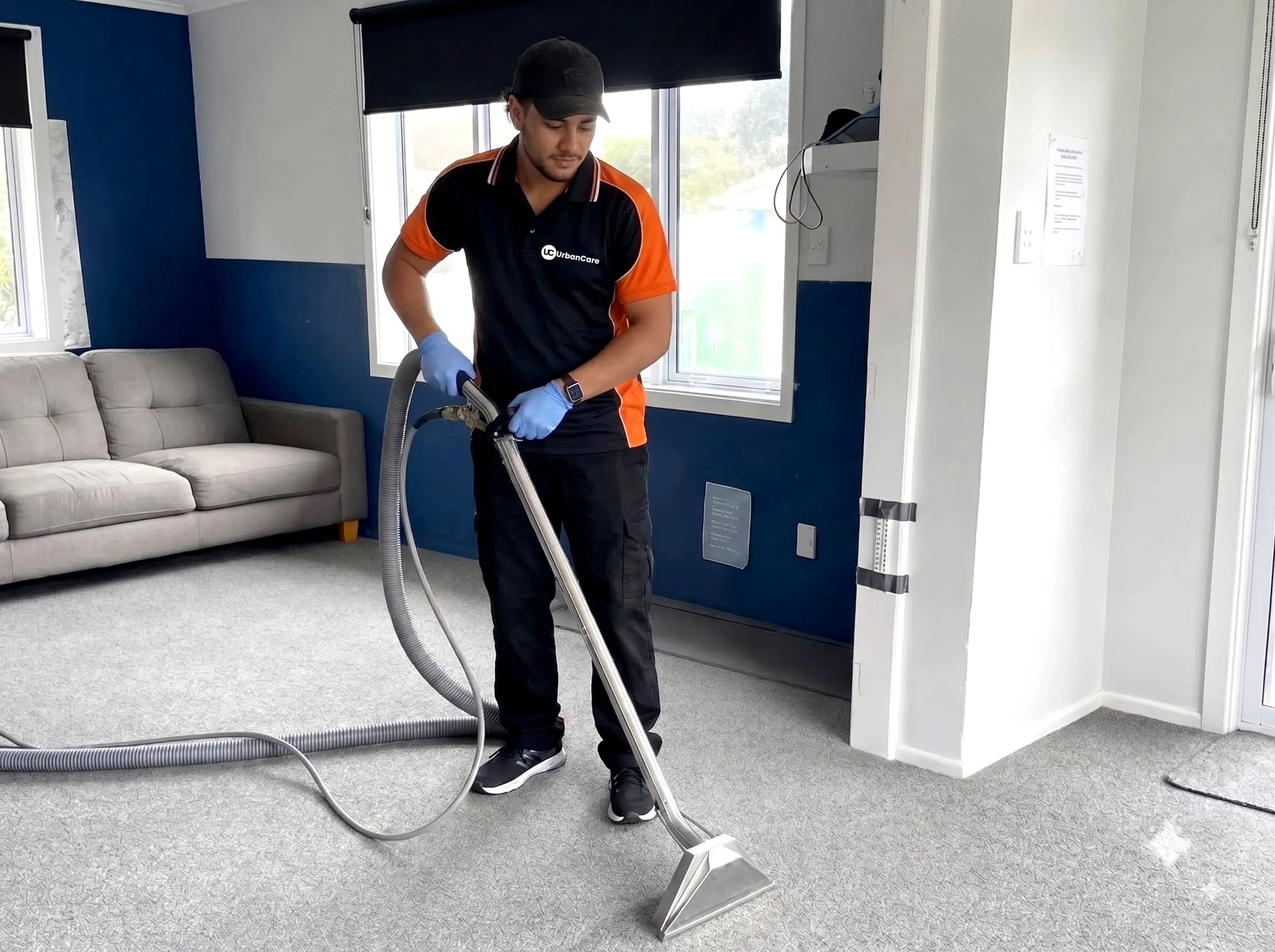
A deep clean is an opportunity to tackle the dirt, dust, and grime that regular household cleaning may leave behind. From neglected corners and kitchen surfaces to bathroom fittings and hard-to-reach areas, a thorough clean can help make your home feel fresher and easier to maintain.
However, preparing your home before deep cleaning begins can make the process more organised and efficient. Removing clutter, identifying problem areas, putting away personal belongings, and understanding which tasks need special attention can help you get more value from your cleaning session.
Whether you plan to deep clean your home yourself or arrange professional help, a little preparation can make a noticeable difference. This guide explains how to prepare each area of your home, what to do before the cleaning starts, and which common mistakes to avoid.
What Should You Do Before a Deep Clean?
Before starting, focus on making the rooms accessible and identifying the areas that need the most attention.
Here is a simple pre-cleaning checklist:
- Remove unnecessary clutter from floors, tables, and countertops.
- Put away clothing, toys, paperwork, and personal belongings.
- Clear kitchen benches and bathroom vanity surfaces where practical.
- Identify stubborn stains, accumulated grime, or neglected areas.
- Secure valuables and store important documents safely.
- Make sure the cleaner can access the rooms and surfaces that need attention.
- Check which tasks are included if you have booked a professional service.
You do not need to clean your entire home before deep cleaning. The purpose of preparation is to make surfaces accessible, not to complete the cleaning work in advance.
1. Declutter Each Room Before Cleaning
Clutter can make it difficult to reach surfaces, clean corners, and remove dust from furniture. Spending a little time organising your belongings can help you prepare your home without creating unnecessary extra work.
Start with the areas that collect the most everyday items, such as living room tables, bedroom floors, kitchen benches, and hallway surfaces.
Separate items into three groups: things to keep, things to put away elsewhere, and items you no longer need. Return everyday belongings to their usual storage spaces and remove anything that is blocking access to the areas you want cleaned.
For example, moving shoes away from the entrance and clearing the dining table can make it easier to clean the floor and wipe the surfaces thoroughly.
Helpful tip: Work on one room at a time instead of trying to declutter the entire house at once. This makes the preparation process more manageable, especially in busy households.
2. Prepare the Kitchen for a Thorough Clean
The kitchen is one of the busiest areas of a home. Cooking oils, food splashes, crumbs, and grease can accumulate around appliances, cupboards, and worktops.
Before deep cleaning the kitchen, remove loose items from the benches and put away food, utensils, and small appliances that do not need to remain there.
You can prepare by:
- Clearing the kitchen countertop as much as possible.
- Removing crumbs and loose food debris.
- Putting away dishes and cleaning tools.
- Disposing of expired food if you are already organising the pantry or refrigerator.
- Identifying areas with stubborn grease or food residue.
- Making space around appliances that need to be cleaned externally.
You generally do not need to empty every cupboard or move heavy appliances yourself. If you want the inside of cupboards, the refrigerator, or other appliances cleaned, check whether those tasks are included in your cleaning plan.
Avoid disconnecting appliances or moving heavy equipment unless it is safe to do so and you know how to handle it properly.
3. Organise Bathrooms Before Deep Cleaning
Bathrooms can accumulate soap residue, water marks, toothpaste splashes, and grime around fixtures. Preparing the space helps make these surfaces easier to access.
Put toiletries, cosmetics, towels, and personal care items away where possible. Remove bath mats and laundry, and keep frequently used items together so they can be returned easily after cleaning.
Before the session, make a note of areas that need extra attention, including:
- Shower screens and visible soap residue.
- Taps and the area around the basin.
- Toilet exterior and surrounding floor.
- Bathroom mirrors and cupboard fronts.
- Accessible corners and skirting boards.
- Grout lines with visible discolouration.
If you have recurring mould, leaking taps, damaged grout, or signs of water damage, mention these issues before the clean. Ordinary household cleaning may not resolve the underlying cause, and some problems require specialist assessment.
Keep cleaning products and personal care items away from children and pets during preparation and cleaning.
4. Make Bedrooms and Living Areas Accessible
Bedrooms and living areas often collect dust on furniture, under beds, around skirting boards, and in less frequently cleaned corners.
You can make these rooms easier to clean by putting away clothes, organising bedside tables, clearing accessible floor space, and removing small objects from furniture that needs dusting.
In bedrooms, consider:
- Putting dirty laundry in a basket.
- Making space around beds and bedside tables.
- Removing items from the floor.
- Organising shoes and personal belongings.
- Identifying accessible areas under furniture that need attention.
In living rooms, put away toys, books, remote controls, and loose accessories. If cushions or lightweight decorative items need to be moved to clean the furniture, organise them in one place.
You do not need to rearrange the entire room or move heavy furniture. Instead, prioritise the surfaces and spaces that can be reached safely.
5. Identify Areas That Need Extra Attention
Not every part of your home needs the same level of cleaning. Some areas may require more time because they are frequently used, difficult to reach, or overlooked during routine household maintenance.
Walk through your home and make a short list of priorities.
Common examples include:
- Grease around kitchen cupboards and cooking areas.
- Soap residue on shower screens.
- Dust along skirting boards and window sills.
- Dirt around frequently used entrances.
- Marks on doors, handles, and other high-touch surfaces.
- Accumulated dust in accessible corners.
- Areas beneath lightweight furniture.
If you are booking a professional cleaner, sharing this list in advance can help clarify expectations.
Be specific about what you want cleaned rather than assuming every task is automatically included. For example, cleaning the outside of kitchen cupboards may be part of a standard service, while cleaning inside every cupboard may require additional time or a separate arrangement.
6. Secure Valuables and Protect Personal Belongings
Before cleaning begins, put jewellery, cash, important documents, medication, and other sensitive belongings in a secure location.
Store fragile decorations and electronic accessories safely, particularly if the surrounding surfaces need to be wiped or dusted.
It is also helpful to:
- Put away personal paperwork.
- Secure small valuables.
- Keep medication in its usual safe storage place.
- Move delicate items away from cleaning areas.
- Inform the cleaner about fragile surfaces or items that should not be moved.
If you have valuable furniture, natural stone surfaces, delicate finishes, or specialist flooring, explain any specific care requirements beforehand.
These simple precautions help prevent confusion and allow the cleaning process to proceed more smoothly.
7. Check Cleaning Supplies and Equipment
If you are doing the deep clean yourself, check that you have the supplies needed for the surfaces in your home.
Depending on the tasks, useful items may include microfibre cloths, a vacuum cleaner, a mop, suitable brushes, surface-appropriate cleaning products, and protective gloves where recommended.
Read product labels and follow the manufacturer's instructions. Never mix cleaning chemicals, particularly bleach with acidic products or ammonia-containing cleaners, because dangerous gases can be released.
If you have booked professional cleaners, ask whether they bring their own equipment and products. You should also clarify whether there are any items you need to provide.
Avoid purchasing specialised products before identifying the surfaces and cleaning tasks involved. The wrong cleaner can damage natural stone, wood finishes, coated fixtures, or other delicate materials.
8. Plan Access, Timing, and Special Requirements
Good communication is especially important when arranging a professional deep clean.
Before the appointment, confirm the date, expected duration, access arrangements, and the rooms included in the service. If you live in an apartment or a property with restricted access, make sure entry instructions are clear.
Consider the following questions:
- Which rooms and surfaces will be cleaned?
- Are inside cupboards or appliances included?
- Will the cleaner bring suitable equipment and products?
- Are there any additional charges for specific tasks?
- Should pets be kept in another room?
- Is there anything the cleaner should avoid moving or using?
If you have children, pets, or people working from home, plan around the expected cleaning time where practical.
Keep pets away from cleaning products and wet floors. If you have particular sensitivities to cleaning products, discuss suitable options with the service provider before the appointment.
9. Decide What You Can Prepare Yourself
You do not need to complete every preparation task to benefit from a deep clean. Focus on the steps that make the biggest difference to access and organisation.
Preparation taskWhy it helpsDecluttering surfacesMakes furniture and countertops easier to cleanClearing accessible floorsHelps with vacuuming and moppingPutting away personal itemsReduces the risk of belongings being misplacedListing priority areasHelps communicate your expectationsConfirming the service scopeReduces misunderstandings about included tasksSecuring valuablesKeeps important belongings protectedArranging accessHelps the appointment start smoothlyIf you have limited time, prioritise clearing surfaces, putting away personal belongings, and identifying the areas that need the most attention. These steps are often more useful than attempting to clean everything yourself beforehand.
10. Avoid These Common Preparation Mistakes
A few common mistakes can make deep cleaning more difficult or less effective.
Cleaning everything before the appointment: You do not need to complete the deep clean yourself. Focus on removing clutter and making surfaces accessible.
Ignoring the service checklist: Different cleaning providers include different tasks. Confirm the scope before the appointment.
Moving heavy furniture unnecessarily: Avoid risking injury or damaging floors. Ask the provider whether moving specific items is possible.
Leaving fragile belongings in cleaning areas: Put away delicate objects and explain any special handling requirements.
Using unsuitable cleaning chemicals: Choose products based on the surface and follow the instructions carefully.
Forgetting problem areas: Mention stubborn stains, recurring mould, or other concerns beforehand so expectations are clear.
Frequently Asked Questions
Do I need to clean my house before a deep cleaning service arrives?
No. You generally only need to remove clutter, put away personal belongings, and make the areas accessible. The purpose of a deep clean is to address accumulated dirt and grime, not to require you to complete the cleaning in advance.
Should I empty my cupboards before a deep clean?
Only if you want the inside of the cupboards cleaned and that task is included in your service. Confirm the details with your cleaner before removing everything.
How long should I spend preparing my home?
The time depends on your home's size and how much clutter needs to be organised. Preparing one room at a time and focusing on accessible surfaces can help you work efficiently without turning preparation into another major cleaning project.
What should I tell a professional cleaner before the appointment?
Explain which rooms need attention, identify priority areas, mention delicate surfaces or belongings, and confirm any additional tasks. It is also useful to discuss access arrangements, pets, and any product preferences.
How often should a home receive a deep clean?
There is no single schedule that suits every household. The frequency depends on household size, pets, daily activity, and how consistently routine cleaning is maintained. A deep clean can be scheduled when dirt accumulates in overlooked areas or when your home needs more detailed attention.
Conclusion
Preparing your home for a deep clean does not need to be complicated. Decluttering rooms, clearing accessible surfaces, securing personal belongings, and identifying priority areas can make the process more organised and efficient.
It is also important to communicate your expectations clearly, check which tasks are included, and consider any special requirements involving delicate surfaces, pets, or access to your property.
Whether you are cleaning your home yourself or arranging professional help, thoughtful preparation allows more attention to be given to the areas that need it most.
If you need help with a more thorough home clean, you can explore deep cleaning services to learn more about the available options.