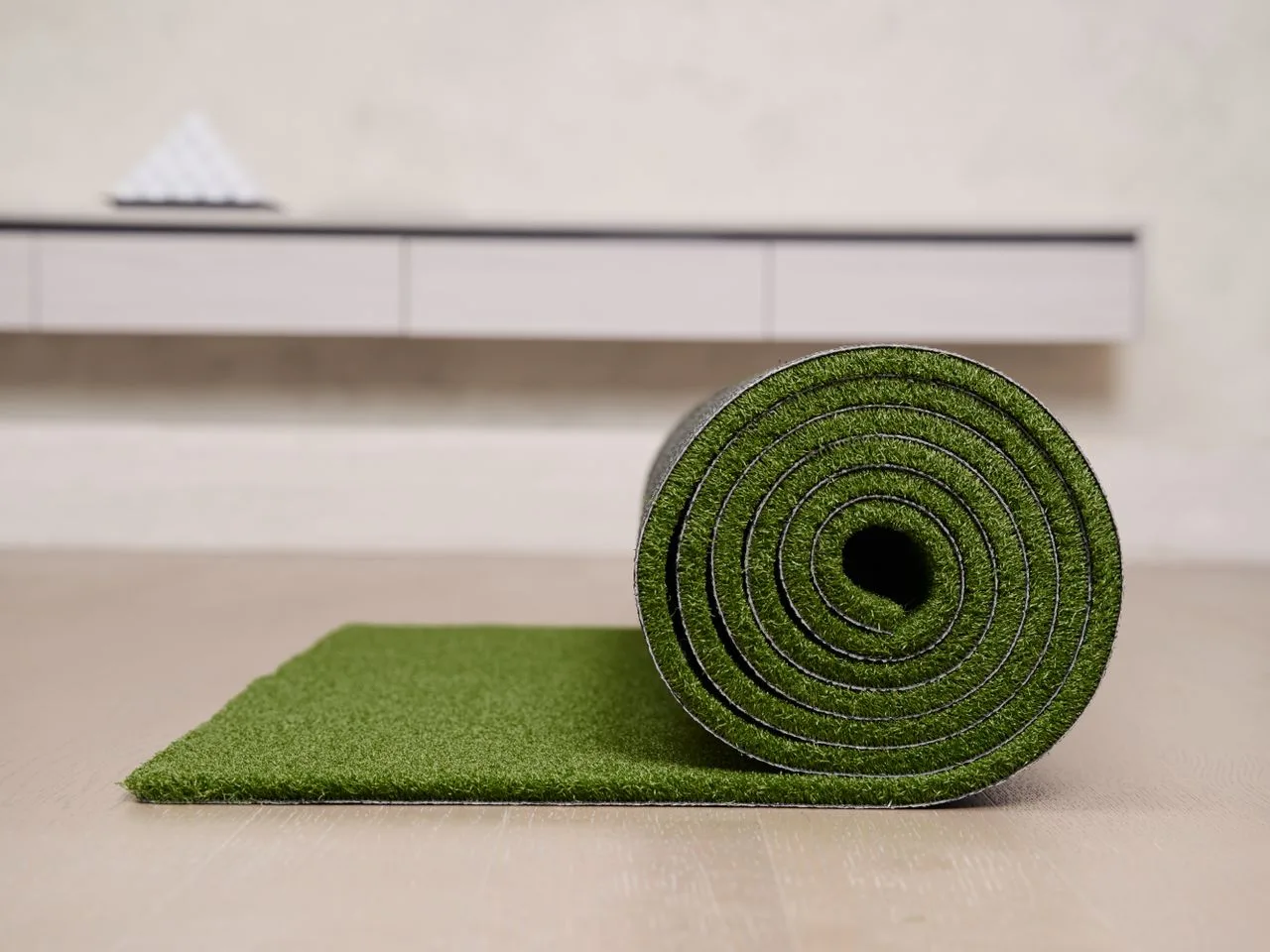
Here's what nobody mentions when you start shopping for artificial grass: the product itself is almost secondary. Installation is where everything lives or dies. Wrinkles. Pooling water. Seams that buckle after one heavy downpour. Months later, your yard looks worse than when you started. So before any deposit changes hands, slow down. Check credentials, dig into reputation, call past clients. That gap between a yard you'll love and one you'll curse every morning? It comes down almost entirely to who did the work.
Verify Licensing, Insurance, and Industry Certifications
Start here. Always. Licensed contractors have cleared background checks and met requirements set by state or local authorities — which means you have legal recourse if something goes wrong. Liability insurance covers property damage during the job. Workers' comp covers the crew if someone gets hurt on your property. Ask for proof of both. Then verify the coverage is current, not lapsed from two years ago. Industry certifications matter too — they signal that an installer pursued formal training, kept up with best practices, and actually cares about standing apart from the cheap competition. That's not a small thing.
Check References and Review Online Feedback
References are worth your time. Ask pointed questions. How did they handle surprises mid-job? Did crews show up when promised? Did the final result match what was sold to you? How did the company behave once they'd already cashed your check? Those last two cut deep. Then go to Google and check the Better Business Bureau. Don't just skim the five-star posts — dig into the negative reviews. One or two complaints buried beneath a mountain of solid feedback? Probably fine, especially if management responds without getting defensive. But recurring phrases — "missed every deadline," "ignored calls after payment," "terrible seams" — that's a pattern. Patterns don't lie.
Get Multiple Estimates and Evaluate the Consultation Process
Pull at least three estimates. Not to chase the lowest number — to see how each company reasons. Serious installers show up in person. They measure, check drainage, examine soil conditions, ask what the yard actually needs: pets, children, heavy foot traffic, aesthetic goals. All of it on-site. Artificial grass installers in Springdale that homeowners consistently trust run thorough on-site consultations — drainage conditions, base preparation, product suitability — before a single number goes on paper.
Quote given without a site visit? Walk away immediately. The estimate itself should break down every component — labor, materials, base prep, infill, drainage layers. Line by line. Cheap bids tend to skip exactly the steps that matter most: proper compaction, quality infill, adequate drainage. You'll pay for those shortcuts later, and painfully. A detailed, itemized estimate signals that the installer genuinely understands the project's scope. That understanding is what you're actually buying.
Evaluate Communication and Professionalism
Watch how they treat you before you've signed anything. Emails answered quickly? Questions addressed in plain language, not buried in jargon? Because their behavior right now previews their behavior when something goes sideways mid-installation. Insist on a written contract — scope, timeline, payment schedule, warranty terms. Everything. In writing. Before anyone sets foot in your yard with equipment. Professionalism also shows in smaller ways: does the crew clean up at the end of each day? Do they treat your property like it matters? After the job wraps, a reliable installer walks you through ongoing maintenance and stays reachable through the warranty window. That follow-through is part of what you hired them for.
Assess Product Knowledge and Warranty Coverage
An installer who fluently explains different turf types, backing materials, and infill options — weighing the actual tradeoffs for your climate and usage — knows their craft. They shouldn't default to pushing the most expensive option. They should steer you toward the right one. Quality turf carries manufacturer warranties against material defects. Installation warranties cover workmanship, typically somewhere between one and five years. Know what each covers. Know what voids them — certain chemicals, improper upkeep, specific conditions. A confident installer documents warranty terms without needing to be asked. Vagueness on warranties, reluctance to put them in writing? Red flag. It usually means they're not standing behind what they're delivering.
Conclusion
None of this is complicated. It just takes time. Verify licenses and insurance. Call references. Compare multiple estimates on what's actually included — not just the bottom line. Watch how they communicate from the first interaction. Press them on product knowledge and what their warranty actually covers. Do all of that, and you'll see clearly who deserves your trust. Trust your gut in consultations too. If something feels off, it probably is. The right installer welcomes hard questions — transparent about costs, honest about limitations, genuinely invested in the result. Pay a bit more for that if you have to. Artificial grass should look sharp, drain properly, and hold up for years. That only happens when the person laying it actually knows what they're doing.