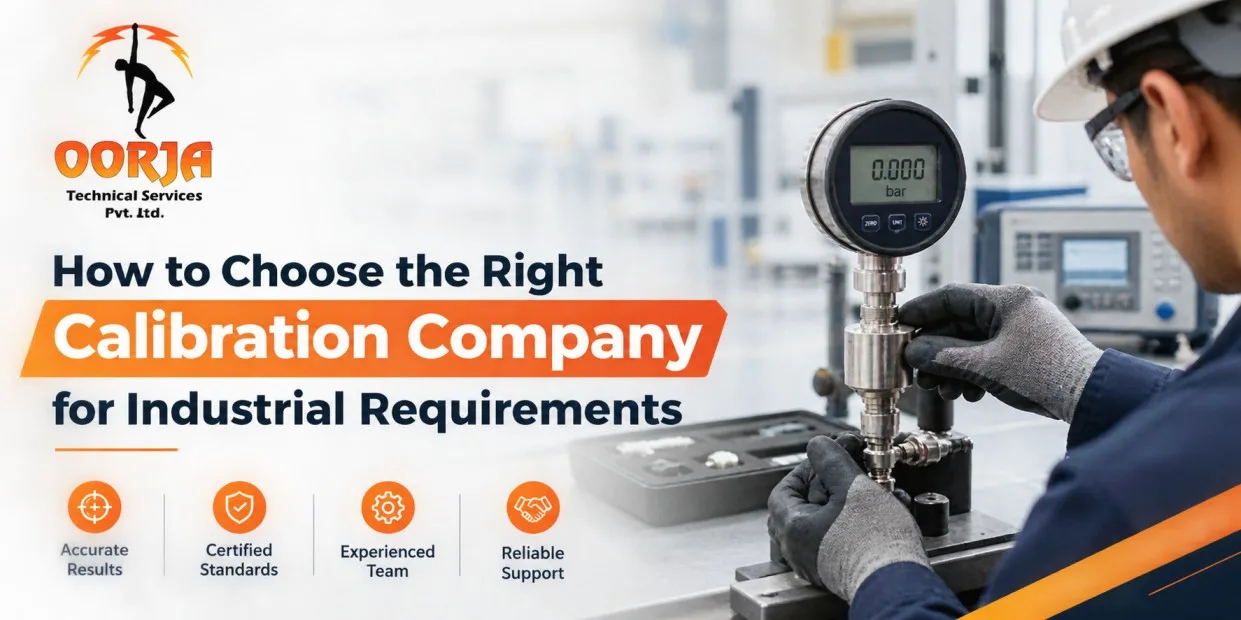
Choosing the right technical service provider is a pivotal decision for businesses that depend on pinpoint accurate measurements and mission-critical instruments. From high-throughput manufacturing facilities and automotive assembly plants to strict pharmaceutical cleanrooms and research laboratories, organisations need dependable calibration support to maintain measurement quality and operational consistency across all shifts.
What Should You Look for in a Calibration Company?
When evaluating and selecting a calibration company, businesses should thoroughly assess its technical expertise, engineering competency, service delivery capabilities, hands-on experience with relevant instruments, and ability to tailor solutions to their specific operational requirements.
It is also vital to check whether the provider holds accredited certifications (such as NABL or ISO/IEC 17025) for the required calibration scope, where applicable. Transparent documentation, unbroken measurement traceability chains, and clear, predictable service procedures empower businesses to make confident, informed partnership decisions.
Understanding Calibration and Instrumentation Requirements
Complex industrial processes often involve hundreds of interconnected measuring instruments that must operate harmoniously within strict upper and lower control limits. Calibration and instrumentation requirements vary significantly depending on the application domain, equipment type, operating pressure/temperature, and required measurement range.
Businesses should systematically identify critical measurement points, establish appropriate and cost-effective calibration intervals, and maintain organized digital archives of all past calibration results. These sound operational practices actively support quality assurance, lower scrap rates, and help drastically reduce the risk of costly measurement-related disputes or equipment failures.
Finding Calibration Services Near Your Business
Businesses frequently search for calibration services near me when they urgently require rapid on-site technical assistance, emergency instrument recalibration, or quick turnaround times for portable gauges. However, while geographic proximity offers logistical convenience, it should never be the sole selection criterion.
Before finalizing a provider, verify its comprehensive service coverage, on-site calibration capabilities, certified turnaround times, technician qualifications, and proven track record with the specific instruments requiring service. Also confirm whether the provider can meet your exact calibration requirements with responsive customer support and expert engineering consultation.
Why Professional Service and Calibration Matter
A structured, institutionalized approach to service and calibration helps businesses keep tight control over instrument performance drift, reduce unexpected failures, and maintain consistent, repeatable measurement practices across all production lines.
Companies should establish a comprehensive, year-round maintenance and calibration plan based on actual operational needs, historical instrument drift data, manufacturer guidance, and applicable international quality standards. Periodic management reviews can help identify aging equipment that requires deeper investigation, overhaul, or corrective action.
Conclusion
Choosing an appropriate calibration service provider is a strategic investment in measurement reliability and long-term quality management. By evaluating technical competence, service scope, documentation rigor, and accreditation credentials, businesses can select a trusted partner that perfectly aligns with their operational goals and compliance needs.
Oorja Technical Services Pvt. Ltd.
Email: [email protected]
Phone: +91-9907759797
Website: oorjatechnical.in