
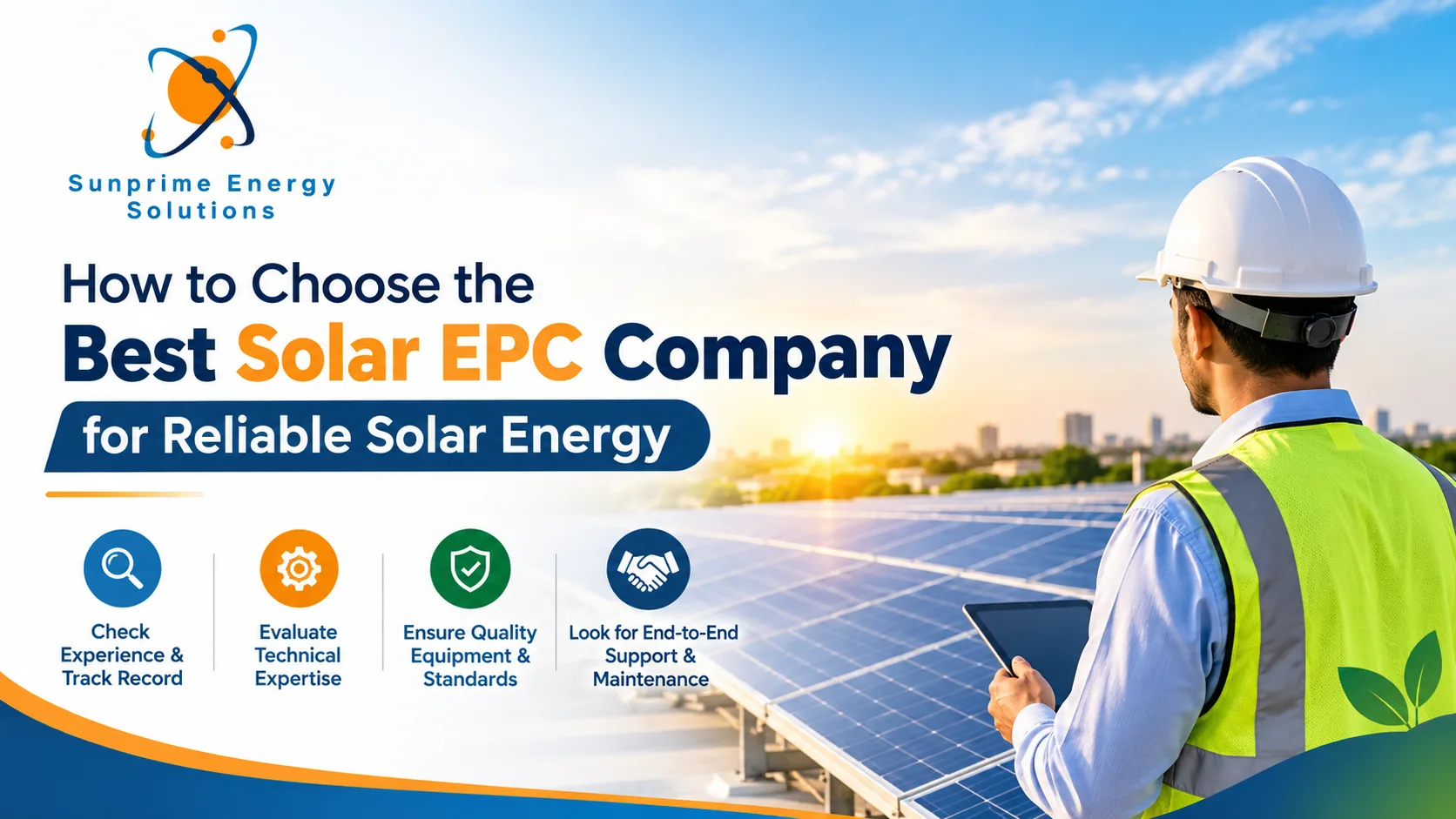
Going solar makes good sense for businesses, factories, commercial buildings, and institutions that want lower power bills and a cleaner energy mix. But here’s the thing: how well your project performs depends on more than the panels. It depends just as much on who installs them.
A Best Solar EPC company (Engineering, Procurement, and Construction) handles the whole job: planning, system design, buying equipment, installation, testing, and commissioning. Pick the right one and you get a system that performs well, lasts, and pays you back as expected. Pick the wrong one and you may spend years fixing problems. So before you sign anything, here’s what to look at.
1. Look at their experience
Experience matters more than almost anything else. A company that has done this many times knows the technical hurdles, the safety rules, and the paperwork involved. It can also suggest a setup that actually fits your power usage, your available space, and your budget.
Ask whether they’ve built projects like yours, whether that’s a commercial rooftop, an industrial plant, an institutional site, or a ground-mounted system. Go through their completed projects and talk to past clients if you can. You’ll learn a lot about how they work and how they handle problems when they come up.
2. Check how they approach design
A solar system is only as good as its design. Before suggesting a capacity, a good EPC company will study your site closely. That usually means looking at the condition and strength of your roof, checking for shading, understanding how you use electricity, and measuring the space you have.
Their engineers then use all of this to build something tailored to you. Good design cuts avoidable energy losses and gets more out of every component, and it keeps the system performing steadily over the years.
Be wary of companies that hand every customer the same standard package. Look for one that asks questions about your needs and explains why it’s recommending what it is.
3. Ask about equipment quality
Panels, inverters, mounting structures, cables, and protection equipment all affect how your system performs. Cheap components can lead to frequent maintenance, lower output, and higher running costs down the line.
Ask which brands they use, what certifications those products hold, what warranties come with them, and what kind of support the manufacturers offer. Also check that the equipment meets the relevant Indian standards and your project’s requirements.
It also helps to know the difference between two kinds of warranty. A product warranty typically covers manufacturing defects. A performance warranty guarantees how much power a solar module will produce under set conditions. A trustworthy company will walk you through both and put everything in writing before work begins.
4. Compare the full cost, not just the headline price
Price matters, of course, but the lowest quote isn’t always the best deal. A solar project includes equipment, engineering, installation, electrical work, testing, and commissioning, and different quotes may cover different things.
When you compare proposals, check exactly what’s in each one. Does the price include mounting structures, cabling, earthing, protection systems, and monitoring? What about approvals or extra civil work? Then look at the estimated energy generation, expected savings, maintenance needs, and payback period.
A well-designed system with quality parts will often serve you better than a cheaper one that needs constant repairs or underdelivers. Go with the company that gives you a clear, itemised quote and realistic numbers, not big savings promises it can’t back up.
5. Understand how they run projects
A solar installation involves a lot of moving parts: engineering, procurement, site preparation, electrical work, and commissioning. A slip at any stage can push up costs, delay the timeline, or hurt performance.But ask them how they will go about managing a project from beginning to end. What is the estimated timeframe for their task? What safety measures will they implement? How will they ensure the quality of the work?
All these processes have to adhere to the requirements for electrical safety, proper installation, and pre-handover inspections. Moreover, you must receive all necessary documentation such as equipment specifications, warranty information, and commissioning information.
6. Make sure they’ll support you after installation
Solar systems are built to run for decades, but they still need care. Dust buildup, electrical faults, inverter trouble, and damaged parts can all quietly cut your generation if nobody catches them early.
A dependable EPC partner will explain what operation and maintenance services they offer, such as inspections, performance monitoring, preventive maintenance, and troubleshooting. For commercial and industrial sites, comparing actual generation against expected output is one of the easiest ways to spot problems early.
Inquire about their responsiveness in answering service calls, whether or not they have maintenance agreements, and whether they provide technical support after installation of the system. Continuous support helps you safeguard your investment and maintain the power generation process.
7. Check that they know the regulations
Solar projects often involve electrical safety rules, grid connection, metering arrangements, and approvals from authorities or your distribution company. What applies to you depends on the project type, location, and capacity.
An experienced EPC company will already know what’s required for your project and will tell you which approvals, documents, and technical checks you’ll need. Before signing the contract, be clear about who is responsible for what when it comes to approvals, grid interconnection, inspections, and commissioning. Get every commitment in writing so there are no surprises later.
Why the right partner makes such a difference
The choice of an EPC firm cannot be confined to the installation of panels only because you will be looking for a total package which includes proper engineering, proper machinery, proper installation, compliance with regulations, and technical support too.
For industrial and business setups, a proper solar power arrangement may help cut down dependency on the grid and lower your expenses on energy management. Remember that actual savings and generation from such a solar power system will depend on design, sunshine, electricity rates, quality of machinery, and maintenance.
Final thoughts
The best Solar EPC company is the one that balances technical skill, project experience, quality equipment, solid installation standards, and long-term support. Don’t let the initial quote be the only thing you compare. Think about the value you’ll get across the whole life of the project.
A good partner will take the time to understand your energy needs, recommend a system that fits, give you clear documentation, and stay available after commissioning. Weigh these factors carefully and you can invest in solar with confidence, knowing you’re set up for efficient, sustainable, and cost-effective power for years to come.