Employee monitoring software has become an essential tool for businesses managing remote, hybrid, and in-office teams. But with dozens of options available, choosing the right solution can be overwhelming. The best software doesn't just track employee activity it provides insights that help improve productivity, simplify workforce management, and support better decision-making.
If you're evaluating employee monitoring software, here are the key factors to consider.
1. Identify Your Business Needs
Before comparing software, define what you want to achieve. Are you looking to improve productivity, track work hours, monitor project progress, or simplify payroll? Understanding your goals will help you choose a platform with the right features instead of paying for tools you may never use.
2. Look for Essential Features
Not all employee monitoring software offers the same capabilities. A good solution should include:
- Activity tracking
- Time and attendance monitoring
- Productivity reports
- Project or task tracking
- Automated timesheets
- Real-time dashboards
- Reporting and analytics
These features provide a clear picture of how work is being completed while reducing manual administrative work.
3. Choose Software That's Easy to Use
Complicated software often leads to poor adoption. Employees should be able to start tracking their work with minimal training, while managers should find reports easy to understand.
A clean interface and automated tracking make the experience smoother for everyone.
4. Prioritize Transparency
Employee monitoring should never feel like constant surveillance. Instead, choose software that promotes transparency by clearly communicating what data is collected and why.
When employees understand the purpose of monitoring, they're more likely to view it as a productivity tool rather than an invasion of privacy.
5. Look for AI-Powered Insights
Modern employee monitoring software goes beyond collecting data. AI-powered platforms analyze work patterns, identify productivity trends, and highlight workload imbalances.
These insights help managers make informed decisions without spending hours reviewing reports manually.
6. Check Reporting and Analytics
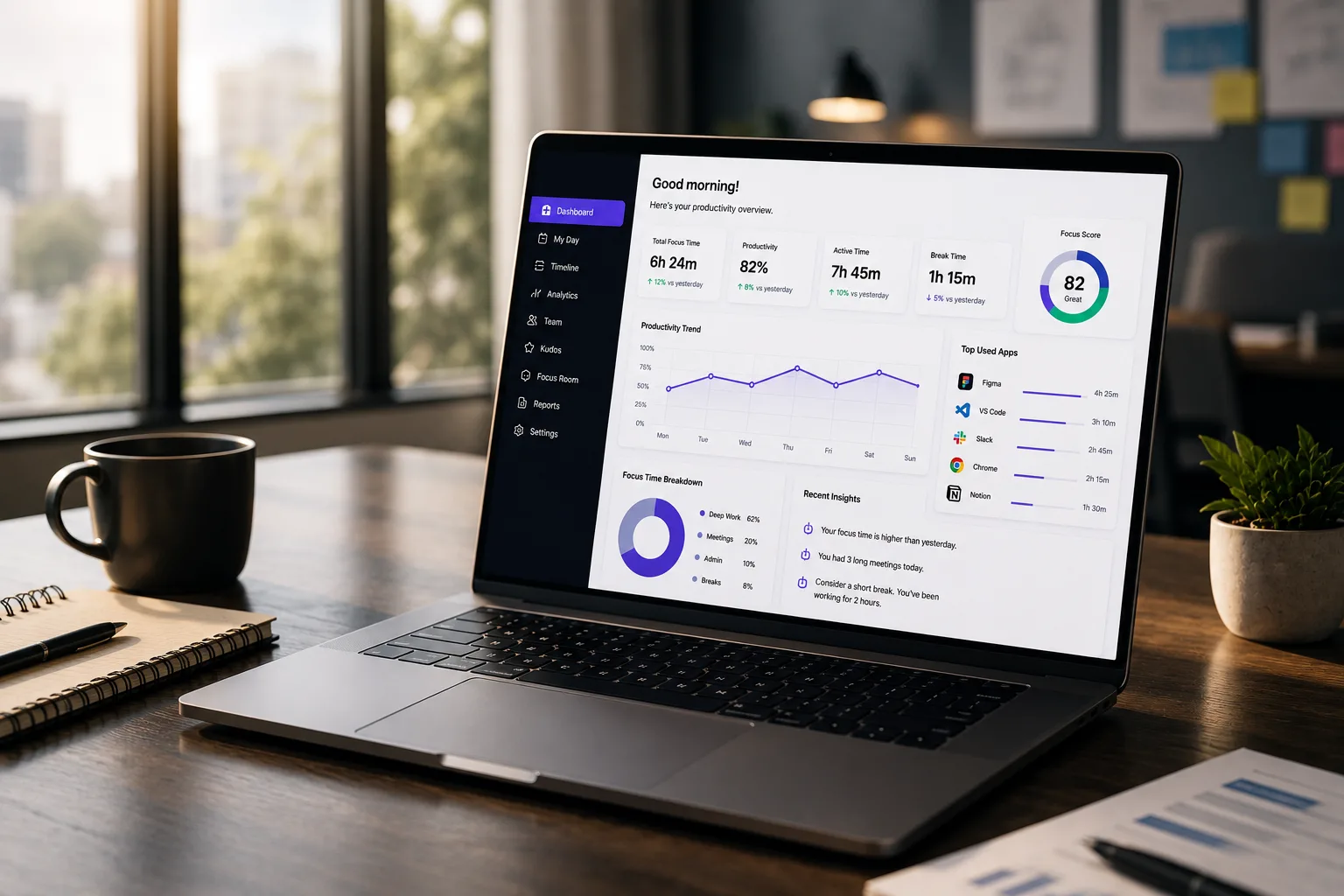
The value of monitoring software lies in its reports. Look for dashboards that provide information such as:
- Employee productivity trends
- Time spent on projects
- Attendance records
- Team utilization
- Overtime patterns
Easy-to-read reports help managers identify opportunities to improve efficiency and balance workloads.
7. Consider Integration Options
Your employee monitoring software should work with your existing tools, such as payroll systems, HR software, project management platforms, or collaboration tools.
Integrations reduce manual work and keep employee data consistent across different systems.
8. Think About Scalability
As your business grows, your software should grow with it. Choose a platform that supports additional users, departments, advanced reporting, and customizable permissions without requiring you to switch solutions later.
9. Compare Pricing Carefully
Price matters, but it shouldn't be the only deciding factor. Compare plans based on features, support, scalability, and long-term value. A slightly higher investment in the right platform can save countless hours of manual work and improve overall productivity.
Final Thoughts
The best employee monitoring software is one that helps businesses understand how work gets done while maintaining employee trust. Look for a solution that combines ease of use, transparency, AI-powered insights, useful reporting, and seamless integrations.
Rather than focusing solely on monitoring employee activity, choose software that supports better collaboration, informed decision-making, and a more productive workplace. When implemented thoughtfully, employee monitoring software benefits both employers and employees by creating greater visibility, accountability, and operational efficiency.