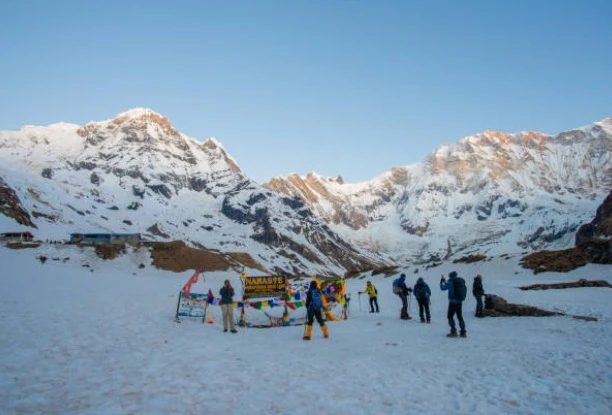
Annapurna Base Camp Trek preparation involves more than booking your flight and researching trails, it also means packing smart. The gear you bring can be the difference between a comfortable, safe, and successful trip. While reading through the Annapurna Base Camp Trek Map or working on your Annapurna Base Camp Trek Itinerary, selecting the perfect basics is super important to a hearty and pleasing experience.
Shoes: All About the Basis of the Trail
Annapurna Base Camp Trek Essential Items The single most important thing you need for the Annapurna Base Camp trek is a great pair of trekking shoes. These should be waterproof and give good ankle support, and they should be well worn in before departure. Blisters and aching feet can ruin your trip, so don’t skimp here. Bring along a few pairs of moisture-wicking socks to ensure your feet stay dry and comfortable in all conditions.
Onion Clothing: Dressed for the Weather
The weather in the Himalayas is notoriously fickle. One second it’s sunny; the next, a cold wind descends from the peaks. It’s all about smart layering, though. Begin with moisture-wicking base layers, layer on an insulating mid-layer (a fleece or lightweight down jacket works well), then top it off with a waterproof, wind-resistant outer layer. And don’t forget gloves, a warm hat, and a buff or neck gaiter.
Backpack: Light but Strong
A comfortable trekking backpack (30 – 50 liters) with a good back and adjustable straps is a must. It should be capable of holding your everyday necessities, but small enough not to weigh you down. Think about packing a small day pack if you have porters carrying your main bag. Ideally, find one with side pockets for water bottles to place the cover.
Sleeping Gear: Sleep Matters
Most teahouses on the Annapurna Base Camp Trek Itinerary offer blankets; however, a good idea to keep your sleeping bag to stay warm at night and maintain hygiene. You’ll sleep better, which is key to trekking stamina.
Basics for Navigation and Safety
Despite many trekkers who follow guides or preplanned routes, it is great to carry along the detailed Annapurna Base Camp Trek Map. It’s a way to orient yourself, especially if a person likes to read the lay of the land. And every item you might pack in a daypack (plus extra batteries for a headlamp), including sunscreen, sunglasses, and a basic first-aid kit. (Please remember water purification tablets or a filtration bottle to safely refill along the way.)
Personal and Trekking Gear
Treking poles will save your life on steep climbs and descents. Bring personal hygiene products, quick-drying towels, hand sanitizer, and toilet paper. Include routine fueling between meals with snacks like energy bars and nuts. Also helpful: Take cash in small denominations — there are few ATMs once the trek commences.
Final Tip: Pack it Light, Pack it Right
Weight is your nemesis on the trail. Each additional item is a burden on top of a burden. Stick to the basics and don’t overpack. If you’re not sure, consult with others who have already completed the trek, or search for gear checklists online.
Just select your gear well, and you will be fine for every stretch of the Trek to Annapurna Base Camp. With the proper gear, each step is comfortable, safe, and fun, letting you focus on soaking in one of Nepal’s stunning experiences.
Why You Need To Have The Right Annapurna Region Gear And What To Pack Introduction
Hiking the Himalayas is not your average adventure, and the gear you bring can make or break the trip. No matter whether you are opting for a complete Annapurna Base Camp Trek Package, trekking on a budget, or trekking to the Annapurna base camp independently, planning counts. So the Nepal Annapurna Base Camp trek requires gear that's light and warm, and also breathable while offering protection from the worst that trekkers can encounter. Changes in altitude, fickle weather, and long days of foot travel call for a carefully considered packing list. This opening statement brings the point home on the importance of choosing the right gear for comfort, safety, and success on the trail. So many people want to plan their trek to Nepal according to costs, but what gear to buy should be given just as much attention as calculating how much the Annapurna Base Camp Trek costs. Gear is the morning and evening love on the trail every Annapurna Base Camp Treks day; reliable gear is what makes a MAGICAL hike on the Annapurna Base Camp Treks.
How to Dress for the (Unpredictable) Himalayan Weather?
One of the cardinal rules of trekking is layering, and nowhere is that more important than in Annapurna. This part covers the three important layers: base, insulating, and outer shell. You’ll find out why moisture-wicking fabrics are crucial for your base layer, how fleece or down serves as the ideal insulation, and how a waterproof jacket will save you from a sudden downpour. Whether you are on a Guided Annapurna Base Camp Trek Package or you are doing individual arrangements, the weather can change suddenly. The right clothing layers determine your core body temperature, which dictates in turn, dictates whether you will overheat or succumb to hypothermia. The Annapurna Base Camp Trek Cost generally includes guides and logistics, but will depend more heavily on your gear selection in terms of comfort. With proper apparel, you can easily accommodate changes in altitude and get the upper hand as you climb ever higher.
Shoes: Protecting Your Feet and Keeping Them Happy
Your feet are everything on an a trek. We’re going to break this section down to durable, well-broken-in hiking boots that provide ankle support and are water resistant. The Nepal Annapurna Base Camp Trek will serve a steep and slippery trail, and to be done then in late August, on the fresh snow, traction control and comfort were a must. You will also discover: The importance of good trekking Socks, Liners, and even sandals for your evening recovery. No matter your choice of a more budget-friendly or luxury Annapurna Base Camp Trek Package, proper footwear makes each step easier. The Annapurna Base Camp Trek Cost may also include an investment in quality personal gear, especially your boots.
Sleeping Systems for Warm Nights in the Heights
While many Annapurna Base Camp Treks involve accommodations in teahouses (where temperatures can drop quite low at night). Introduction: How to choose a sleeping bag for the Himalaya? A sleeping bag with a comfort rating of -10 °C to -15 °C is best suited for the Himalayas. An inner sleeping liner is for warmth and cleanliness. If your trip to Nepal is part of a package tour, some equipment will be offered, but it is wearisome and not a fully comfortable use of someone else’s sleeping bag, among other things, so it is better to bring or rent. Even a cheap Annapurna Base Camp Trek will be very cold. Your energy and mental sharpness on the trail are determined by the beauty of the rest you get at night.
Backpacks and Daypacks Take the Weight of the World Off Your Shoulders
Hiking in the Annapurna region requires hauling the essentials for hours per day. In this section, I will describe how to choose a backpack with adequate back support, ventilation, adjustable straps, and a large enough volume (50 to 70L for your main pack, 15 to 25L for a daypack). A rain cover is essential. Even if your Annapurna Base Camp Trek Package features porters, you’ll still need a daypack for essentials such as water, snacks, layers, and first aid. Whether you’re on a solo Nepal trek or traveling in a group, your bag is your lifeline, containing everything from shirts to cameras. Appropriate balancing between quality and economy also allows one to handle the Annapurna Base Camp Trek Cost.
Hydration and Nutrition: How to Fuel Your Body Right
The best way to get energy to walk in the Himalayas is to stay hydrated. Read on for coverage of hydration packs, reusable water bottles, purifiers, and high-calorie goodies. Not all the water is clean in the Nepal Annapurna Base Camp Trek, so it is best that you bring a filtration system with you. Companies that offer Annapurna Base Camp Trek Packages may supply filtered water, but it is best to be prepared. You will also learn the best way to pack energy bars, trail mix, and electrolytes to keep up your strength on all-day outings. When it comes to food and water gear, prioritize so you’re never left running on empty—even when the trail is rough.
Safety, First Aid, and Trek Poles: Preparing for the Unexpected
Annapurna Base Camp Tours. The trails of the Annapurna Base Camp exit are safe for the trekkers. This section also outlines critical safety equipment: first aid kits, blisters treatment, altitude sickness medication, and trekking poles, which can help protect your joints and stability. Trek poles save you from impact through deep sand, guide you exactly where you want to place your feet, and aid in crossing the rivers and scree fields along the way. Despite an excellent Annapurna Base Camp Trek Package, personal first aid skills and equipment can be a life-saver — literally, especially if you’re heading into a hut-to-hut trek. Your ability to deal with blisters or mild altitude sickness on your own might keep a complication from becoming more serious. These are the items that will make certain your journey to Nepal is safe, fun, and worry-free.
Closing Checklist: What to Take and What to Leave Behind
And to finish it off, here’s an easy, to-the-point packing checklist that includes all the essentials you need and cuts all the rest. Some travelers overspend or overpack for fear of being unprepared. This guide strikes a balance between budget and necessity for all prospective trekkers and assists you with making intelligent choices when it comes to gear, to get the greatest value from your Annapurna Base Camp Trek cost. Whether you rent in Pokhara or bring it all with you from home, get an idea of what to pack for a lighter trail and a smarter trek. Whether you’re going on a guided trip to Nepal or planning an independent trip, this gear list prepares you for the trek.
What gear do I need for the Annapurna Circuit?
You'll need layered clothing (base, insulation, and shell), trekking boots, a sleeping bag (rated to -10°C or lower), a daypack, trekking poles, water purification tablets, headlamp, gloves, sun protection (hat, sunglasses, sunscreen), and a basic first-aid kit. Don't forget permits (ACAP & TIMS) and a map or GPS.
What to wear in Annapurna?
Wear moisture-wicking base layers, fleece or down for insulation, and a waterproof/windproof outer shell. Add a warm hat, gloves, and thermal socks. During the day, you may need lighter layers due to sun exposure, but evenings get very cold at high altitudes.
Do I need a porter for the Annapurna Circuit?
A porter isn’t required but is highly recommended if you're not used to carrying a 10–15 kg backpack for several hours daily. Porters help reduce physical strain and improve your trekking experience.
How do I prepare for the Annapurna trek?
Start training 6–8 weeks in advance with cardio (hiking, running, cycling), strength training, and stair climbing with a loaded backpack. Do long hikes on weekends, and study altitude sickness and trail logistics.