Hiking to EBC is the dream of many trekkers, and with the right motivation. It’s no longer pretty much standing on the foot of the world’s highest peak; it’s additionally approximately the entirety we come across on the journey there. The views trade dramatically with every step, from verdant forests and roaring rivers to glacier valleys and snow-capped behemoths. However, in the mad race to reach Base Camp, many visitors neglect to come to a halt and soak up what is around them.
This isn't a race; this is aapossibility to peseeome of the Earth’s best surroundings. Right here’s the way to have fun with natural natural splendor along the EB C trail, someday at a time, one step at a time.
Understand the Route: A Visual Symphony
The most common type of trek is to walk for 12 to fourteen days, going all the way through the Khumbu to the Everest Base Camp Hike. This tour starts with the thrilling flight to Lukla and a trek of about seven to 8 days. The course leads you via exclusive forms of terrain, altitude, and cultural zones that in themselves offer a visible banquet.
The following are a number of the vital villages in this direction:
Phakding
Namche Bazaar
Tengboche
Dingboche
Lobuche
Gorakshep
EBC Trek
Every one of those stops brings a sparkling attitude, geographically and emotionally.
Slow Down and Look Around
It’s easy, inside the rush to complete the trek or to maintain up with others, to fall into the rhythm of walking with your head down. however the splendor of the Himalayas isn't always most effective inside the vacation spot, it's miles in every twist and turn of the path.
Suggestions to Gradually Down:
Take some time at viewpoints: Don’t just hit the signs and symptoms designating the image spots and move. Breathe it in. Then watch the mild alternative.
Pause briefly and regularly: Use these pauses to genuinely examine your environment, not just to prevent and seize your breath.
Don’t listen to earbuds: concentrate on the sounds: rustling trees, distant yak bells, river rapids.
Learn About the Landscape
The scenery is rather more moving while you understand approximately what you’re seeing. It’s no longer simply that the Himalayas are beautiful mountains; it’s that they're geologically young, tectonically active, and teem with existence at each scale.
Key capabilities to observe for:
Putting bridges over rivers on the backside
Juneau Icefield ~8400 ft, roadside glacial moraines and icefalls close to the upper limit of the altitude range.
Dudh Koshi River: milky and strong
The Khumbu Glacier: a giant river of ice close to Base Camp
flowers and fauna: blossoming rhododendrons in spring, to the Himalayan tahr and musk deer
It’s the experience of being part of the dwelling landscape that sincerely receives you: You understand the geology and ecology of the location better.
Notice the Cultural Scenery Too
Scenery isn’t just mountains and bushes, after all — it’s human beings right here, it’s prayer flags, and the small, soulful information that animates the Khumbu.
What to look for:
Mani partitions: traces of carved stone tablets inscribed with sacred prayers
Stupas and chortens:non-secularr monuments towards a dramatic heritage
Prayer wheels: You’ll locate them in the villages and temples - spin them in a clockwise movement, as the locals do.
Monasteries, Tengboche monastery is in particular stunning, with Everest rising behind it
Sherpa houses, yak caravans: regular existence right here is the scenery
While you see ordinary people doing things in this extremely unusual setting, it affords emotional depth to the panorama and cultural context, too.
Capture the Moments—But Wisely,
yes, you’ll need to picture it. And also you ought to. But constantly being behind the camera can sometimes detach you from the enjoyment.
Better methods to record:
Snap some purpose: as opposed to taking countless pictures, pick out your shot and body it.
Mount Everest Base Camp Tour Record your thoughts: Write approximately the way the mountains made you experience, what the air smelled like, and something that amazed you.
Draw (even if you’re not an artist): To doodle a mountain top or teahouse gives you a sparkling manner of looking at the element.
And bear in mind: you’re not simply trying to show others what you noticed — you’re trying to bear in mind how it made you feel.
Sunrise and Sunset: The Magic Hours
The mild in the Himalayas transforms the whole thing. The first few and previous couple of hours of daylight have golden tones that spotlight textures and colors you’ll in no way see underneath the midday Patagonian sun.
Fine spots for mild Play:
Namche Bazaar: See the village mild up as sunrise creates shadows that stretch the length of the valley.
Tengboche Monastery has a view that is sweeping with excessive drama in the night sky.
Kala Patthar it's far the finest viewpoint to see the golden light of the solar upward thrust on Everest, catching the summit of Mt. Everest.
Gorakshep: The very last settlement till Base Camp — do live up overdue if skies are clear to watch the celebs.
Spend these moments of yours slowly. The stillness, the mild, the bigness of the arena is always unforgettable.
Engage All Your Senses
To without a doubt enjoy the panorama, appearance beyond sight. Revel in the surroundings around you through all 5 senses.
The nose: sparkling pine forests, incense from temples, bitingly cold glacial air.
Sound: Wind, damn prayer flags, footsteps on gravel, yak bells ringing.Touchh: The bloodless of the wind, the coarse floor of a mani wall, hot tea within the arms.
Flavor: warm dal bhat at the end of a chilly trek, candy yak butter tea, dried fruit, and nuts on the path.
These sensations keep you targeted inside the now, so that you take into account extra sharply and feel greater strongly.
Embrace the Changing Landscape
One of the most outstanding elements of the Everest trek is just how rapidly the terrain changes. Forests change into excessive alpine meadows that change into barren icy landscapes.
Changes using Elevation:
Lukla - Namche (2800 to 3400m): lush forest regions, rhododendron, rivers.
Namche to Dingboche (3, four hundred–4,400m): Open ground with fewer trees and craggier cliffs.
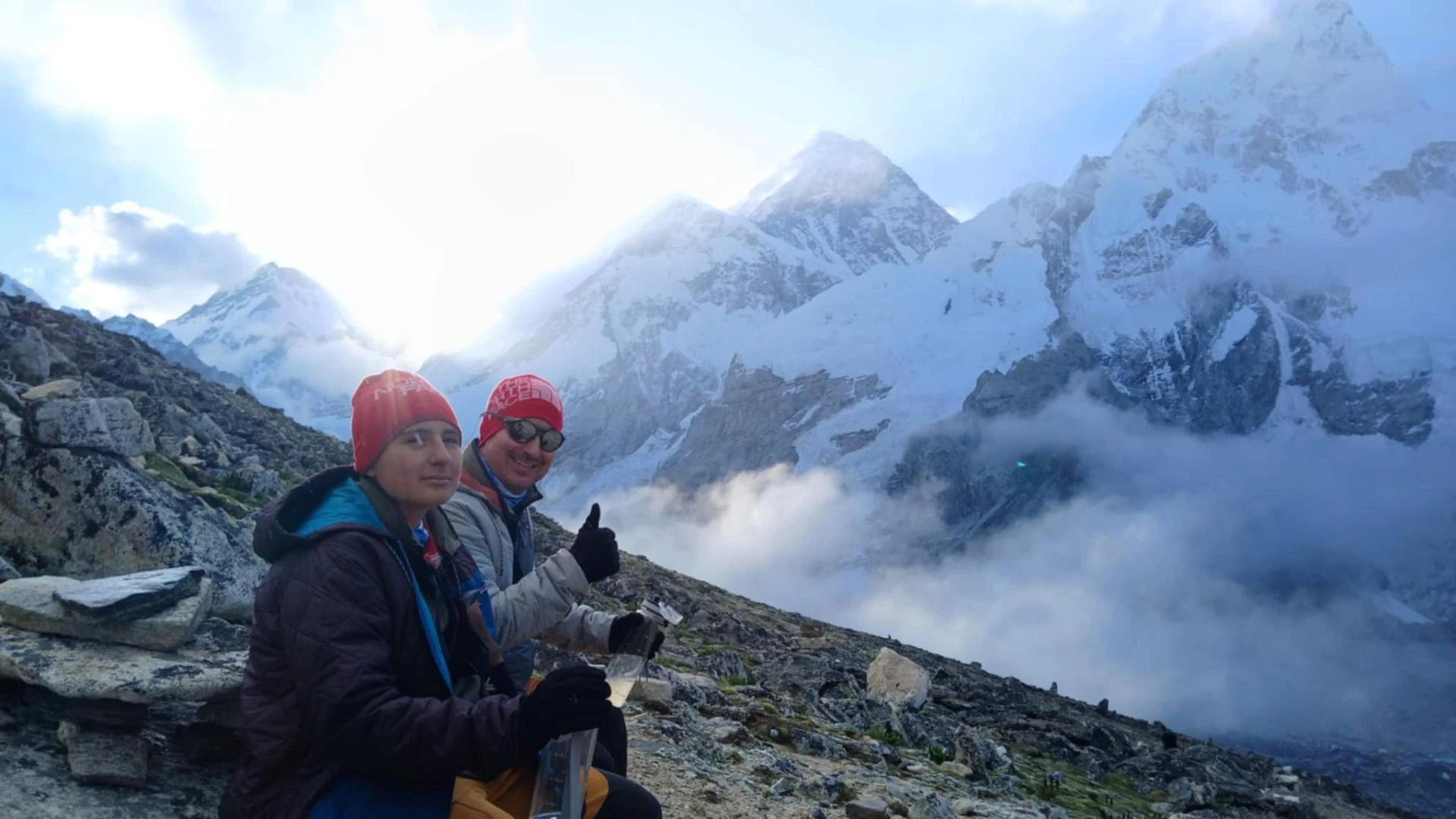
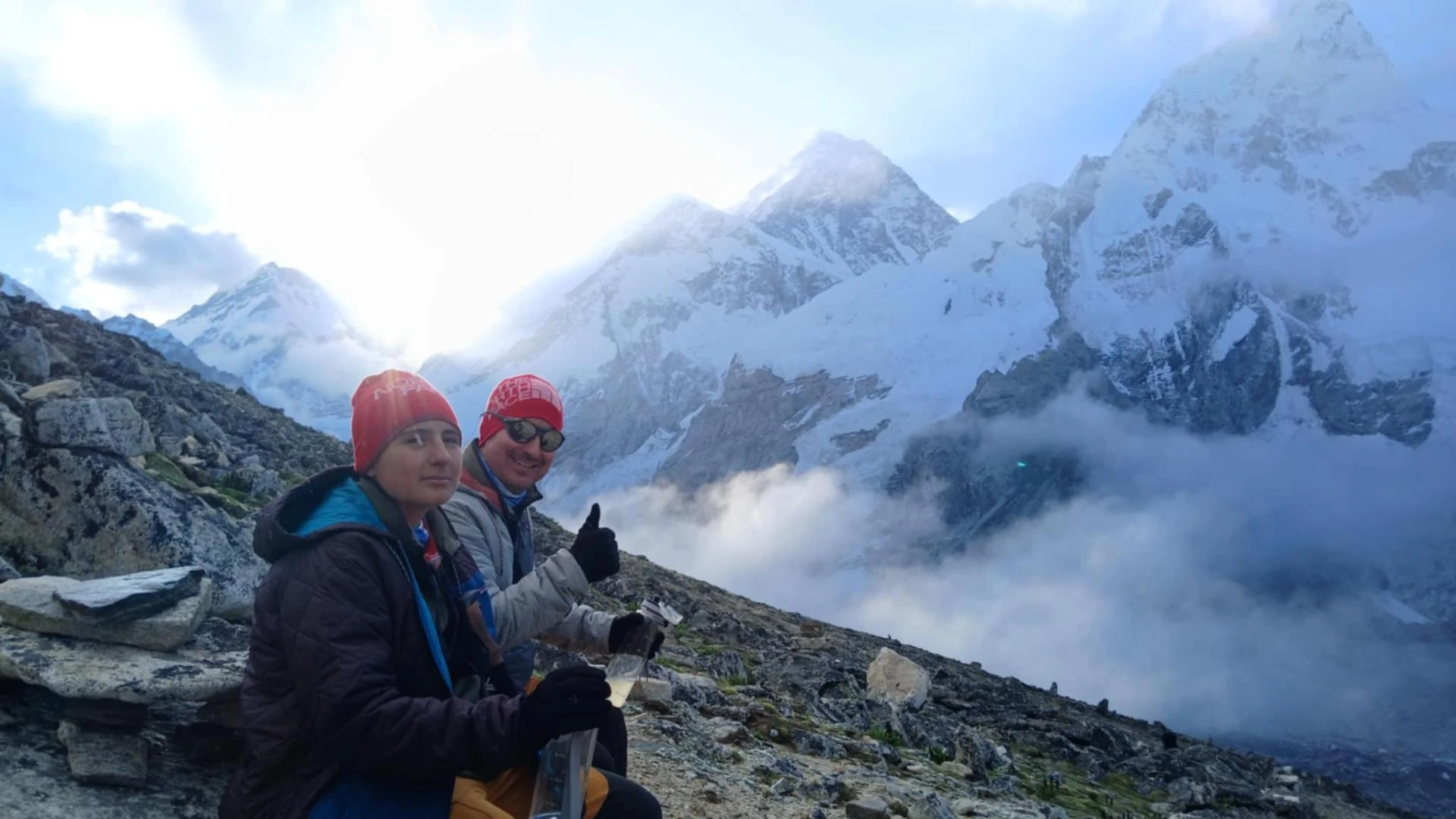
Dingboche to Base Camp (four, four hundred–five,364m): merciless, lovely, out of this world. Ice, rock, and snow dominate.
See how your frame responds as you pass through distinctive terrain. That’s no longer simply your eyes adjusting — that’s your very being adjusting to a new international.
Reflect Daily
Finish your days of hiking with a quick meditation. Whether or not with a cup of tea or in a magazine, take time to consider what you saw and how you felt.
Questions to ask yourself:
What surprised me these days?
What did I see that I’d never seen before?
What did the landscape make me feel?
And this is any such valuable habit, no longer simply because it keeps you within the present, but because those reminiscences form your private story long after the experience has ended.
very last thoughts
The EBC trek is extra than just the view of Mount Everest. it's far and ever-unfurling exploration of landscapes, approximately scale, splendor, and resilience .From the plush valleys to the frozen summits, every step is a visual present — if you have the strength to peer it.
Ultimately, taking in the surroundings is approximately being present. It’s the manner of now not being “at the pinnacle” and now not letting yourself come to a halt. If you read with open eyes and open heart, the Himalayas will come up with memories which can be really worth a lot more than pix.