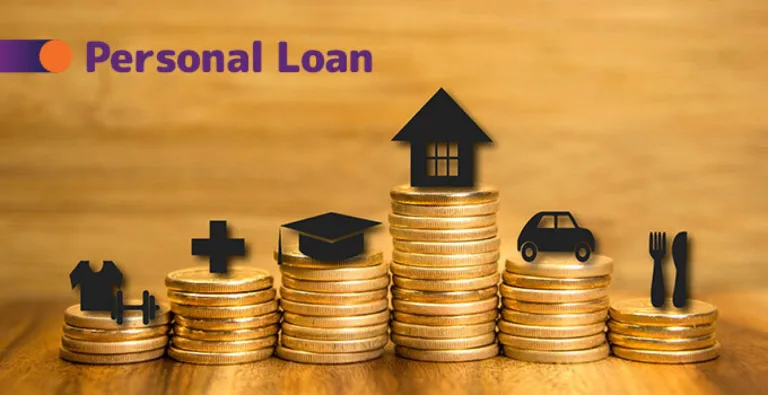
In the contemporary financial landscape, personal loans have emerged as a vital resource for individuals seeking immediate monetary aid. Whether you’re looking to fund an unexpected medical expense, consolidate debts, or fulfill other urgent financial needs, a personal loan of ₹10,000 can offer you the financial cushion you require. This article will guide you through the process of applying for and managing a personal loan effectively while leveraging secondary options like online debt consolidation loans.
Understanding Personal Loans
What is a Personal Loan?
A personal loan is an unsecured loan that can be used for a variety of financial needs. Since these loans do not require collateral, they generally come with higher interest rates compared to secured loans. The flexibility and cash benefit associated with personal loans make them popular among borrowers.
Why ₹10,000?
In India, a personal loan 10000 can be a practical solution for individuals dealing with short-term financial setbacks or looking to consolidate smaller debts. With online debt consolidation loans, for instance, you can pay off multiple smaller loans and manage your repayments seamlessly.
Steps to Apply for a Personal Loan of ₹10,000
1. Assess Your Financial Situation
Before you apply for a personal loan, it's crucial to assess your existing financial condition. Consider your income, monthly expenses, and outstanding debts. This will give you a clear picture of your ability to repay the loan comfortably.
2. Research Lenders
Many financial institutions offer personal loans with varying interest rates and repayment terms. Conduct thorough research on lenders, comparing their offers. You may also look into online lenders who provide quick personal loan approvals, making the process convenient.
3. Check Eligibility Criteria
Most lenders have specific eligibility criteria, including age, income, employment status, and credit score. In India, a good credit score can significantly enhance your chances of getting approved for a personal loan. Generally, a score above 700 is deemed favorable.
4. Gather Required Documents
Common documents needed for applying for a personal loan include:
- Identity Proof: Aadhar card, passport, or driver's license.
- Address Proof: Utility bills or rental agreements.
- Income Proof: Salary slips, bank statements, or tax returns for self-employed individuals.
- Employment Proof: A letter from your employer or company registration documents for self-employed applicants.
5. Fill Out the Application
Once you’ve selected the lender and gathered the necessary documents, proceed to fill out the application form either online or offline. Ensure all information is accurate to avoid delays in processing your loan.
6. Loan Approval and Disbursal
After submitting your application, the lender will assess your information and either approve or decline your loan request based on their criteria. If approved, the loan amount will be disbursed into your account, typically within a few hours to a few days.
Managing Your Personal Loan Effectively
1. Create a Repayment Plan
Upon receiving your personal loan, it’s essential to create a repayment plan. Calculate your monthly EMI (Equated Monthly Installments) and align it with your budget. Ideally, your EMI should not exceed 30-40% of your monthly income to ensure comfortable repayment.
2. Set Up Automatic Payments
To avoid late payment penalties or damaging your credit score, consider setting up automatic payments through your bank. This will ensure that your EMIs are deducted on time, avoiding any hassles.
3. Monitor Your Loan Account Regularly
Regularly review your loan account and EMI payments. This will help you stay informed about your outstanding balance and repayment timeline. It will also provide insights into how much interest you have paid over the life of the loan.
4. Explore Prepayment Options
If your financial situation improves, consider prepaying a portion of your loan. Many lenders allow partial prepayment without hefty charges. This reduces your principal amount and future interest obligations, making it easier to manage your loan.
5. Refine Your Budget
Adjust your monthly budget to accommodate your loan repayments. This may involve cutting unnecessary expenses temporarily. By doing so, you can ensure that your loan repayment does not strain your finances.
6. Look Into Online Debt Consolidation Loans
If you have multiple debts, managing them can become challenging. Online debt consolidation loans are a viable option to combine all your debts into a single loan with a lower interest rate. This simplifies repayment and enhances your credit management strategy.
Tips for a Smooth Personal Loan Experience
1. Maintain a Healthy Credit Score
Keep your credit score healthy by ensuring timely payments on all your debts. A good credit score improves your chances of receiving favorable terms on any future loans.
2. Avoid Taking Multiple Loans Simultaneously
While it might be tempting to apply for multiple personal loans for various needs, it's advisable to focus on one loan at a time to avoid financial instability.
3. Seek Financial Advice if Needed
If you’re unsure about your financial situation or how to handle your loan, consider seeking advice from a financial advisor. They can provide insights tailored to your specific needs and circumstances.
Conclusion
Navigating the landscape of personal loans can be daunting, but with the right approach, it can lead to enhanced financial stability. Whether you’re applying for a personal loan of ₹10,000 or managing existing debts through online debt consolidation loans, understanding the process and executing effective management strategies will set you on a path towards financial well-being. By planning meticulously and keeping an eye on your finances, you can ensure that a personal loan serves as a stepping stone to your financial goals rather than a source of stress.