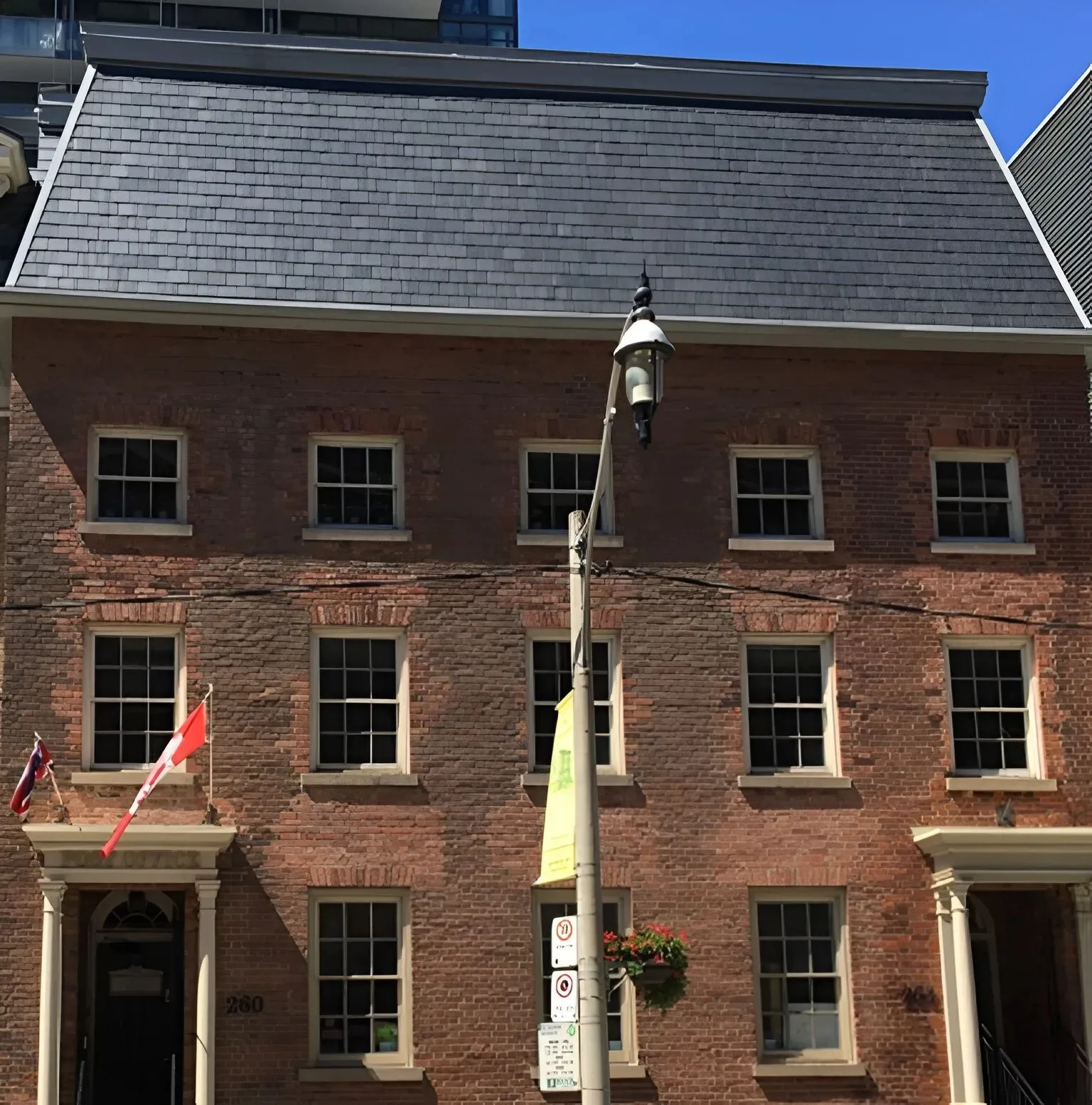
A roof plays an important role in defining the appearance of a building. While its shape and structure influence the overall design, colour can change how the entire property looks from the street. Natural roofing materials offer a variety of shades and textures, allowing homeowners and architects to create designs that complement different architectural styles. Understanding these options makes it easier to choose a roof that feels connected to the building rather than appearing as a separate feature.
Why Roof Colour Matters in Architectural Design
Roof colour influences the visual balance of a property. Dark shades can create a strong contrast against light exterior walls, while softer grey and green tones often blend naturally with stone, brick, and landscaped surroundings. Purple and red varieties can introduce character without requiring additional decorative features.
When selecting a colour, it helps to consider the building as a complete composition. Exterior walls, window frames, doors, gutters, and surrounding materials all contribute to the final appearance. A colour that looks attractive on a small sample may appear different when installed across an entire roof.
Natural stone roofing provides an interesting advantage because its colours and textures come from geological processes. Subtle variations in grain and shading create a distinctive appearance that manufactured materials may struggle to reproduce consistently. These natural details can add depth to both traditional homes and contemporary buildings.
Matching Roofing Colours With Different Home Styles
Traditional homes often benefit from colours that reflect established architectural features. Black, charcoal, and grey roofing can complement symmetrical designs, brick exteriors, and classic stonework. These shades provide a restrained appearance that allows decorative trim and architectural details to remain prominent.
For homes with contemporary designs, colour selection can be more experimental. Green and purple shades can create contrast against neutral walls, while mixed-colour arrangements introduce visual interest across broad roof surfaces. The choice depends on whether the intended result is subtle coordination or a more distinctive architectural statement.
Slate tile roof can suit a range of architectural styles because natural stone is available in different colours, sizes, and textures. Selecting a shade that relates to the exterior materials helps create a consistent design. Architects may also consider the roof's shape, surrounding buildings, and landscape before finalising the specification.
Understanding Unfading and Weathering Colours
One important consideration is how the roofing material may look as it ages. Natural roofing slate is commonly described as either unfading or weathering, depending on its mineral composition and expected colour changes.
Unfading varieties are selected when maintaining a relatively consistent appearance is important. Black, green, and purple options can provide lasting colour characteristics that suit homeowners who prefer a predictable exterior design.
Weathering varieties may gradually develop softer brown, buff, or other earthy tones as they are exposed to the elements. These changes can contribute to a building's character, particularly when the surrounding architecture incorporates natural stone, timber, or traditional masonry.
Neither option is automatically better for every property. The decision depends on the desired appearance over time. Reviewing samples and understanding the expected weathering characteristics can help prevent surprises after installation.
Creating Interest With Multiple Colours
A roof does not always need to rely on one uniform shade. Combining different natural colours can create patterns, subtle transitions, or a varied surface that adds depth to the building.
For example, grey and black can produce a restrained contrast, while green and purple introduce more noticeable variation. A carefully planned blend can also help connect the roof with several exterior materials without making the overall design feel disjointed.
When planning a slate tile roof with multiple colours, consistency in the distribution of each shade is important. Random variations may create a natural effect, whereas deliberate arrangements can produce a more formal pattern. The design should be established before installation so the finished surface reflects the intended appearance.
Colour blending also requires attention to the characteristics of the selected slate. Differences in thickness, size, and weathering behaviour can influence the finished result. Coordinating these details with the roofing specification helps maintain both visual balance and practical performance.
Considering Light, Surroundings, and Roof Size
The surrounding environment can change how a roofing colour is perceived. A shade that appears dark in a showroom may look lighter under direct sunlight. Nearby trees, neighbouring buildings, and the direction of the roof slopes can also affect its appearance throughout the day.
Roof size matters as well. A large roof makes colour variation more noticeable because the material covers a substantial part of the building's exterior. Smaller roofs may accommodate stronger colour contrasts without overwhelming the design.
It is useful to compare samples outdoors and view them against the actual exterior materials. Photographs of completed projects can provide additional inspiration, although lighting and camera settings may affect how colours appear on screen.
Homeowners should also consider the long-term setting. Architectural preferences may change, but a carefully chosen natural colour can remain compatible with different exterior updates. Neutral shades often provide flexibility, while distinctive colours can become a defining feature of the property.
Balancing Appearance With Practical Requirements
Visual appeal should be considered alongside the technical requirements of a roofing project. The selected material must be appropriate for the roof structure, slope, exposure, and installation method. Colour preferences should not replace decisions about material quality or correct installation.
Natural roofing slate is available in a broad range of shades, but each option should be evaluated according to its specifications and expected performance. Working with experienced roofing professionals can help ensure that design decisions align with structural and installation requirements.
A slate tile roof should also be planned with attention to the surrounding roof components, including flashing, drainage, and compatible fasteners. These details contribute to the roof's ability to manage water and perform reliably over time. A coordinated design approach helps prevent attractive visual choices from creating avoidable installation problems.
Making a Confident Design Choice
Choosing a roof colour involves more than selecting a favourite shade. The strongest results come from considering architectural style, exterior materials, natural lighting, colour stability, and the proportions of the building together.
By reviewing samples, exploring different combinations, and understanding how natural stone changes with age, homeowners can make informed decisions that support the character of their property. A thoughtfully designed roof can complement the building for decades while maintaining the distinctive appearance that makes natural materials appealing.