You reach for whatever pen is lying on the desk and start scribbling a note, only to realize something is off. The ink skips halfway through a word. The grip feels slippery. Most of us don't think twice about the pen in our hand — until it starts working against us.
That's the whole story behind why the ball pen you choose matters more than it seems. A good one disappears into the background and lets your thoughts flow onto paper. A bad one interrupts you constantly.
Somewhere between the two sits Pentonic, a brand built around the idea that everyday writing tools should just work. So, what actually makes a ball pen worth keeping in your bag, your drawer, or your exam kit?
Why the Right Ball Pen Matters?
A pen shapes the entire physical act of writing. When ink flows smoothly, you naturally use less pressure, and your hand doesn't tire as quickly. A grip that fits your fingers makes a real difference during longer writing stretches, whether that's a meeting or an exam.
Consistent line width matters too — it's what makes handwriting look neat instead of patchy, and it's often the difference between notes you'll revisit and ones you'll squint at later. Better control usually means better speed.
For students, a reliable ball pen can make that difference even more noticeable, especially when consistency matters more than unnecessary extras. That's where Pentonic offers a practical option.
Pentonic Ball Pen for Everyday Writing
Think about how much writing happens in an average week — office notes, school homework, a shopping list, forms at the bank, a signature you sign without even looking. None of these moments are glamorous, but each one needs a pen that simply cooperates.
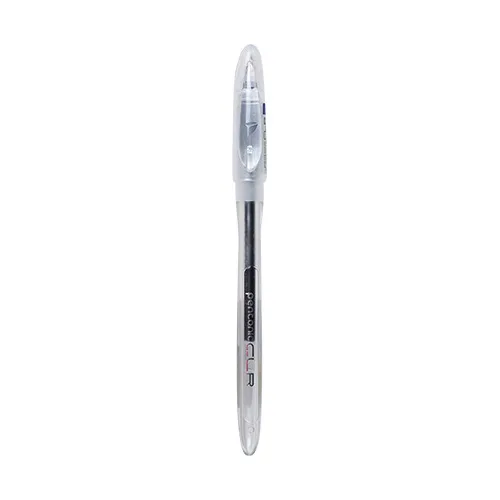
This is where a dependable Pentonic ball pen earns its place. It isn't built around one use case — it's built for the dozens of small writing tasks that fill an ordinary day, with ink that lays down smoothly and a barrel that sits comfortably in the hand.
How a Comfortable Ball Pen Makes Long Writing Easier?
Any pen can seem fine for a sentence or two. It's the fourth page that tells the real story. Poorly designed pens show their weaknesses once you're writing continuously — fingers cramp, the grip tightens without you noticing, and you press harder just to keep the ink flowing.
A genuinely comfortable ball pen should feel almost invisible in your hand, even after pages of writing. It is important for students who attend lectures back-to-back, professionals working on long reports, or anyone who journals on a regular basis.
Pentonic’s grip and balance are made for longer writing sessions and help to create a comfortable experience while writing for long periods.
What Makes the Best Ball Pen for Exam Writing?
Everyone who has sat in an exam hall knows the feeling: the clock is ticking, your hand is moving quickly, and the last thing you want is a pen that skips or blots at the worst possible moment.
So what should students actually be looking for in the best ball pen for exam writing?
- Smooth, uninterrupted ink flow
- A grip that stays comfortable under pressure
- Consistent line thickness from start to finish
- Reliable control at faster writing speeds
None of this requires the most expensive pen on the shelf — often it just requires a reliable one, which is why the best ball pen for exam writing usually comes down to consistency over price. This is the gap Pentonic aims to fill for students.
Finding the Best Ballpoint Pen for Writing
Here's the truth: the best ballpoint pen for writing isn't the same for everyone. Someone who presses hard will want a different tip than someone with a lighter hand.
A few factors are worth checking:
- Tip size, since finer tips suit smaller handwriting
- Ink flow consistency across the page
- How the grip feels over time, not just in the first minute
- Your natural writing pressure and the paper you usually use
Judge a pen by how it feels after ten minutes of real writing, not by how it looks on a shelf. Pentonic fits comfortably into this everyday category, making it a practical option for different writing habits.
A Ball Pen for Different Writing Needs
Not everyone reaches for a pen for the same reason. Students need something steady for notes and exams. Professionals rely on a pen for meetings and forms. At home, it's shopping lists and paperwork. Journal writers need something that handles longer sessions without wearing out the hand.
A genuinely versatile ball pen should move between these situations without missing a beat. Pentonic works well as that kind of everyday companion — one pen that doesn't need to be swapped out depending on the task in front of you.
How to Choose the Right Ball Pen?
If you're standing in front of a shelf full of options, a short checklist helps more than any spec sheet:
- Does the ink flow smoothly without skipping?
- Does it still feel comfortable after a few pages?
- Is the grip genuinely easy to hold?
- Does it produce consistent, even lines?
- Can you rely on it for something important, like a signature or an exam?
- Does a Pentonic ball pen tick these boxes for your everyday use?
Answering these honestly narrows the choice down fast — and saves you from buying another pen that ends up abandoned in a drawer.
Conclusion
A pen is such a small thing that it's easy to forget how much it affects your day. But once you've dealt with skipping ink, an awkward grip, or lines going patchy down a page, you notice fast.
It really comes down to one idea: the right ball pen changes how writing feels, whether you're taking notes, filling out a form, racing through an exam, or journaling at night. Smooth ink, a comfortable grip, steady control, and reliability aren't extras — they're what separates a pen you reach for again and again from one left forgotten in a drawer.
Pentonic fits into this picture very naturally as a practical, everyday option focused on these qualities. A good ball pen shouldn't be something you think about at all – it should just let you write.