Introduction
Pain and physical limitations can significantly affect daily activities, work performance, and overall quality of life. Whether caused by an injury, surgery, repetitive strain, or a chronic condition, pain often limits mobility and reduces independence. Physiotherapy plays an important role in helping individuals manage pain, restore movement, and recover physical function through personalized treatment approaches.
By combining movement-based therapies, manual techniques, education, and rehabilitation exercises, physiotherapy supports both short-term recovery and long-term physical well-being.
Understanding the Connection Between Pain and Physical Function
Pain is the body's natural response to injury, inflammation, or dysfunction. While acute pain typically resolves as healing occurs, chronic pain may persist and impact muscles, joints, and movement patterns. Reduced activity caused by pain can lead to stiffness, weakness, and decreased flexibility, creating a cycle that further affects recovery.
Physiotherapy addresses these challenges by identifying the underlying causes of discomfort and developing strategies to improve physical function while managing symptoms.
How Physiotherapy Helps Manage Pain
Manual Therapy Techniques
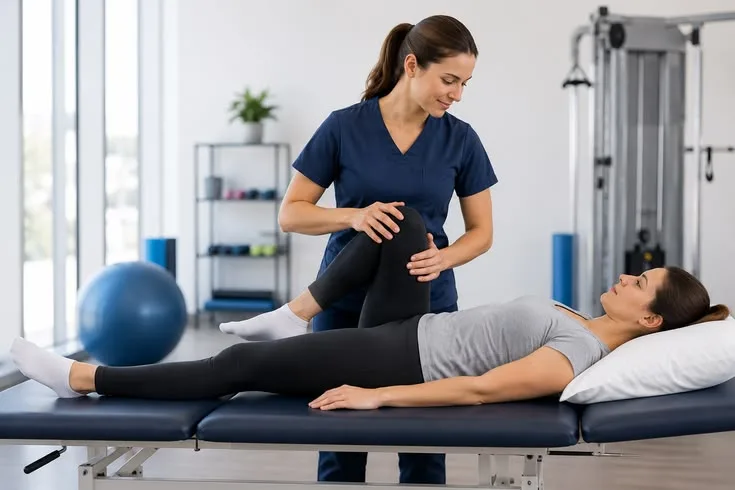
Hands-on treatment methods are commonly used to reduce muscle tension, improve joint mobility, and support tissue healing. These techniques may include soft tissue mobilization, joint mobilization, and stretching interventions that help decrease discomfort and improve movement.
Therapeutic Exercise Programs
Exercise is a key component of physiotherapy. Targeted exercises help strengthen muscles, improve flexibility, and enhance stability around affected joints. Gradually increasing physical activity can also help individuals regain confidence in movement while reducing pain-related limitations.
Posture and Movement Correction
Poor posture and inefficient movement patterns often contribute to ongoing pain. Physiotherapists assess how the body moves during daily activities and recommend corrective strategies that reduce strain on muscles and joints.
Education for Long-Term Pain Management
Understanding the factors that contribute to pain is an important part of recovery. Physiotherapy provides individuals with practical guidance on body mechanics, workplace ergonomics, activity modification, and self-management techniques that support long-term health.
The Role of Physiotherapy in Physical Recovery
Recovery After Injuries
Injuries involving muscles, ligaments, tendons, and joints often require structured rehabilitation. Physiotherapy helps restore strength, flexibility, and coordination while promoting safe healing. Early intervention can also help reduce the risk of future complications.
Post-Surgical Rehabilitation
Following surgery, patients may experience pain, swelling, stiffness, and reduced mobility. Physiotherapy supports recovery through progressive rehabilitation programs designed to restore movement and improve functional outcomes.
Sports Rehabilitation
Athletes and active individuals frequently benefit from physiotherapy after sports-related injuries. Rehabilitation programs focus on improving strength, mobility, balance, and sport-specific performance while helping individuals return to activity safely.
Chronic Condition Management
Physiotherapy can assist individuals living with conditions such as arthritis, chronic back pain, neck pain, and mobility limitations. Regular treatment and exercise programs help improve function and support active living.
Benefits of Physiotherapy for Overall Health
Physiotherapy offers several benefits beyond pain relief and injury recovery, including:
- Improved mobility and flexibility
- Enhanced muscle strength and endurance
- Better balance and coordination
- Reduced risk of recurring injuries
- Increased independence in daily activities
- Improved physical performance
- Greater confidence in movement
These benefits contribute to a healthier and more active lifestyle over time.
Conditions Commonly Treated Through Physiotherapy
Physiotherapy may be recommended for a variety of conditions, including:
- Back and neck pain
- Sports injuries
- Joint pain and stiffness
- Post-surgical recovery
- Workplace injuries
- Muscle strains and sprains
- Arthritis-related discomfort
- Pelvic floor dysfunction
- Pediatric developmental concerns
- Balance and vestibular disorders
Treatment plans are tailored to the individual's condition, goals, and physical abilities.
Why Early Rehabilitation Matters
Seeking treatment early can often improve recovery outcomes. Delaying rehabilitation may lead to reduced mobility, muscle weakness, and prolonged discomfort. Early physiotherapy intervention helps identify potential barriers to recovery and creates a structured plan for restoring physical function.
Consistent treatment and active participation in rehabilitation exercises can contribute to faster progress and better long-term results.
Choosing a Patient-Centered Physiotherapy Approach
Successful rehabilitation requires more than symptom management. A patient-centered physiotherapy approach focuses on understanding individual needs, lifestyle demands, and recovery goals. Personalized treatment plans help address the root causes of pain while supporting sustainable improvements in physical health.
Combining assessment, education, exercise, and rehabilitation strategies allows individuals to take an active role in their recovery journey.
Conclusion
Physiotherapy plays a valuable role in pain management and physical recovery by helping individuals improve mobility, restore strength, and regain functional independence. Through evidence-based treatment techniques and personalized rehabilitation programs, physiotherapy supports recovery from injuries, surgery, and chronic conditions while promoting long-term physical well-being.
Whether managing ongoing discomfort or recovering from a recent injury, physiotherapy provides practical solutions that help individuals move more comfortably and participate fully in everyday life. For individuals seeking physiotherapy, massage therapy, acupuncture, pelvic floor physiotherapy, sports rehabilitation, or pediatric rehabilitation services, Vertex Physiotherapy Edmonton offers personalized treatment plans designed to support recovery, improve movement, and enhance overall physical function. By focusing on individual needs and long-term wellness, the clinic helps patients work toward their rehabilitation and health goals with confidence.