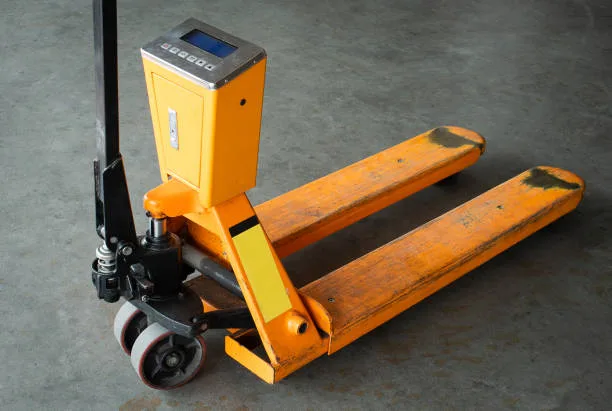
Warehouses handle large volumes of goods every day, making accurate and efficient weighing an important part of inventory management, dispatch and logistics operations. From receiving incoming stock to preparing shipments, businesses need reliable ways to measure pallet weights without slowing down their workflows.
This is where pallet scales make a difference. Designed to weigh palletised goods quickly and accurately, these industrial weighing systems help warehouses reduce manual handling, improve inventory accuracy and streamline daily operations.
Whether used in distribution centres, manufacturing facilities or freight warehouses, pallet scales can improve productivity by making weighing processes faster, safer and more consistent.
What Are Pallet Scales?
Pallet scales are industrial weighing systems designed to measure the weight of goods placed on standard pallets. They typically feature a low-profile platform or U-shaped frame that allows forklifts and pallet jacks to position loads for weighing.
Unlike conventional floor scales, some pallet scales are specifically designed to accommodate palletised goods, making them suitable for busy warehouse environments where frequent weighing is required.
Depending on the model, pallet scales may include digital weight indicators, rechargeable batteries, portable designs and different weight capacities to suit various applications.
They are commonly used in warehouses, distribution centres, manufacturing plants, freight facilities and logistics operations.
7 Ways Pallet Scales Improve Warehouse Productivity
Pallet scales do more than measure the weight of goods. They help streamline several warehouse processes, reducing delays and improving operational efficiency.
1. Speed Up Weighing Operations
Manual weighing methods can be time-consuming, particularly when warehouse staff handle multiple pallets throughout the day.
Pallet scales simplify the process by allowing operators to weigh palletised goods directly without transferring products to another weighing system.
Forklift operators can position pallets on suitable scales, record the displayed weight and continue with their tasks. This reduces unnecessary handling and helps maintain a smoother workflow.
Faster weighing is particularly valuable in high-volume warehouses where even small time savings across multiple transactions can improve overall productivity.
2. Reduce Manual Handling and Improve Workplace Safety
Moving heavy goods between different weighing equipment and storage locations increases the amount of manual handling required.
Pallet scales help minimise these movements by allowing goods to be weighed in their existing palletised condition.
This can reduce unnecessary lifting, repositioning and handling activities, helping lower the risk of workplace injuries.
Choosing a suitable scale with an appropriate platform design and weight capacity also helps operators weigh loads more safely and efficiently.
3. Improve Inventory Management Accuracy
Accurate weight measurements can support better inventory control, particularly for warehouses handling bulk materials, raw goods and packaged products.
Pallet scales allow staff to record the weight of incoming and outgoing pallets, helping businesses maintain more reliable stock records.
When integrated into warehouse management or inventory systems, weighing information can also support stock reconciliation, goods tracking and reporting.
This helps businesses identify discrepancies, monitor stock movements and make better inventory management decisions.
4. Streamline Shipping and Dispatch Processes
Accurate pallet weights are important when preparing goods for transportation.
Incorrect weight information can cause shipping delays, freight calculation errors and issues with vehicle load planning.
Pallet scales allow warehouse teams to weigh shipments before dispatch, providing useful information for freight documentation and transport arrangements.
By checking pallet weights before goods leave the facility, businesses can improve dispatch accuracy and reduce the likelihood of costly corrections.
5. Support Better Space and Load Planning
Warehouse productivity depends on how effectively businesses use available storage and transportation capacity.
Knowing the weight of palletised goods helps operators make informed decisions about stacking, storage and load distribution.
Pallet weight information can support:
- Storage allocation based on load capacity.
- Safer stacking and handling decisions.
- Better vehicle load distribution.
- More effective freight planning.
- Improved management of weight restrictions.
This helps warehouse teams organise goods more efficiently while considering relevant equipment and transport safety limits.
6. Minimise Weighing Errors and Operational Delays
Manual weight recording and inconsistent weighing practices can lead to mistakes, particularly when multiple employees handle stock throughout the day.
Digital pallet scales provide clear weight readings, helping reduce transcription errors and improve consistency.
Some models also offer functions such as tare weighing, accumulation and connectivity options, depending on the equipment configuration.
These features can simplify weighing tasks, reduce repetitive calculations and help staff complete warehouse processes more efficiently.
7. Improve Overall Warehouse Workflow
One of the biggest advantages of pallet scales is their ability to fit into existing warehouse operations.
Depending on their design, they can be installed in designated weighing areas or positioned where incoming and outgoing goods are handled.
Portable models can also provide greater flexibility for facilities that need to weigh goods across different work areas.
By reducing unnecessary product movement and integrating weighing into existing workflows, pallet scales help warehouses maintain efficient material handling operations.
How to Choose the Right Pallet Scale for Your Warehouse
Selecting the right pallet scale depends on the type of goods handled, weighing frequency and operating environment.
Consider the following factors before purchasing:
Weight Capacity: Choose a pallet scale with sufficient capacity to accommodate your heaviest expected loads. Allow for the weight of the pallet itself.
Platform Design: Consider U-shaped pallet scales, low-profile platforms or other suitable designs based on your forklift and pallet jack requirements.
Accuracy and Readability: Check the scale's measurement accuracy and display resolution to ensure it meets your operational requirements.
Portability: If weighing is required across different warehouse areas, a portable model with a suitable power supply may be beneficial.
Digital Indicators: Look for clear digital displays and useful weighing functions such as tare, accumulation and unit conversion.
Durability: Warehouse equipment must withstand frequent use and demanding working conditions. Consider construction materials, environmental protection and ease of maintenance.
Connectivity: If you need to transfer weight information to inventory or warehouse management software, check the available data communication options.
Why Regular Pallet Scale Calibration and Maintenance Matter
Even reliable industrial weighing equipment requires regular checks to maintain consistent performance.
Over time, frequent use, overloading, impact and environmental conditions can affect weighing accuracy.
Routine pallet scale maintenance helps identify potential issues before they disrupt warehouse operations.
Businesses should arrange periodic calibration and verification based on equipment specifications, usage conditions and applicable measurement requirements.
It is also important to keep weighing platforms clean, inspect cables and connectors, check for physical damage and avoid exceeding the scale's rated capacity.
Working with an experienced weighing equipment service provider can help ensure pallet scales remain accurate, dependable and suitable for ongoing warehouse operations.
Improve Warehouse Efficiency with the Right Pallet Scales
Pallet scales are valuable tools for warehouses looking to improve weighing accuracy, reduce unnecessary handling and streamline inventory and dispatch processes.
By choosing the right weighing equipment and maintaining it regularly, businesses can create more efficient workflows, improve stock management and support safer material handling operations.
Whether you operate a small warehouse or a large distribution centre, investing in suitable pallet weighing equipment can help improve productivity across your daily operations.