My Skin Changed, and So Did My Needs
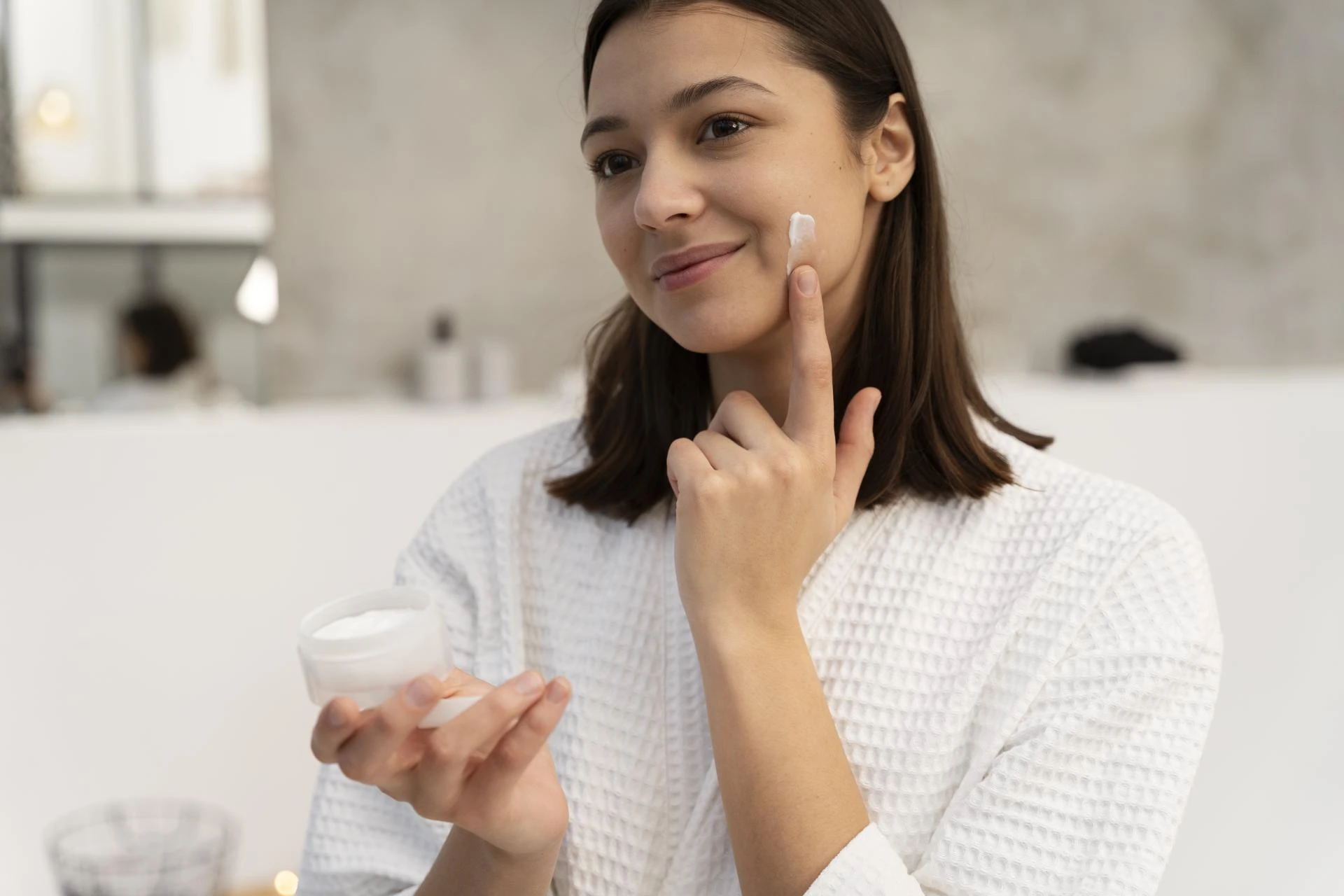
I used to believe my skincare routine would stay the same forever. Cleanse, tone, moisturise—simple enough. But as I stepped into my forties, I started noticing changes I couldn’t ignore. My skin felt drier, thinner, and somehow both dull and sensitive at the same time. Moisturisers that once worked perfectly now left my face feeling parched by midday. So, I began the search for the best moisturiser for mature skin, determined to find something that didn’t just sit on the surface but actually made a visible difference.
What Happens to Skin As We Age?
Understanding what mature skin actually needs made all the difference in my search. As we age, our skin naturally loses collagen and elastin, which are key to firmness and bounce. Oil production slows down, making dryness more noticeable. In my case, I noticed my fine lines becoming more prominent and my skin tone more uneven, especially during cold, windy UK winters.
That’s when I realised it wasn’t about just choosing a “richer cream”—I needed a product packed with ingredients that actively support ageing skin.
The Mistakes I Made with Moisturisers in the Past
Looking back, one of the biggest mistakes I made was assuming thicker meant better. I used heavy creams that clogged my pores but didn’t hydrate effectively. Another mistake? Switching products too frequently. I never gave my skin time to adjust, and I ended up with flare-ups, flakiness, and frustration.
What finally worked was creating a checklist of what my skin actually needed—and sticking with products that met those needs consistently.
What to Look for in a Moisturiser for Mature Skin
Here’s what I now always look for when choosing a moisturiser:
1. Hydrating Ingredients (Hyaluronic Acid, Glycerin)
These draw moisture into the skin and help plump fine lines. I noticed a more refreshed look when I started using products with these in the top few ingredients.
2. Barrier Repair (Ceramides and Fatty Acids)
As our skin matures, its natural barrier weakens. I found ceramide-rich moisturisers helped reduce sensitivity and made my skin feel more resilient.
3. Antioxidants (Vitamin C, E, and Niacinamide)
Antioxidants help protect against environmental stress. Niacinamide, in particular, evened out my skin tone and reduced blotchiness over time.
4. Retinol (in night creams)
While not for everyone, a gentle dose of retinol in a moisturiser helped me tackle fine lines gradually without irritation.
UK Climate: Why It Matters More Than You Think
In the UK, our weather shifts rapidly—cold and damp in winter, then surprisingly hot in summer. My skin reacts to these changes, becoming tight in winter and slightly oily in warmer months. I soon learned that one moisturiser wasn’t going to serve me all year round.
Now, I use a more emollient-rich cream during colder months and switch to a lighter, hydrating lotion when the weather warms up. Understanding seasonality helped me tailor my skincare without overcomplicating it.
How I Tested Products Without Wasting Money
To avoid buying full-size products that might not work, I started requesting samples whenever possible—either at chemists, skincare counters, or online. I also looked for brands with travel-size options, so I could trial a formula for at least a week.
A few simple tips that helped:
- Patch test on neck or cheek before applying fully
- Use the product for 10–14 days to truly assess results
- Watch how makeup sits on top—a good moisturiser won’t pill or flake
Lifestyle Tweaks That Supported My Skin’s Hydration
Moisturiser is key, but I realised it works best when paired with small lifestyle habits:
- Drinking more water helped reduce morning puffiness
- Using a humidifier during winter nights kept my skin from drying out
- Cutting back on caffeine and alcohol improved my skin texture noticeably
- Consistent sleep and less screen time also made my skin look more rested and radiant
What “Best” Means For Mature Skin
The truth? There’s no one “perfect” moisturiser for everyone. The best moisturiser for mature skin is the one that meets your skin’s individual needs—whether that’s extra hydration, brightening, or calming.
For me, finding the right one took time, but once I understood what my skin was asking for, the process became easier. Now, I use moisturisers with intention, not out of habit.
Summary: Mature Skin Needs Care, Not Complication
Ageing skin doesn’t mean weak or damaged skin—it simply needs different support. Choosing a moisturiser became less about promises on packaging and more about listening to how my skin responded.
If you’re also navigating this shift, know that you’re not alone. With the right approach, the right ingredients, and a bit of patience, your skin can feel vibrant and healthy again—no matter your age.