Effective communication is one of the most important aspects of quality healthcare. Patients who clearly understand their diagnosis, treatment options, medication instructions, and recovery plans are more likely to feel confident about their care and actively participate in the decision-making process. As healthcare facilities continue to adopt digital technologies, height adjustable display carts have become valuable tools for improving communication between healthcare professionals and patients.
Unlike fixed display systems, these mobile carts allow healthcare providers to position screens at the most comfortable viewing height for different users. Whether used in hospitals, clinics, rehabilitation centers, or outpatient facilities, they make medical information more accessible while supporting collaboration, flexibility, and patient-centered care.
This article explores how height adjustable display carts contribute to better patient communication, improve healthcare workflows, and create a more engaging clinical environment.
What Are Height Adjustable Display Carts?
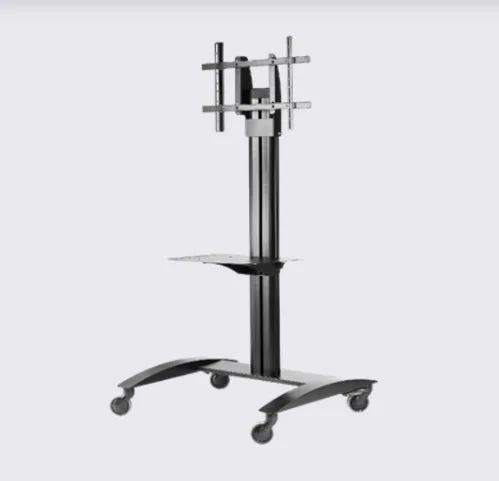
Height adjustable display carts are mobile stands designed to support digital displays or interactive monitors. Equipped with adjustable height mechanisms and lockable wheels, these carts allow healthcare professionals to move displays between patient rooms, consultation areas, and treatment spaces with ease.
Most models are designed to accommodate different display sizes while offering stable support, cable management, and ergonomic positioning. Their mobility makes them suitable for healthcare environments where information needs to be shared in multiple locations throughout the day.
Why Patient Communication Matters in Healthcare
Clear communication helps patients better understand their medical conditions and treatment plans. When information is presented visually alongside verbal explanations, patients often find it easier to absorb complex medical details.
Effective communication contributes to:
- Better understanding of treatment plans
- Improved patient confidence
- Higher patient satisfaction
- Greater participation in healthcare decisions
Digital displays mounted on adjustable carts support these conversations by presenting information in a clear and accessible format.
Presenting Medical Information at the Right Viewing Height
Every patient has different mobility requirements. Some may be lying in a hospital bed, while others may be seated in a wheelchair or examination chair. A fixed display cannot easily accommodate these varying positions.
Height adjustable display carts solve this challenge by allowing healthcare staff to raise or lower the screen according to the patient's comfort. This flexibility ensures that medical images, educational materials, or treatment plans remain easy to view without requiring patients to strain or change position.
Comfortable viewing encourages patients to stay engaged throughout consultations and improves overall communication.
Supporting Better Doctor-Patient Discussions
Healthcare professionals frequently use visual aids to explain diagnoses, imaging results, laboratory reports, and treatment options.
With a mobile display cart, clinicians can position the screen directly beside the patient, allowing both parties to review the same information together. Instead of simply describing medical findings, healthcare providers can visually demonstrate important details, making explanations easier to understand.
This collaborative approach encourages questions and promotes more meaningful conversations during appointments.
Improving Communication During Patient Education
Patient education is an essential part of healthcare, particularly for individuals managing chronic conditions or preparing for surgery.
Height adjustable display carts make educational sessions more interactive by displaying:
- Procedure explanations
- Rehabilitation exercises
- Medication instructions
- Lifestyle recommendations
Healthcare teams can combine videos, diagrams, animations, and presentations to improve patient understanding. Visual learning often helps patients remember important information after leaving the healthcare facility.
Enhancing Communication with Family Members
Family members frequently participate in healthcare discussions, particularly when caring for elderly patients or individuals recovering from surgery.
Mobile display carts allow caregivers and family members to comfortably view medical information alongside healthcare professionals. Since the screen height can be adjusted for different viewers, everyone involved can clearly see images, reports, and treatment plans.
This shared viewing experience helps families better understand care instructions and supports informed decision-making.
Improving Accessibility for Every Patient
Healthcare facilities serve patients with varying physical abilities and medical conditions. Some patients may have limited mobility, while others may require wheelchairs or adjustable hospital beds.
Height adjustable display carts improve accessibility by allowing healthcare providers to customize the display position based on individual needs.
Benefits include:
- Comfortable viewing from beds or wheelchairs
- Reduced physical strain
- Improved visibility for elderly patients
- Easier interaction with touchscreen displays
Accessible technology helps create a more inclusive healthcare environment for all patients.
Supporting Telemedicine and Virtual Consultations
Telemedicine has become an important part of modern healthcare. Video consultations allow specialists to communicate with patients without requiring travel or face-to-face appointments.
Height adjustable display carts provide flexible positioning during virtual consultations, allowing cameras and displays to be aligned for comfortable interaction.
Healthcare providers can easily move the cart between examination rooms while adjusting screen height for each patient, creating a better experience during remote consultations.
Helping Healthcare Teams Collaborate More Efficiently
Patient communication often involves multiple healthcare professionals, including physicians, nurses, therapists, and specialists.
A mobile display cart allows medical teams to review patient records, imaging studies, and treatment plans together without relocating patients unnecessarily.
This mobility supports collaborative discussions while ensuring that patients remain involved throughout the decision-making process.
Reducing Communication Barriers
Medical terminology can be difficult for patients to understand through verbal explanations alone.
Digital displays mounted on adjustable carts help simplify communication by presenting:
- Medical illustrations
- Anatomical diagrams
- X-rays and CT scans
- Interactive treatment plans
- Educational videos
Visual communication reduces misunderstandings and helps patients gain a clearer understanding of their health conditions.
Improving Workflow in Healthcare Facilities
Beyond patient communication, height adjustable display carts also support efficient daily operations.
Healthcare professionals can quickly move displays between departments without reinstalling equipment or disrupting workflows.
Common applications include:
- Patient consultations
- Ward rounds
- Diagnostic imaging reviews
- Rehabilitation sessions
- Emergency care
- Outpatient clinics
This flexibility allows healthcare staff to access digital information wherever it is needed.
Ergonomic Benefits for Healthcare Professionals
Medical staff spend long hours reviewing patient information and interacting with digital displays.
Height-adjustable carts allow screens to be positioned at comfortable viewing angles, helping reduce neck, shoulder, and back strain during extended use.
Improved ergonomics contribute to greater workplace comfort and support healthier working environments for healthcare professionals.
Key Features to Consider
When selecting a height adjustable display cart, healthcare organizations should evaluate features that support both patient communication and operational efficiency.
Important considerations include:
- Smooth height adjustment mechanism
- Stable mobile base with lockable wheels
- Compatibility with various display sizes
- Strong weight capacity
- Integrated cable management
- Easy mobility between rooms
Durable construction suitable for healthcare environments
These features ensure reliable performance in busy clinical settings.
Applications Across Healthcare Settings
Height adjustable display carts can be used across a wide range of healthcare environments.
Hospitals
Support patient education, imaging reviews, multidisciplinary discussions, and bedside consultations.
Outpatient Clinics
Provide flexible displays for consultations, diagnostic reviews, and patient education.
Rehabilitation Centers
Help therapists demonstrate exercises, recovery plans, and progress tracking.
Specialty Healthcare Facilities
Assist specialists in presenting medical images, treatment options, and procedural explanations during consultations.
Their versatility makes them valuable across many areas of modern healthcare.
Supporting Digital Healthcare Transformation
Healthcare organizations continue to invest in digital technologies that improve patient experiences and clinical efficiency.
Height adjustable display carts complement electronic medical records, telemedicine platforms, digital imaging systems, and patient education software by providing flexible access to information throughout healthcare facilities.
As hospitals increasingly adopt digital workflows, mobile display solutions help ensure technology remains accessible wherever patient care takes place.
Common Mistakes to Avoid
When choosing a display cart, healthcare facilities should avoid focusing solely on mobility while overlooking other important factors.
Common mistakes include selecting carts that cannot support the intended display size, choosing models without smooth height adjustment, or ignoring stability and cable management features. Ensuring compatibility with existing equipment and clinical workflows helps maximize long-term usability.
Conclusion
Height adjustable display carts have become an important part of modern healthcare environments by making digital information easier to share, understand, and access. Their adjustable design supports comfortable viewing for patients with different mobility needs while enabling healthcare professionals to communicate more effectively during consultations, patient education, and collaborative care.
By improving accessibility, enhancing visual communication, supporting telemedicine, and increasing workflow flexibility, these mobile display solutions contribute to a more patient-centered healthcare experience. As digital technologies continue to shape the future of healthcare, height adjustable display carts will remain a practical tool for improving communication, engagement, and overall quality of care.