
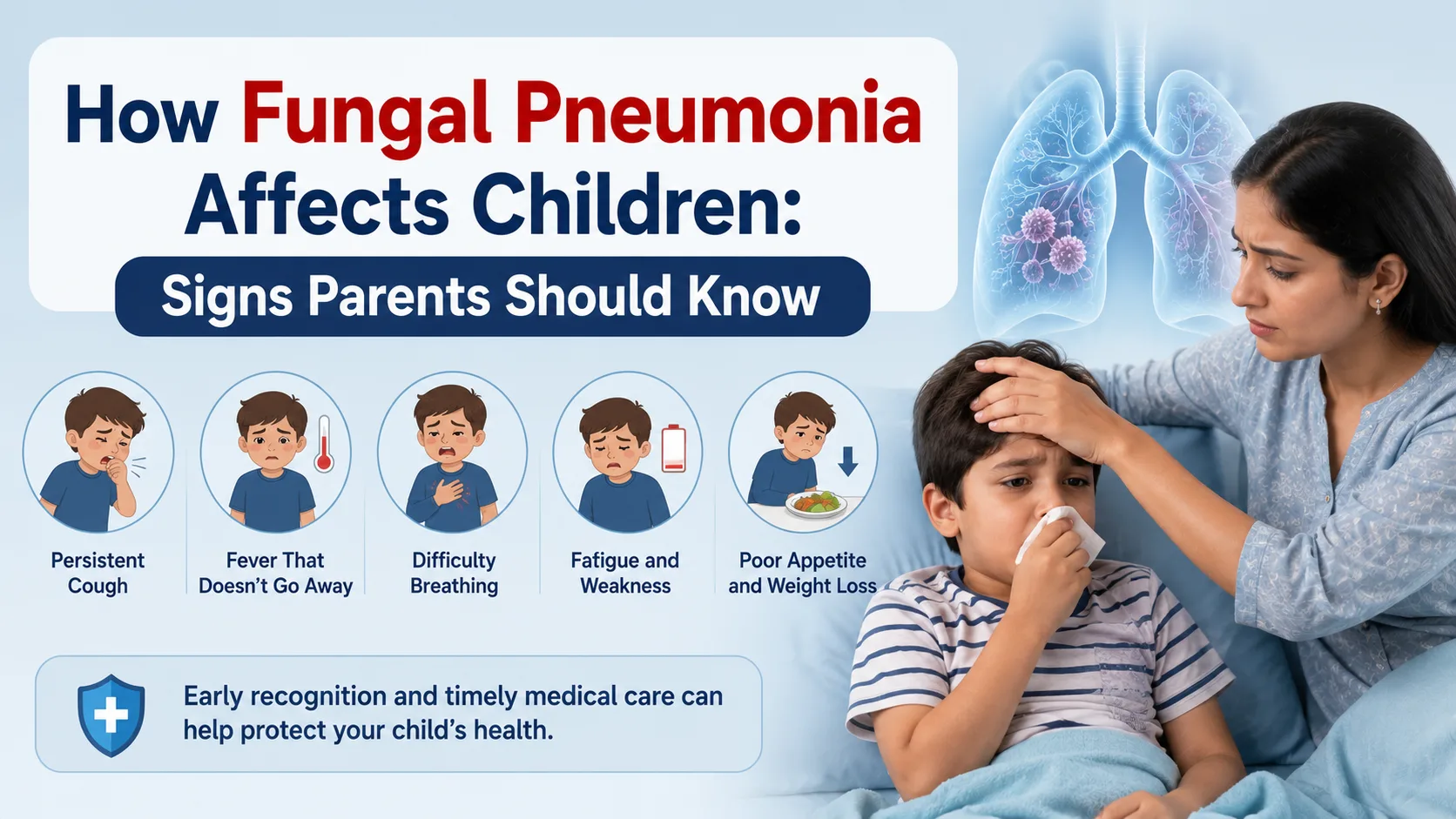
If your child gets a cough or fever, the first thing you may think is that they have a common cold or a viral infection. But in some rare cases, these symptoms may indicate Fungal Pneumonia – pneumonia in children caused by certain fungi. Fungal Pneumonia is less common than bacterial or viral pneumonia, but it can be serious for kids with weak immune systems.
Knowing the symptoms of fungal pneumonia will allow you to diagnose and treat this illness in time. You will also learn how to take care of your sick child after the hospital visit.
Key Takeaways
- Fungal pneumonia is a rare but serious disease affecting the lungs of kids.
- The risk of developing fungal infections increases for children with compromised immune systems.
- Persistent fever, cough, respiratory problems, and weakness are dangerous symptoms and should be addressed immediately.
- Antifungal therapy is essential to cure the disease.
- Home treatments are useful, but cannot replace any medical treatments.
What Is Fungal Pneumonia?
Fungal pneumonia is an infection of the lungs that arises from fungi that enter the body via inhalation of spores. The microorganisms are microscopic and typically found in soil, bird faeces, decaying leaves, and humid places.
Healthy kids can fend off the fungi naturally. However, those with poor immunity, cancer, organ transplants, long-term steroid intake, and other diseases have high chances of contracting severe Fungal Infections, which include fungal pneumonia.
Fungal pneumonia does not respond to antibiotics but rather to antifungal drugs, unlike bacterial pneumonia.
Most healthy children can resist infections caused by these fungi. However, children with weak immunity, those with cancer or undergoing an organ transplant, those using steroids for a long time, or some other conditions may suffer from Fungal Infections such as pneumonia.
Unlike bacterial pneumonia, fungal pneumonia is treated with antifungal medications rather than antibiotics.
Which Children Are More Likely to Develop Fungal Pneumonia?
Fungal pneumonia is uncommon in healthy children. It is more likely to occur in children with weakened immune systems or in those with bodies less able to fight infections. Parents of these children should be especially alert to persistent respiratory symptoms that do not improve with routine treatment.
Children at Higher Risk Include:
- Children undergoing chemotherapy or treatment for cancer.
- Children who have received a bone marrow or organ transplant and are taking immunosuppressive medicines.
- Children born with inherited immune system disorders (primary immunodeficiency).
- Children living with HIV or other conditions that weaken the immune system.
- Children taking high-dose corticosteroids or other medicines that suppress immunity for long periods.
- Children with poorly controlled diabetes or severe malnutrition, which can reduce the body's ability to fight infections.
- Premature infants and very young babies with underdeveloped immune systems may also be more vulnerable to certain fungal infections.
Although fungal pneumonia is rare, parents should seek medical attention if a high-risk child develops a persistent cough, fever, breathing difficulty, or symptoms that do not improve despite standard treatment.
What Are the Signs Parents Need to Look for?
Symptoms tend to appear slowly and may mimic other respiratory illnesses.
- Signs and Symptoms
- Fever,
- Cough,
- Shortness of Breath,
- Rapid Breathing,
- Chest Pain,
- Fatigue,
- Loss of appetite,
- Unintentional weight loss with extended disease.
When Should Parents Take Their Children to a Doctor Right Away?
Parents should take their children to a doctor immediately when they show:
- Difficult breathing
- Blue lips or fingers
- High fever that doesn't go down
- Lethargy and confusion
- Continual vomiting or inability to drink anything
- Getting a proper examination will help prevent complications.
How Is Fungal Pneumonia Diagnosed?
Fungal pneumonia is diagnosed based on the child's signs and diagnostic tests.
- Diagnosis Methods May Include
- Physical examination
- Chest x-rays or CT scans
- Blood tests
- Testing sputum or other respiratory fluid
- Culture of fungi or other lab tests
Proper diagnosis is necessary to start the right treatment.
How Is Fungal Pneumonia Treated?
The treatment varies depending on the fungus involved and the kid's health status.
Antifungal Medicines
Antifungal medicines, including itraconazole, can be prescribed for certain pulmonary fungal infections. Antifungal drugs like candiforce 200 can be recommended for selected patients based on the type of infection. The drug must always be used strictly as directed and for the recommended period.
In case of severe fungal pneumonia, the child may need to be admitted to the hospital and oxygen and IV medicines may be required.
Is It Possible to Treat Fungal Pneumonia Through Home Remedies?
While many parents look up home remedies for fungal infections online, there are no home remedies for fungal pneumonia.
Supportive Care at Home
Parents can help their child's recovery by:
- Encouraging adequate fluid intake.
- Providing nutritious meals.
- Ensuring plenty of rest.
- Keeping the child away from cigarette smoke and pollutants.
- Giving medicines exactly as prescribed.
Is It Possible To Prevent Fungal Pneumonia?
In some cases, it is impossible, particularly in children who suffer from immunodeficiency.
Tips For Prevention
- It is recommended to practice proper hand hygiene.
- If possible, avoid contact with mouldy and dusty areas.
- Follow the guidelines for infection prevention provided by your child's medical specialists.
- Visit scheduled appointments if your child has a chronic disease.
- Consult your doctor if you see the signs of respiratory disorders.
- Early detection is one of the most important steps to prevent complications.
What Is Worth Remembering
This disease is rather rare in children, but its complications can occur if it is not treated properly. It is important for parents to carefully observe all symptoms, such as persistent fever, cough, and difficulty breathing.
Proper medical consultation, accurate diagnosis, and early administration of antifungal drugs will greatly influence the favourable outcome. While at-home care can provide relief for a child, it cannot treat fungal pneumonia.
Disclaimer: The information contained in this article is written for educational purposes only. It should not be used as a substitute for medical advice.