In today’s fast-paced commercial landscape, companies across various industries from construction and manufacturing to event planning and IT face a common challenge: balancing operational efficiency with financial prudence. To stay competitive, businesses need access to top-tier, specialized machinery and technology. However, purchasing these assets outright can severely drain capital.
This is where the strategic choice of equipment rental comes into play. Rather than tying up valuable capital in depreciating assets, modern enterprises are increasingly turning to rental solutions. Opting for an equipment rental model allows businesses to remain agile, reduce overhead costs, and significantly boost project efficiency.
1. Eliminating Massive Upfront Capital Expenditure
The most immediate financial benefit of renting rather than buying is the preservation of capital. Purchasing industrial machinery, specialized fleet vehicles, or high-tech equipment requires a substantial upfront investment. For small to mid-sized enterprises (SMEs), this can deplete cash reserves, leaving little room for unexpected expenses or core business investments like marketing and hiring.
By utilizing equipment rental services, companies shift their financial burden from Capital Expenditure (CapEx) to Operational Expenditure (OpEx). Instead of a massive lump-sum payment, businesses pay predictable, manageable rental fees. This keeps cash flows fluid and predictable, allowing finance teams to allocate capital toward strategic growth opportunities rather than locking it away in iron and steel.
2. Cutting Down on Maintenance, Storage, and Disposal Costs
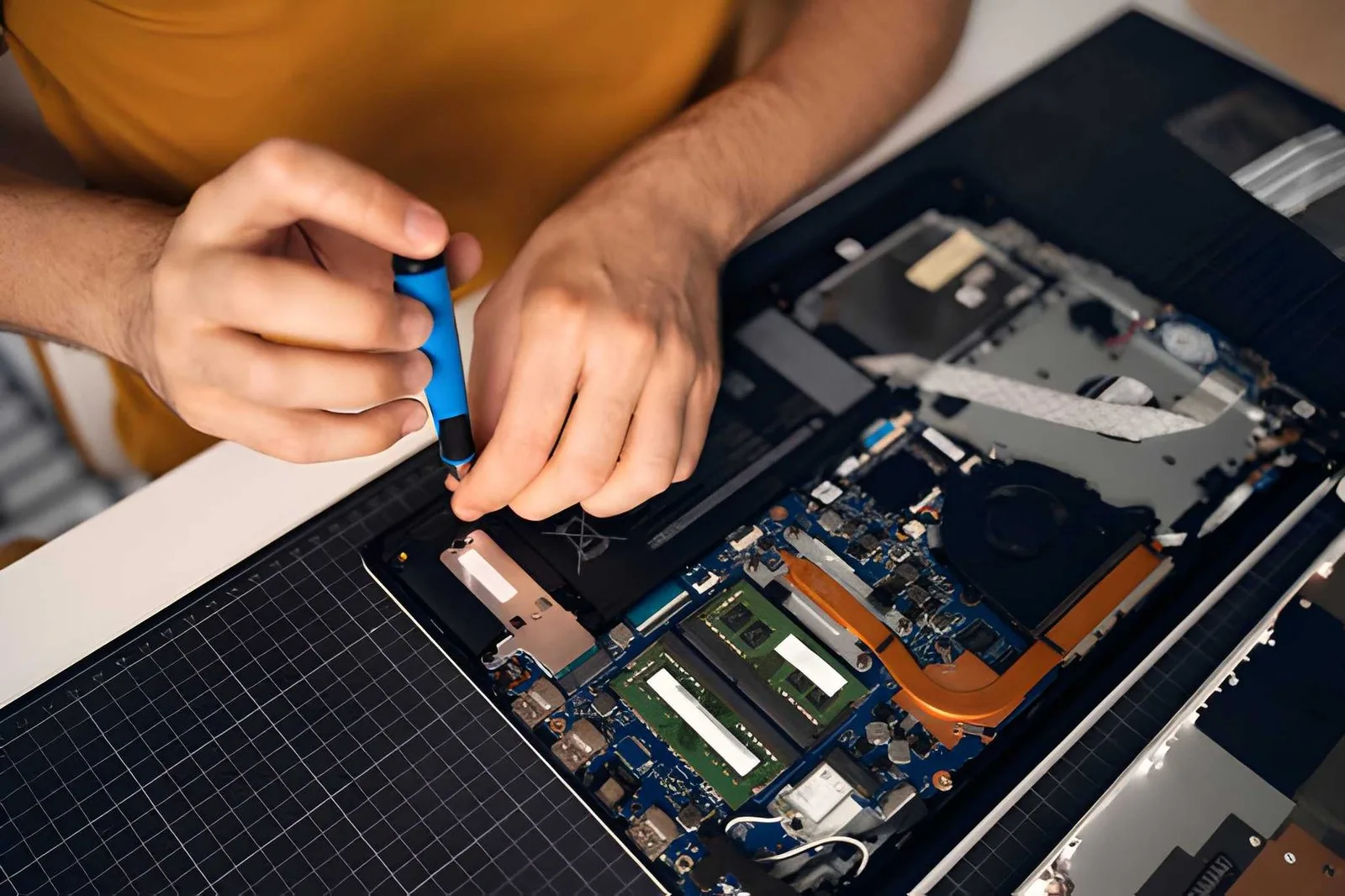
The true cost of owning equipment extends far beyond the initial purchase price. Ownership triggers a cascade of ongoing operational expenses, including routine maintenance, safety certifications, and occasional emergency fixes to prevent downtime.
Furthermore, when large equipment is not in use, it requires secure, weather-protected storage space, which comes with its own real estate costs or facility fees. Physical assets also lose value the moment they leave the lot. When the time comes to upgrade, selling used machinery involves significant time, effort, and often a financial loss.
When a business chooses to rent, these logistical headaches disappear entirely. Rental providers handle all routine maintenance, safety checks, and repairs. Once a project is complete, the equipment is returned to the supplier, eliminating long-term storage worries and depreciation losses, which directly improves the bottom line.
3. Boosting Efficiency with Access to Cutting-Edge Technology
In the modern market, technological stagnation can cripple a business. Equipment manufacturer innovations occur rapidly, introducing smarter, faster, and more fuel-efficient models every year. A company that purchases equipment today might find its fleet obsolete in just a few short years.
Renting solves this problem by offering a revolving door to the latest technology. Rental fleets are frequently updated with the newest models featuring advanced automation, better safety protocols, and superior energy efficiency. Access to cutting-edge tools allows your workforce to complete jobs faster and to a higher standard, giving your business a distinct competitive edge without the burden of tech obsolescence.
4. Unmatched Scalability and Project Flexibility
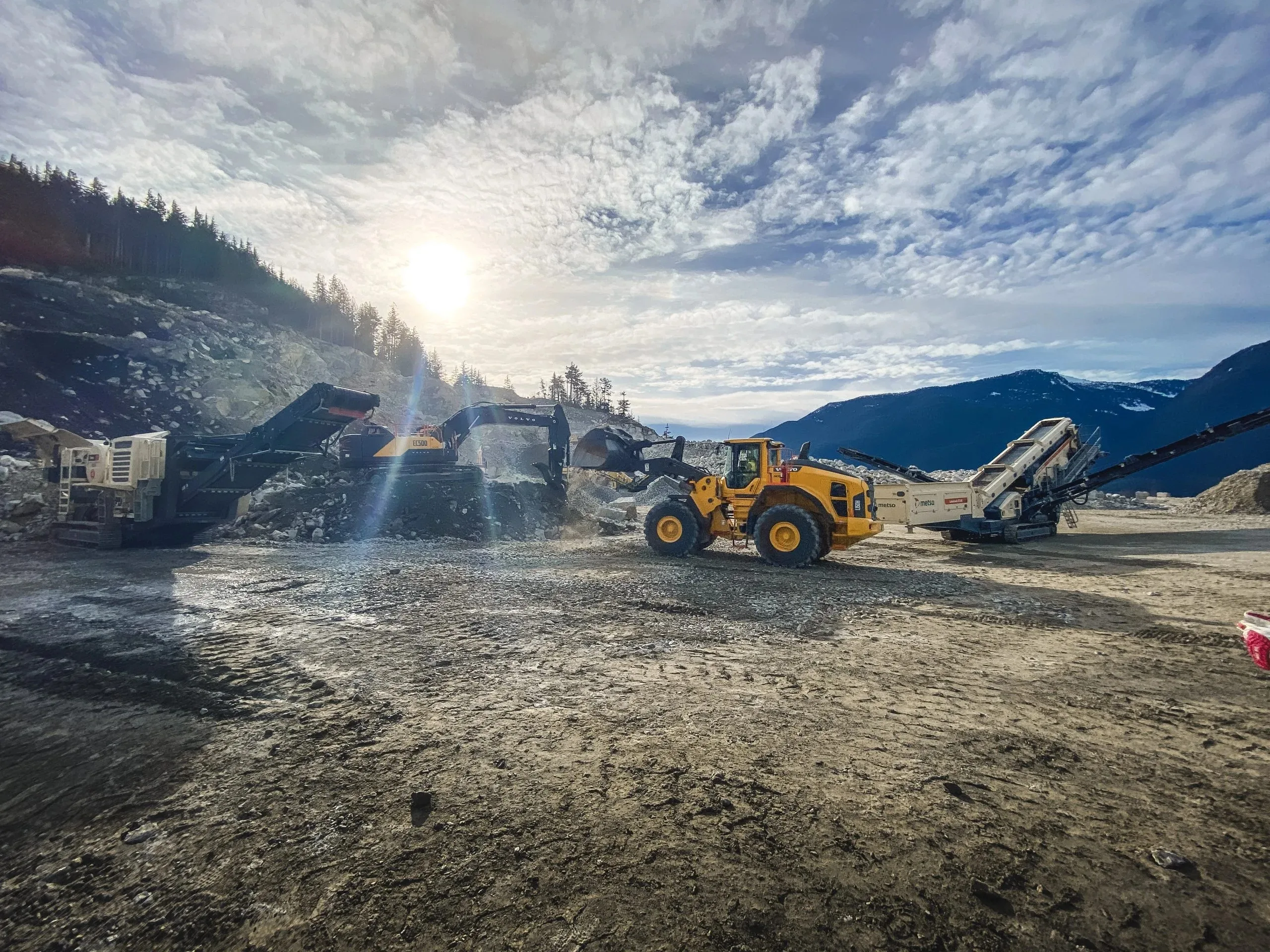
No two projects are identical. A construction firm might need a heavy-duty excavator for a three-month commercial build, but only require a small skid steer for a residential landscaping job the following week. Owning equipment forces a business to either pass on projects outside their immediate capabilities or attempt to complete jobs with suboptimal tools, which severely damages workplace efficiency.
Renting provides the ultimate operational flexibility. Businesses can scale their fleet up or down based on current project backlogs and seasonal demands. If a sudden opportunity arises, a company can acquire the exact machinery required within 24 to 48 hours, ensuring they never have to turn down profitable work due to a lack of resources. This agility allows companies to remain lean during market downturns and aggressive during periods of economic growth.
Conclusion
In the modern economy, flexibility is just as valuable as financial capital. Choosing to rent equipment provides businesses with a dual advantage: it shields their bottom line from heavy debt and ongoing maintenance costs while simultaneously equipping their workforce with the precise, high-performance tools needed to excel. By converting fixed overheads into variable, project-specific costs, smart enterprises can mitigate risk, optimize their day-to-day efficiency, and focus entirely on sustainable growth.