Even with fresh spray foam installed, a top floor overheating issue often stems from bypasses in the building envelope, improper HVAC balancing, or heat gain through windows. While spray foam is an excellent thermal barrier, it cannot fix a cooling system that isn't sized for the space or air leaks that were missed during the application process.
This guide explains why heat continues to collect in your upper rooms and how to fix these temperature imbalances. You will learn about the mechanics of heat transfer and the specific factors that affect homes in the area. With years of experience in regional building science, spray foam installers in Annandale, MN know that insulation is only one part of the home comfort equation.
The Physics Of Upper Level Heat Buildup
Heat naturally moves toward cooler areas, and in a multi-story home, the highest point becomes a collection zone. When you deal with top floor overheating, you are likely seeing the result of the "stack effect" or solar radiation. Even if your attic has great insulation, the walls and windows still let heat in during a hot Minnesota summer.
Many homeowners assume insulation stops all heat, but it actually just slows it down. If your air conditioning system cannot pull the hot air out of the upper rooms fast enough, the temperature stays high. This is especially true if the return vents are located near the floor or are too small for the volume of air in the room.
Common Reasons For High Temperatures After Insulating
Insulation works best when it forms a continuous seal. If there are gaps around recessed lights, plumbing stacks, chimney flues, electrical boxes, or top plates, hot air can still find its way into your living space. This excessive upstairs warmth creates a situation where the downstairs feels like a freezer while the upstairs remains a sauna.
- Check for air leaks in the wall cavities that connect to the attic.
- Inspect the seals around your windows and doors for drafts.
- Look for ductwork that might be leaking cold air into the attic before it reaches the rooms.
- Evaluate if your roof color is absorbing too much solar energy.
The Role Of Hidden Air Leaks
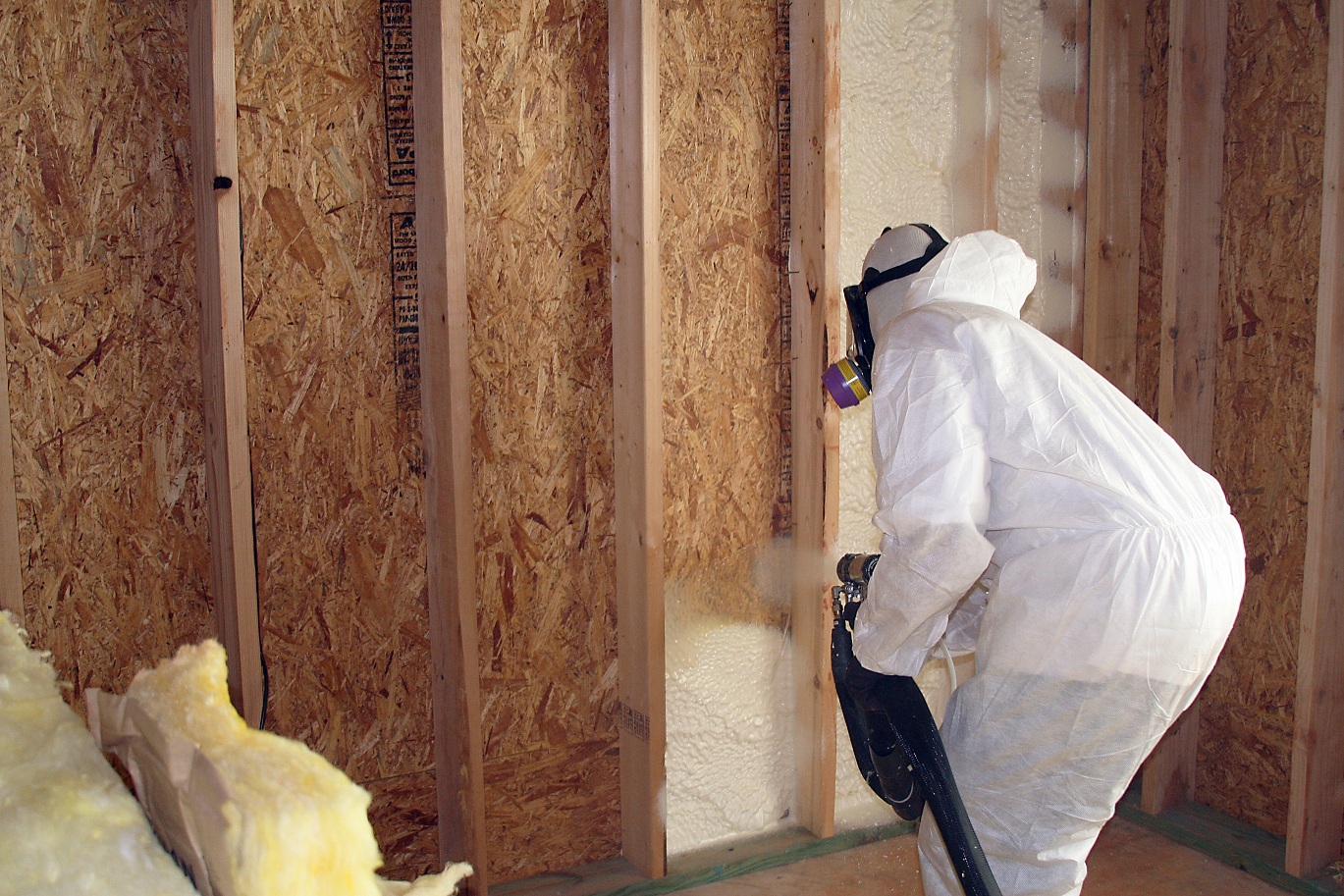
Small structural openings allow air to bypass your new insulation. Even high-quality spray foam requires a perfect seal at every junction to prevent uncomfortable upper rooms. Identifying and sealing these specific gaps is essential for maintaining a steady indoor climate.
Bonus Tip: Use a thermal camera on a hot afternoon to see exactly where the heat is entering your walls. This helps you find thin spots or missed gaps in the insulation.
Airflow And HVAC Limitations
Your cooling system might be the culprit rather than the insulation. Most homes use a single thermostat located on the main floor. Once the main floor reaches the target temperature, the AC shuts off, leaving the top floor without enough cooling time. This leads to radiant heat gain issues that never seem to get relief.

Why Does Annandale, Minnesota's Climate Affect Your Home?
In Annandale, MN, high summer humidity makes the air feel much hotter than the actual temperature. If your spray foam was not applied at the correct thickness for the local R-value requirements, it might not be performing as intended. Heat through the roof shingles can reach temperatures over 150 degrees, putting immense pressure on your insulation.
Managing Local Humidity Levels
The local climate demands a high-performance building shell. If your home has an older HVAC system, it may struggle to dehumidify the air. Moist air holds more heat, making the upstairs feel stifling even if the spray foam is performing its job. Proper air sealing must go hand in hand with insulation to manage these local weather extremes.
3 Steps To Balance Your Home Temperature
If you are tired of the heat, you can take specific actions to improve the situation. These steps focus on managing how air moves through your house.
- Adjust your registers: Partially close the vents on the lower floors to force more air to the top level.
- Run the fan constantly: Set your HVAC fan to "On" instead of "Auto" to keep air circulating between floors.
- Check attic ventilation: Ensure your soffit and ridge vents are clear to keep the space above the insulation as cool as possible.
Bonus Tip: Ensure your ceiling fans are rotating counter-clockwise in the summer. This creates a downdraft that cools your skin.

Things To Consider Before Upgrading Your Cooling
Before you spend money on a new AC unit or more insulation, look at the overall health of your home. Sometimes the issue isn't a lack of cooling but an excess of heat entering.
- Determine if your windows are single-pane or double-pane.
- Assess the age and efficiency of your current HVAC equipment.
- Identify whether you have a "knee wall" upstairs that might be poorly sealed.
- Check the R-value of your wall insulation, not just the attic foam.
Assessing Window Efficiency
Windows act like heaters when the sun hits them directly. If you have large, south-facing windows, the top floor overheating might be caused by solar energy passing straight through the glass, regardless of your attic insulation levels.
Professional Solutions For Temperature Imbalance
Sometimes a DIY fix isn't enough to solve the problem. Professionals can perform a blower-door test to identify hidden leaks causing the temperature spikes. They can also evaluate if a mini-split system is a better choice for your upper level rather than trying to fix a centralized system that wasn't designed for it.
How To Get Expert Advice On Cooling Your Annandale Home
If you have already invested in spray foam and are still sweating upstairs, it is time to consult local experts who understand the Annandale climate. You can reach out to Peak Spray Foam by calling (612) 482-4742 or sending an email to [email protected] to discuss your specific situation. They provide a range of services from air sealing to attic insulation and crawl space encapsulation that can help stabilize your home's temperature.
Achieving Lasting Comfort In Your Home
Solving a hot upstairs requires looking at your home as a complete system. While spray foam provides a strong foundation for energy efficiency, factors like HVAC capacity, window quality, and solar gain play significant roles. By identifying the specific source of heat and ensuring your airflow is balanced, you can finally enjoy every room in your house regardless of the outdoor temperature. Evaluate your ductwork and thermostat settings today to see if simple changes can fix your top floor overheating.
Common Questions About Upper Level Heat
Why is the upstairs hotter even with a high R-value?
Insulation only slows heat transfer; it doesn't stop it. If heat enters through windows or rises from the lower floors through the staircase, the upstairs will remain hot without proper airflow.
Can spray foam be applied incorrectly?
Yes, if the foam is too thin or if the installer missed small gaps around wires and pipes, the thermal envelope is compromised, allowing heat to bypass the barrier.
Does the color of my roof matter?
Darker shingles absorb more solar heat, which can raise the structure's temperature. High-quality insulation helps, but the building's heat load remains higher with dark materials.
Should I add more vents to my upstairs rooms?
Adding supply vents can help, but adding return vents is often more effective. Return vents allow the heavy, hot air to be sucked back into the AC system for cooling.
Will a radiant barrier help if I already have foam?
In most cases, a radiant barrier is redundant if you have closed-cell spray foam. It is usually better to focus on window films or HVAC balancing to solve lingering heat issues.