Parents today are increasingly looking for educational programs that do more than improve school grades. They want activities that strengthen concentration, memory, creativity, and logical thinking while preparing children for lifelong success. One of the most effective ways to achieve these goals is through mental math, particularly when it is taught using a structured program like SIP Abacus.
SIP Abacus is recognized worldwide for its innovative teaching methodology that combines Abacus learning with visualization techniques to improve children's cognitive abilities. Rather than focusing solely on arithmetic, the program is designed to support SIP Abacus brain development by stimulating multiple areas of the brain simultaneously. As children learn to visualize an abacus and solve calculations mentally, they build essential cognitive skills that benefit them both inside and outside the classroom.
In this guide, we'll explore how mental math improves cognitive development, why it plays a vital role in brain development for children, and how SIP Abacus helps children unlock their full learning potential.
What Is Mental Math?
Mental math is the ability to perform mathematical calculations without using calculators, paper, or other external tools. Instead, children rely on visualization, memory, and logical reasoning to solve problems quickly and accurately.
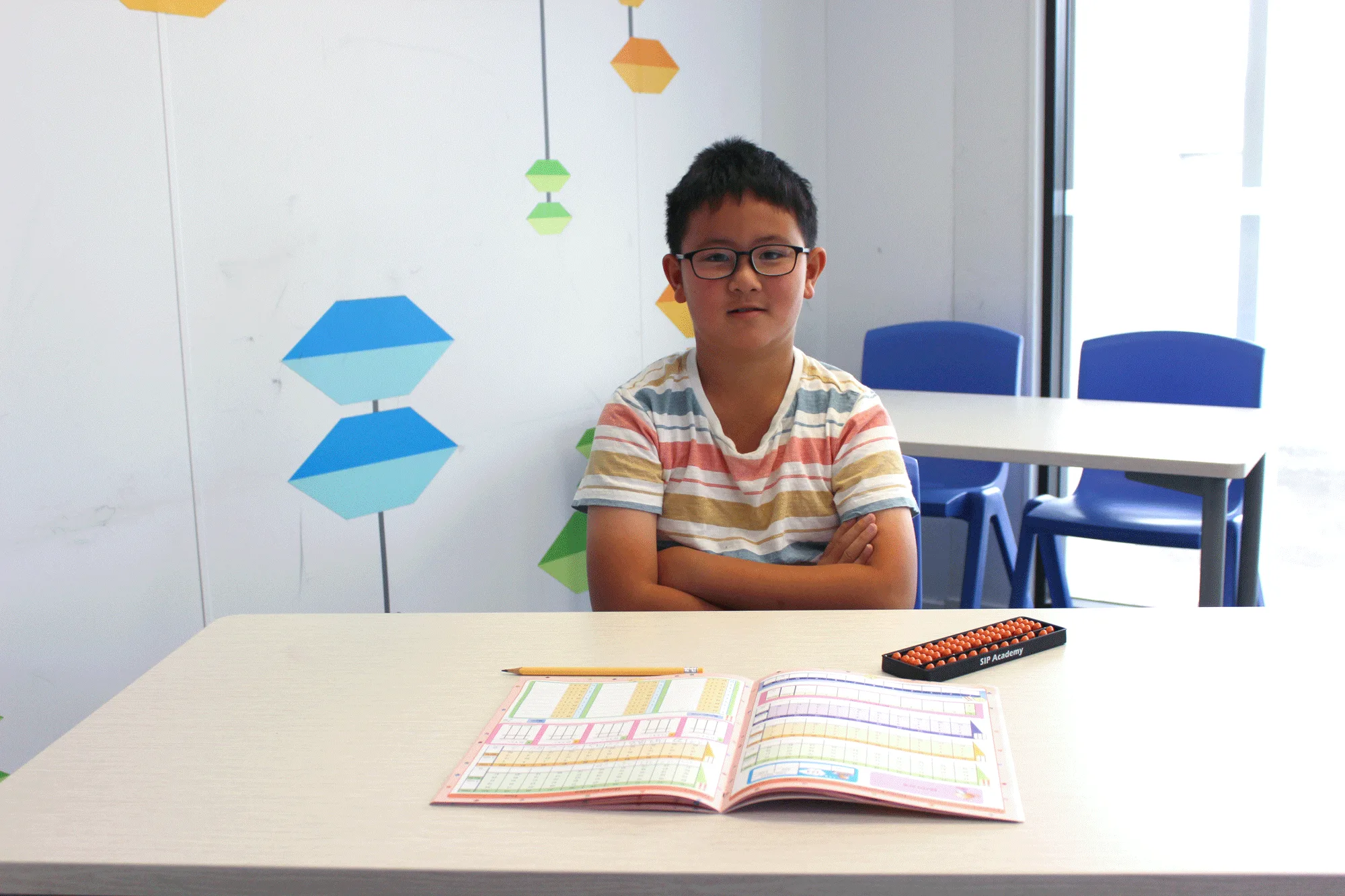
While anyone can practice mental math, children who learn it through SIP Abacus follow a structured process. They begin by using a physical abacus and gradually transition to imagining the abacus in their minds. This visualization technique strengthens cognitive functions while making calculations faster and more accurate.
Unlike rote memorization, mental math develops thinking skills that children use throughout their academic and personal lives.
Why Cognitive Development Matters
Childhood is the most important stage for building cognitive abilities. During these years, the brain forms millions of neural connections that influence memory, attention, language, creativity, and decision-making.
Healthy brain development for children contributes to:
- Improved concentration
- Better memory retention
- Faster information processing
- Strong problem-solving skills
- Greater creativity
- Higher confidence
- Better academic performance
Programs like SIP Abacus are designed to nurture these abilities through engaging and age-appropriate learning experiences.
How SIP Abacus Brain Development Works
One of the biggest strengths of SIP Abacus brain development is its ability to activate both the left and right hemispheres of the brain.
The left hemisphere is responsible for:
- Logical reasoning
- Numbers
- Analysis
- Sequential thinking
The right hemisphere supports:
- Creativity
- Imagination
- Visualization
- Memory
During Abacus learning, children move beads while simultaneously visualizing calculations. This coordinated activity encourages both sides of the brain to work together, supporting balanced child brain development.
The Role of Abacus Learning in Cognitive Growth
Abacus learning is much more than a mathematics technique. It is a structured educational approach that improves several essential cognitive skills.
1. Improves Concentration
Children must focus carefully while moving beads and visualizing calculations. Regular practice gradually increases their attention span, helping them stay focused during lessons, homework, and examinations.
Improved concentration is one of the most valuable outcomes of brain development for children.
2. Strengthens Memory
Memory plays a major role in learning. Through Abacus learning, children remember number patterns, bead positions, and calculation sequences while performing mental math.
This repeated mental exercise improves both short-term and long-term memory, supporting success across multiple school subjects.
3. Develops Faster Mental Math Skills
The primary objective of SIP Abacus is helping children master mental math.
As students progress, they no longer depend on physical tools. Instead, they visualize the abacus and solve calculations mentally with impressive speed and accuracy.
These skills make classroom mathematics easier while boosting confidence in everyday calculations.
4. Encourages Logical Thinking
Every calculation requires children to analyze information step by step.
This strengthens:
- Critical thinking
- Logical reasoning
- Decision-making
- Pattern recognition
These abilities extend beyond mathematics and support lifelong learning.
5. Enhances Visualization Skills
Visualization is one of the most unique features of SIP Abacus.
Children gradually replace the physical abacus with an imaginary one, mentally moving beads while solving arithmetic problems.
This exercise strengthens imagination, spatial awareness, and creative thinking while contributing to child brain development.
6. Builds Self-Confidence
As children become faster and more accurate in mental math, they gain confidence in their own abilities.
This confidence often translates into:
- Better classroom participation
- Greater willingness to solve challenging problems
- Improved communication skills
- Positive attitudes toward learning
Why Parents Choose SIP Abacus
Parents around the world trust SIP Abacus because it focuses on holistic child development rather than memorization alone.
The program combines:
- Structured Abacus learning
- Visualization techniques
- Interactive classroom activities
- Progressive skill development
- Regular assessments
This balanced approach helps children build strong academic foundations while supporting healthy brain development for children.
Benefits Beyond Mathematics
One of the greatest advantages of SIP Abacus is that its benefits extend well beyond arithmetic.
Children who regularly participate in Abacus classes often experience improvements in:
- Reading comprehension
- Listening skills
- Observation
- Creativity
- Analytical thinking
- Confidence
- Independent learning
These cognitive improvements help children perform better across all academic subjects and prepare them for future challenges.
Frequently Asked Questions (FAQs)
1. How does mental math improve cognitive development?
Mental math improves cognitive development by strengthening memory, concentration, logical reasoning, visualization, and problem-solving skills. Regular practice helps children process information faster while supporting healthy brain development for children.
2. How does SIP Abacus brain development help children?
SIP Abacus brain development uses Abacus learning, visualization, and structured mental calculations to activate both the left and right hemispheres of the brain. This improves memory, creativity, focus, and analytical thinking.
3. What is the best age to start Abacus learning?
Most children benefit from Abacus learning between the ages of 5 and 12 years. Starting early helps strengthen child brain development, improve concentration, and build confidence in mathematics.
4. Are Abacus classes effective for improving mental math?
Yes. Well-structured Abacus classes teach children to visualize an abacus and solve calculations mentally. This method improves mental math speed, accuracy, and confidence while enhancing cognitive skills.