
Cape Ann Whale Watch sounds like one of those things people casually add to a vacation itinerary. You know, book a seat, grab a coffee, take a few pictures, maybe spot a whale if you’re lucky. Then head home. Simple enough.
But honestly, that’s not really what happens out there.
Something shifts when you’re sitting on a boat miles from shore with nothing around except cold ocean air and water stretching forever. Your phone stops mattering as much. The noise in your head quiets down a little. Even people who swear they “aren’t outdoorsy” end up standing silently at the rail just staring at the horizon. It gets to you in a weird way.
And that’s probably why whale watching around Cape Ann sticks with people longer than they expect. It doesn’t feel manufactured. Nature doesn’t perform on command, and that unpredictability is kind of the point.
The Ocean Changes Your Pace Without Asking
Most days feel rushed before they even start. Emails. Traffic. Notifications buzzing every five seconds. Everyone’s multitasking constantly, even during things that are supposed to be relaxing.
Then you step onto a whale watch boat and suddenly none of that works anymore.
The ocean has its own rhythm. Slow sometimes. Uneven. Quiet, then loud all at once. You can’t speed it up because you’re impatient. Doesn’t care about your schedule either.
That’s one of the first ways Cape Ann Whale Watch reconnects people with nature. It forces you to slow down without making a big speech about mindfulness or “living in the moment.” You just naturally start paying attention again.
The sound of waves against the hull. Wind cutting across the deck. Gulls circling overhead waiting for something to happen. Little details most people usually tune out.
And weirdly enough, that feels good.
Seeing Whales in the Wild Feels Different Than People Expect
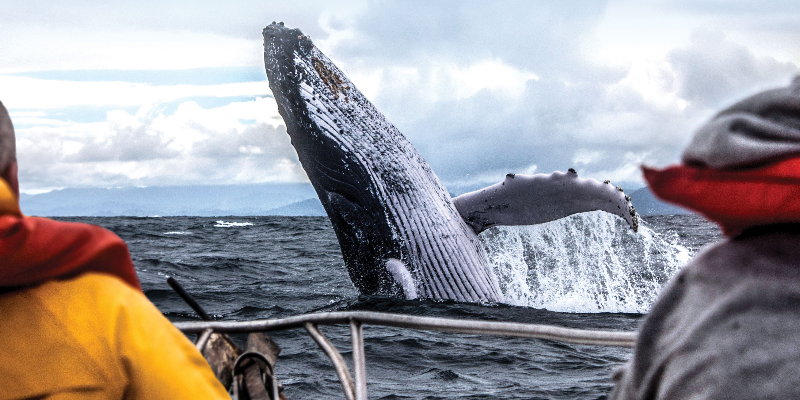
A lot of people imagine whale watching like some dramatic documentary scene. Giant breach. Huge splash. Everyone cheering like crazy.
Sure, sometimes that happens. And when it does, it’s incredible.
But honestly, the quieter moments hit harder.
A humpback surfacing slowly beside the boat. The sound of its exhale before you even fully see it. That deep breath rolling across the water. It feels ancient somehow. Hard to explain properly.
You realize pretty quickly these animals are not there for your entertainment. They’re feeding, traveling, existing in their own world. You’re just lucky enough to witness a small piece of it.
That changes how people think about nature. It stops being background scenery and starts feeling alive, unpredictable, and independent.
And that matters more than most people realize.

Cape Ann Has a Natural Energy You Can Feel
Part of the experience isn’t even the whales themselves. It’s the location.
Cape Ann has this rugged coastal feel that never comes across fully in photos. The rocky shoreline. Fishing boats moving through the harbor. Salt air everywhere. It feels real. Not polished for tourists.
Before most Cape Ann Whale Watch trips, people wander around Gloucester Harbor for a while. Coffee in hand, watching boats leave the docks. Maybe grabbing seafood nearby. There’s already a connection forming before the boat even leaves.
Then once you’re offshore, land slowly fades into the background and it’s just ocean.
That transition does something mentally. You feel smaller out there. In a good way though, not depressing. More like perspective kicks in again.
Nature gets harder to ignore when it surrounds you completely.
You Start Noticing Things You Normally Miss
One thing people don’t talk about enough is how whale watching sharpens your attention.
At first, everyone scans the water impatiently looking for whales every second. But eventually your brain settles down a bit. You start noticing seabirds diving into schools of fish. The movement of currents. Tiny changes in the water surface.
Naturalists onboard usually explain what’s happening too, and honestly, they make the whole thing better.
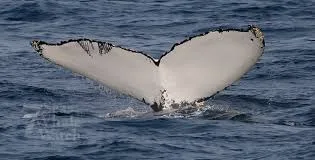
These aren’t people reading random facts from a script. Most of them genuinely know the whales individually. They recognize tail patterns, behaviors, migration habits. Sometimes they’ll spot a whale from a tiny movement in the distance before anyone else sees anything.
And once they point things out, you can’t unsee them.
That awareness carries over after the trip too. People leave paying more attention to weather, tides, wildlife, even silence. Sounds dramatic maybe, but it’s true.
Nature Doesn’t Care About Perfect Conditions
That’s another thing Cape Ann Whale Watch teaches pretty quickly.
Not every trip is sunny and smooth with perfect visibility. Sometimes the sea gets rough. Sometimes sightings take time. Sometimes the weather changes halfway through and everyone’s pulling jackets tighter wishing they dressed smarter.
But honestly, those imperfect moments are part of the experience.
Nature isn’t curated for comfort. And there’s something refreshing about that. So much of daily life is controlled, filtered, customized. Whale watching strips that away a little.
You adapt instead.
You lean into the motion of the boat. Wait patiently. Watch the horizon longer than you normally would. And when a whale finally appears after a quiet stretch, it feels earned somehow.
Way more meaningful than if it happened every five minutes on cue.
The Experience Pulls People Away From Screens
This part sounds obvious, but it really matters.
Most people board the boat planning to take hundreds of photos. Totally understandable. And yeah, you should grab a few pictures because the scenery is unreal.
But eventually something happens where the phone goes back into your pocket and stays there longer.
Because the screen can’t really capture what it feels like when a whale surfaces nearby. Or when the boat suddenly goes silent because everyone’s focused on the same moment at once.
You can film it, sure. But the actual experience feels bigger than the video.
Cape Ann Whale Watch creates one of the rare situations where people naturally disconnect from technology without forcing themselves to. Nobody’s talking about digital detoxes out there. They just stop caring about their phones for a while.
That alone feels kind of rare now.
Kids and Adults Experience Nature Differently Out There
One interesting thing about whale watching is how differently people react depending on their age.
Kids usually start excited immediately. They run from one side of the boat to the other, asking endless questions, scanning the water every second.
Adults are more reserved at first. A little distracted still. Thinking about work or logistics or whether they remembered sunscreen.
Then eventually the adults loosen up too.
You’ll see fully grown people suddenly light up like kids the second a whale breaches nearby. Complete strangers talking excitedly to each other. Pointing at fins in the distance. Laughing over missed sightings.
Nature does that. It strips away some of the usual social walls people carry around.
For families especially, Cape Ann Whale Watch creates shared memories that don’t feel staged. Nobody’s pretending to have fun for photos. The reactions are genuine because the experience itself is.
There’s Something Humbling About Open Water
The farther offshore you go, the more perspective shifts.
Standing on land, people often feel in control of everything. Out on the ocean, not so much.
You realize quickly how massive the environment is compared to you. The Atlantic doesn’t shrink itself to make humans comfortable. Waves keep moving. Wind changes direction whenever it wants. Wildlife appears and disappears on its own schedule.
That humbling feeling reconnects people with nature in a very direct way.
Not through lectures. Not through signs or exhibits. Just through exposure.
And honestly, people probably need more of that.
Because modern life can make it easy to forget humans are part of nature too, not separate from it.
Why the Quiet Moments End Up Meaning the Most
Funny thing is, people usually remember the quiet moments most clearly afterward.
Not always the biggest splash or most dramatic breach.
Sometimes it’s standing near the railing while fog rolls across the water. Or hearing nothing except waves for a few minutes straight. Or spotting a whale slowly surfacing in calm water while everyone watches silently.
Those quieter experiences stick because they feel real.
Cape Ann Whale Watch gives people access to moments they can’t manufacture back home. Nature decides what happens, not an itinerary. That unpredictability makes every sighting feel personal in a strange way.
And because it’s unscripted, it stays with you longer.
Cape Ann Whale Watch Makes Conservation Feel Personal
A lot of people care about ocean conservation in a general sense. But it stays abstract until they actually experience marine life up close.
Seeing a humpback whale in person changes that.
Suddenly conversations about pollution, climate change, shipping traffic, or habitat protection don’t feel distant anymore. You’ve seen these animals alive in their environment. The connection becomes emotional instead of theoretical.
That’s one of the strongest things whale watching can do.
It turns nature from an idea into a relationship.
And once people feel connected emotionally, they usually care more deeply about protecting what they experienced.
Not because someone guilted them into it. Because they genuinely want those whales to still be there years from now.
Conclusion: Nature Feels Different After You Experience It Up Close
At the end of the day, Cape Ann Whale Watch is technically a boat tour. Sure. But calling it only that feels incomplete.
It’s really about stepping outside your usual routine long enough to remember what the natural world actually feels like. Cold air. Open water. Unpredictable wildlife. Moments you can’t control or repeat exactly.
That’s the connection people leave with.
Not perfection. Not polished vacation memories. Something rougher and more honest than that. And honestly, those experiences tend to matter more anyway.
By the time the boat heads back toward shore, most people feel it a little. That shift. The sense that nature isn’t just scenery sitting in the background of life. It’s active, huge, alive, and still capable of surprising you.
And when experiences like Gloucester Whale Watch become part of a full coastal day around Cape Ann, the connection gets even stronger. You stop feeling like a tourist for a while and start feeling present instead. That’s the part people remember.