
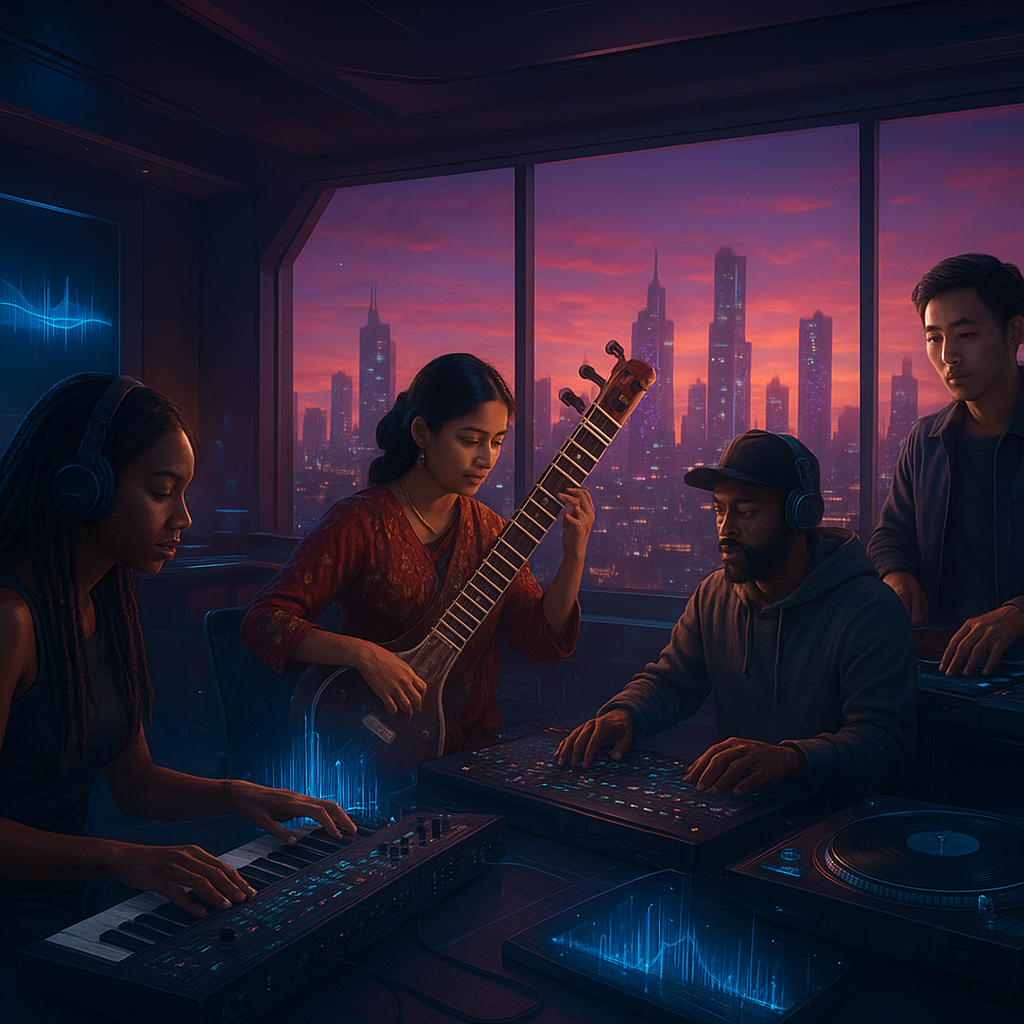
Setting the Stage: A Sonic Snapshot of 2026’s Music Scene
Imagine standing in a packed global music festival in mid-2026, where the air vibrates not only with bass lines but with a palpable sense of transformation. As thousands sway to a fusion of sounds, the crowd represents a world where music is no longer confined by geography, genre, or medium. The top six music styles dominating airwaves, streaming platforms, and live venues reveal a narrative of innovation and cultural synthesis.
According to industry reports from the International Federation of the Phonographic Industry (IFPI), 2025 saw a record 45% increase in cross-genre collaborations, underscoring a shift towards hybrid sounds. This evolution is more than a trend; it is a redefinition of musical identity. At the heart of this change are six distinct styles that have surged in popularity and influence, each reflecting contemporary cultural currents and technology-driven creativity.
“Music today is a tapestry woven from countless threads—genres, cultures, and technologies—each adding depth and color to the global soundscape.” — Musicologist Dr. Lena Harrow
This article explores these six dominant music currents, tracing their origins, analyzing their impact, and projecting their trajectories through 2026 and beyond.
Roots and Routes: How Six Genres Emerged as 2026’s Soundtrack
The journey to 2026’s top music styles is a tale of cultural interplay and technological breakthroughs. The past decade witnessed the rise of streaming platforms that democratized access to music, allowing niche genres to find global audiences. The growth of AI-assisted music production tools further blurred traditional boundaries.
The six genres that now command attention are:
- Hyperpop: Originating in the late 2010s, hyperpop exploded with its maximalist, distorted electronic sound and genre-fluid approach. It evolved from internet subcultures and now enjoys mainstream adoption.
- Neo-Soul Revival: Rooted in the 1990s and early 2000s, neo-soul has seen a resurgence, blending classic soul with modern R&B and jazz influences, emphasizing organic instrumentation and emotional depth.
- Global Bass: A melting pot of Afrobeat, Latin rhythms, and electronic dance music, global bass reflects the interconnectedness of youth culture worldwide.
- Indie Electro-Folk: Combining electronic production with folk storytelling, this genre appeals to listeners craving authenticity amid digital saturation.
- Trap Metal: A fusion of aggressive metal riffs and trap beats, this style channels raw energy and emotional intensity, gaining traction among younger audiences.
- AI-Generated Soundscapes: An emergent category where AI algorithms co-create ambient and experimental music, challenging notions of human creativity.
Each genre’s development was influenced by social media trends, cultural exchanges, and advances in music tech. The omnipresence of platforms like TikTok and Discord facilitated grassroots movements, while tools like OpenAI’s MuseNet and Google’s MusicLM enabled new compositional approaches.
Analyzing the Data: Metrics Behind the Top 6 Genres
Quantitative insights reveal the scale and scope of these genres’ ascendancy. According to the 2026 Global Music Report by IFPI, the top six genres collectively account for nearly 60% of global streaming hours, a remarkable concentration in an industry once fragmented by countless styles.
Breaking down key metrics:
- Streaming Growth: Hyperpop leads with a 120% increase in streams year-over-year, driven by viral hits and influencer endorsements.
- Concert Attendance: Neo-soul revival artists have seen a 35% rise in live performance ticket sales, reflecting a demand for intimate, soulful experiences.
- Social Media Engagement: Global bass dominates TikTok with over 2 billion hashtag views, fueled by dance challenges and cross-cultural collaborations.
- Sales and Merchandise: Trap metal bands report a 50% surge in merchandise revenue, indicating strong fanbase loyalty beyond music consumption.
- AI-Generated Releases: Though niche, AI-generated music releases have increased by 300% since 2024, highlighting rapid adoption among experimental listeners.
“Data shows that genre boundaries are dissolving, but fan engagement is intensifying around these new hybrid sounds.” — Industry analyst Marcos Patel
Comparison with prior years underscores a decisive shift from traditional pop and rock dominance towards more eclectic and experimental sounds. This shift also coincides with demographic changes, as Gen Z and younger Millennials drive consumption patterns.
2026 Spotlight: Innovations and Breakthroughs in Each Genre
In the current year, each genre reflects unique technological and cultural developments shaping its trajectory.
- Hyperpop: Artists increasingly incorporate AI-generated vocal effects and real-time modulation tools during live shows, creating immersive experiences. Labels like PC Music continue to pioneer this space.
- Neo-Soul Revival: There is an uptick in collaborations with jazz musicians and orchestras, integrating live instrumentation with digital production, enriching texture and depth.
- Global Bass: Festivals dedicated to global bass have tripled, with events like the AfroLatino Bass Fest gaining international attention, promoting cultural exchange.
- Indie Electro-Folk: Virtual reality concerts and augmented reality album art are becoming standard, enhancing storytelling and fan immersion.
- Trap Metal: Visual artistry has become integral, with bands releasing graphic novels and interactive media alongside albums, expanding narrative dimensions.
- AI-Generated Soundscapes: Major streaming platforms now curate dedicated AI music playlists, and AI-human collaborative albums are breaking into mainstream charts.
The convergence of creativity and technology is palpable. Platforms like Spotify and Apple Music have adapted their algorithms to promote these emerging genres, while independent artists leverage decentralized distribution models.
This dynamic is extensively discussed in TheOmniBuzz’s "How Music’s Digital Renaissance Is Reshaping Creativity and Culture", highlighting how digital tools democratize production and diversify sonic palettes.
Voices from the Industry: Perspectives on the Top 6 Music Movements
Leading producers, artists, and cultural critics offer insight on what these genres signify for the music industry and society.
“The blending of AI and human artistry is not replacing musicians but expanding their toolkit, ushering in a new era of sonic exploration.” — Producer and AI music pioneer, Jade Nguyen
Artists like singer-songwriter Amara Kweku, a neo-soul revivalist, emphasize the importance of emotional authenticity amid technological advances. “Our music connects deeply because it’s about shared human experiences, even when created with digital tools,” she notes.
Industry executives emphasize the commercial potential. “The convergence of global bass and hyperpop appeals to diverse audiences, making it a powerhouse for brands targeting Gen Z,” explains marketing strategist Carlos Mendes.
Moreover, music scholars point to these genres as reflections of broader societal shifts—identity fluidity, globalization, and digital interconnectivity—echoing themes explored in TheOmniBuzz’s piece on "Why Music Remains the Pulse of Human Connection and Innovation".
Looking Ahead: What the Future Holds for Music’s Leading Genres
Anticipating the next five years, experts predict further hybridization and an even greater role for AI-driven creativity. Some key takeaways for artists, industry stakeholders, and listeners include:
- Genre Fluidity Will Intensify: Expect new subgenres birthed from unexpected combinations, challenging categorization and marketing norms.
- AI as Co-Creator: AI technology will become a standard collaborator, not just a tool, influencing songwriting, production, and performance.
- Global Cultural Exchange: Music will further reflect multicultural dialogues, with genres like global bass leading the way.
- Interactive Experiences: Augmented and virtual reality will transform concerts and album releases into immersive, multisensory events.
- Artist Empowerment: Decentralized platforms and blockchain technology will offer creators more control and revenue streams.
“The future of music is a kaleidoscope of sounds, stories, and technologies, each reflecting the complex identities of its creators and listeners.” — Cultural theorist Dr. Miguel Santos
For musicians eager to refine their craft in this environment, resources such as TheOmniBuzz’s "Mastering Music: Essential Expert Tips to Elevate Your Sound" provide invaluable guidance on leveraging modern techniques.
In conclusion, the top six music genres of 2026 are more than popular styles—they are cultural phenomena that embody the evolving relationship between technology, identity, and global connectivity. As these sounds continue to shape the soundtrack of our times, they invite us to listen closely to the future unfolding in real time.
For deeper historical context on defining moments that paved the way for today’s music, exploring "8 Tracks That Define Modern Music’s Boldest Moments" offers a compelling companion perspective.