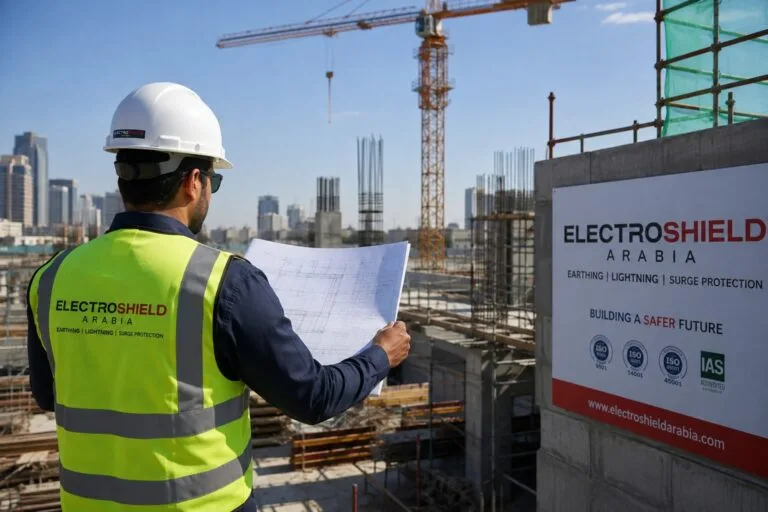
Modern facilities across industrial, commercial, and energy sectors face continuous environmental vulnerabilities that demand robust physical and electrical defense mechanisms. Atmospheric discharges present catastrophic risks to structural integrity, mission-critical operations, and sensitive electronic equipment without proper engineering controls. Establishing an engineered defense starts with understanding how high-voltage energy interacts with built environments.
Addressing these atmospheric hazards effectively requires deep technical expertise and integrated safety architecture designed to international standards. Deploying a reliable lightning protection system ensures that high-energy electrical discharges are safely captured and channeled into the earth. Facilities benefit tremendously from proactive risk management that prevents costly downtime and structural damage.
Why Every Commercial Structure Requires a Certified Lightning Protection System
Deploying an advanced protection framework protects both human life and high-value capital assets from unpredictable weather events. When atmospheric charges accumulate during regional storms, unprotected structures absorb massive electrical currents that can trigger structural fires or severe internal system failures. Integrating specialized engineering practices mitigates these vulnerabilities by creating a continuous, low-resistance path for electrical dispersion.
Core Components of Air Terminals and Down Conductors
Air terminals serve as the primary interception point, capturing direct lightning strikes before they can impact vulnerable building materials or rooftop installations. These interceptors work seamlessly alongside heavy-duty down conductors that route the captured electrical energy safely down the exterior facade. Together, these elements form a coordinated network that neutralizes atmospheric threats efficiently.
Managing Transient Energy Risks Through Advanced Surge Protection
While exterior defenses handle direct strikes, internal systems remain vulnerable to secondary electromagnetic pulses and voltage fluctuations traveling through power lines. Implementing a multi-layered surge protection strategy shields sensitive automation equipment, communication networks, and data center servers from damaging overvoltages. This internal defense layer stabilizes electrical currents and protects delicate microprocessors from premature degradation.
Coordinating Power and Data Line Defense Mechanisms
Transient overvoltages enter facilities through multiple pathways, making comprehensive protection essential for all incoming utility and communication lines. Specialized protective units installed at main distribution boards divert dangerous current surges away from operational technology infrastructure. This multi-tiered defense maintains operational continuity across complex industrial plants and commercial buildings.
Essential Steps for Optimal Facility Safety Implementation
- Conduct thorough site risk assessments based on local environmental exposure and structure classification.
- Select certified air terminals and down conductors that comply with rigorous international safety standards.
- Integrate coordinated transient voltage suppressors across main power distribution and communication panels.
- Establish low-resistance earthing grids to ensure rapid and safe dissipation of electrical energy.
- Schedule periodic testing, inspection, and maintenance routines to verify long-term system reliability.
Conclusion
Protecting modern infrastructure from atmospheric hazards demands an integrated engineering approach that addresses both direct strikes and internal transient risks. Implementing robust safety measures ensures long-term operational continuity, regulatory compliance, and absolute protection for personnel working within hazardous or sensitive environments.
Organizations seeking to upgrade their facility defense mechanisms can partner with ElectroShield Arabia to deliver turnkey engineering, supply, and installation solutions. Discover how professional design and maintenance expertise can secure your assets across Saudi Arabia by exploring their comprehensive safety services.