
Why do some fields show uneven crop growth even when planting looks perfect? The problem often starts below the surface, where seeds fail to make firm contact with the soil. Without that contact, seeds cannot absorb enough moisture to begin strong growth. The good news is that this issue has a clear fix.
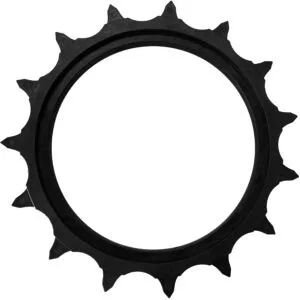
Planter press wheels help close the seed trench and press soil around the seed at the right level. In simple terms, they turn good planting into consistent emergence, and that is why they matter from the very first pass in the field.
What Are Planter Press Wheels and Why They Matter
Planter press wheels are parts that follow right after the seed is placed in the soil. Their role is to close the open trench and press soil gently over the seed. This step may seem small, but it decides how well the seed starts its life.
When soil sits loosely around the seed, air gaps form and block moisture flow. With proper pressure, the seed stays in place and gets steady contact with moisture. Because of this, farmers see more even sprouting across rows, which sets the tone for the rest of the season.
How Planter Press Wheels Improve Seed-to-Soil Contact
Planter press wheels work by firming the soil just enough to remove air pockets without packing it too tight. This balance is important because seeds need both moisture and space to grow. For example, when planting corn, even a small gap around the seed can delay sprouting. Press wheels solve this by sealing the trench evenly so each seed gets the same start. As a result, plants emerge at a similar time, which helps create a more uniform field.
Better Results Across Soil Types
Soil conditions change from one field to another, and even within the same field. Some areas may be soft, while others may be heavy or covered with residue. In these situations, planter press wheels help maintain consistent trench closure. They press soil back over the seed without disturbing its position. This is especially helpful in no-till conditions where surface residue can prevent proper closure. Because of this, farmers can rely on steady performance even when soil conditions vary.
Supporting Uniform Crop Growth
Uniform growth starts with uniform planting, and that depends on how well each seed is covered. When seeds sit at different depths or have uneven soil contact, plants grow at different rates. This leads to uneven crop height and reduced yield potential. Press wheels help avoid this by creating the same soil pressure across every row. For example, in soybean planting, consistent emergence helps plants compete evenly for sunlight and nutrients. Over time, this leads to a stronger and more balanced crop stand.
A Practical Upgrade for Modern Farming
Older closing systems may not perform well in all conditions, especially when soil is dry or heavy. Many farmers now look for tools that offer more control during planting. Press wheels made from durable materials can last longer and maintain steady performance through the season. This makes them a simple but effective upgrade for improving planting results without adding extra work.
Tips to Get the Best Performance
To get better results, it helps to check alignment and pressure before starting a full pass. Make sure the wheels follow the seed trench closely and apply even pressure. In fields with mixed soil conditions, a quick field check can confirm if the trench is closing properly. Small adjustments at the start can prevent uneven emergence later, which keeps the planting process smooth.
Conclusion
Good planting does not end with dropping the seed into the soil. It depends on how well that seed connects with its environment. Planter press wheels help create that connection by closing the trench, removing air gaps, and pressing soil evenly around the seed. This leads to better germination, more uniform growth, and stronger crop results across the field.