
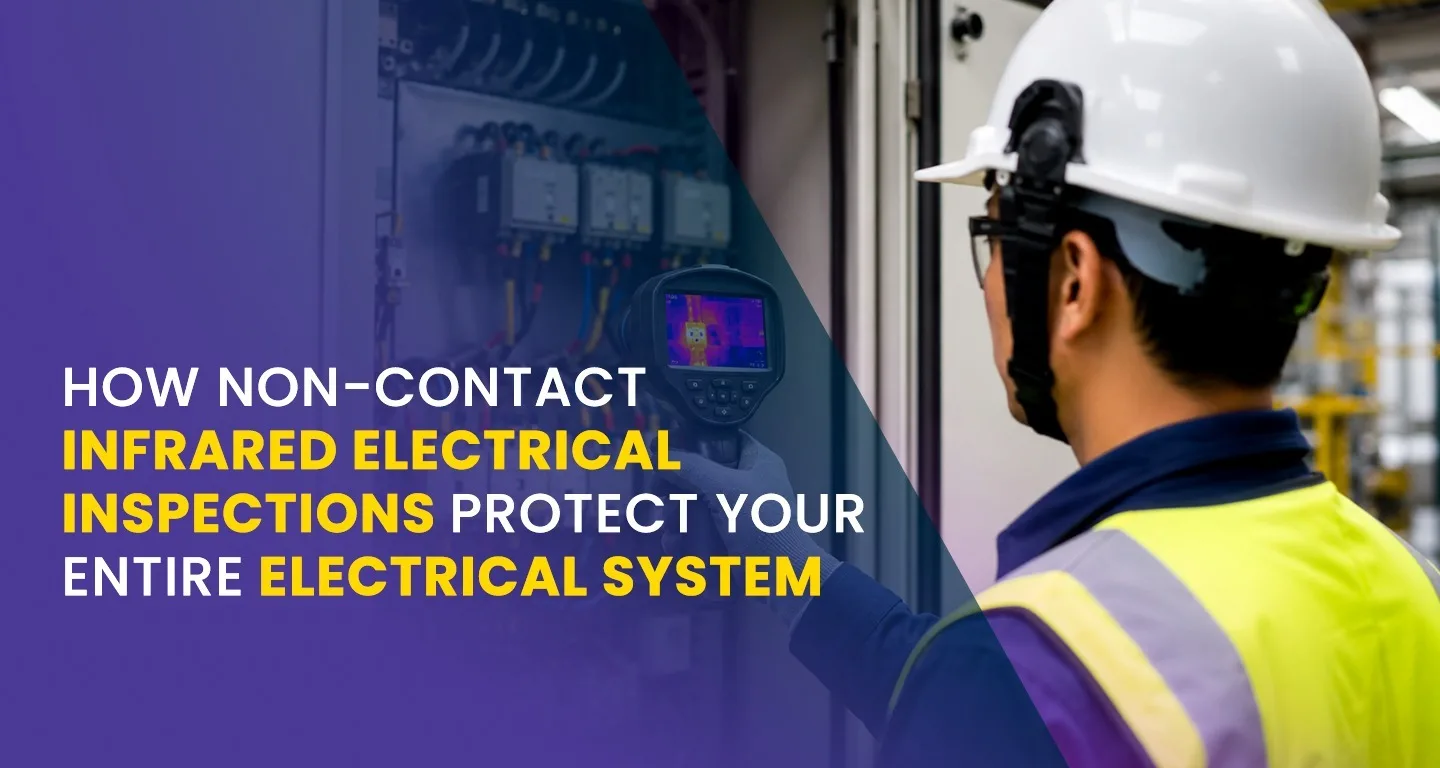
Electrical system failures happen rarely, but with no warning. Most of the time, those signs of warning stay indistinguishable, until equipment overheats, trips or something worse, shuts everything down.
Here, an infrared electrical inspection changes the scenario. In place of waiting for system failures or sparks, this non-contact technique allows you to see the heat patterns in the electrical systems. And most of the time, heat is the initial indicator that something is about to go off beam. Now, we learn how this technique works and what is the reason most of the industries are oriented on it to seriously protect the infrastructure.
How Traditional Electrical Inspections Miss Early Signs
In real, most of the electrical matter develops silently. Overloaded circuits, insulation failures or loose connections not visibly shows the damage. Manual inspections might help in obvious faults, but this not really help to detect thermal anomalies those are hidden in wiring or panels.
This is the reason why thermal imaging electrical faults detection practice becoming a standard exercise. With infrared thermography, professionals can examine live systems carefully and detect:
- Panel Hot spots
- Overheated tops
- Excessive loads
- Components Failure before breakdown
Why Infrared Thermography is So Effective?
Infrared thermography detects the differences of heat across surfaces. All electric component releases thermal energy and temperature alteration might be the reason if something isn’t working properly. With the use of advanced thermography techniques, professionals convert those heat differences into the visually presented images.
This permits inspectors to:
- Find early-stage failures
- Comparison between load performance
- Detect irregular heating patterns
- Tracking of decline over time
Establishments like infrared thermographyhave been involved in regulating these practices and help to support worldwide adoption.
Infrared Inspection’s Role in Predictive Maintenance
Responsive maintenance is usually exclusive. Emergency maintenances cost more, originates interruption and frequently lead to secondary damage. This is one the critical reason why predictive maintenance electrical systems methods are gaining power across businesses. Infrared inspections become really important and useful here.
As an alternative to fix failures after their occurrence, industries can:
- Plan repairing agenda before breakdown
- Decrease unexpected outages
- Equipment lifespan expansion
- Improve maintenance funds
This is not only about overlooking the issues, it’s about taking operationally smarter moves and decisions.
IR Professional Proficiency Matters More Than You Think
Not all thermal scans are identical. Understanding of thermal data needs practice, training and appropriate knowledge. Misinterpretation of a heat sign may lead to false panics or even worse, missed dangers. And, that’s the reason why working with trained infrared professionals is important. Establishments like infrared professionals highlight certification and standardized the training to guarantees consistent inspections.
A well-trained IR professional carries:
- Precise diagnostics
- Reports on Industry-compliance
- Legal insights on maintenance
- Diminishes liability risks
Important Infrared Inspection Techniques
Contemporary inspections integrate multiple infrared inspection techniques to improve precision:
- Reasonable examination (temperature differences in every phase)
- Baseline thermal reporting
- Scanning based on load
- Analysis of trend over repetitive inspections
When inspections done appropriately, these techniques offer a complete image, not just a small portion.
When Should You Plan an Infrared Electrical Inspection?
Timing plays an important role more than people think. You need to plan ahead, instead of waiting for failure.
Ideal situations consist of:
- Once a year preventive maintenance schedule
- After installation of new equipment
- During highest loading conditions
- Before compliance checks or insurance inspections
Constant monitoring makes infrared thermography really effective.
Concluding Thoughts
Electrical breakdowns are dangerous, costly and most importantly disruptive. The power of infrared inspection lies in its simple process; it helps to detect issues without even touching the components or system. Discover expert supervision or connect with us to start your journey with certified inspectors who understand the distinctions of infrared thermography.
If you are really concern about your system’s safety and reliability than adding infrared electrical inspection is essential to your maintenance strategy. Because the best approach to fix an electrical issue, is to find it before it even initiates.