Outdoor events require creative solutions that can capture attention across large spaces. From festivals and concerts to corporate celebrations, product launches, cultural programs, and public events, organizers are increasingly exploring immersive technologies to make their experiences more memorable. 3D Projection Mapping is one such technology that can transform buildings, stages, walls, monuments, and temporary structures into dynamic visual displays.
Unlike traditional screens, projection mapping allows digital content to interact with the shape and architecture of a physical surface. When properly planned and executed, it can turn an ordinary outdoor location into an engaging visual environment.
What Is 3D Projection Mapping?
3D Projection Mapping is a technique that uses specialized projectors to display customized digital content on physical surfaces. Designers create visuals according to the dimensions and shape of the target structure, allowing animations and graphics to align precisely with its features.
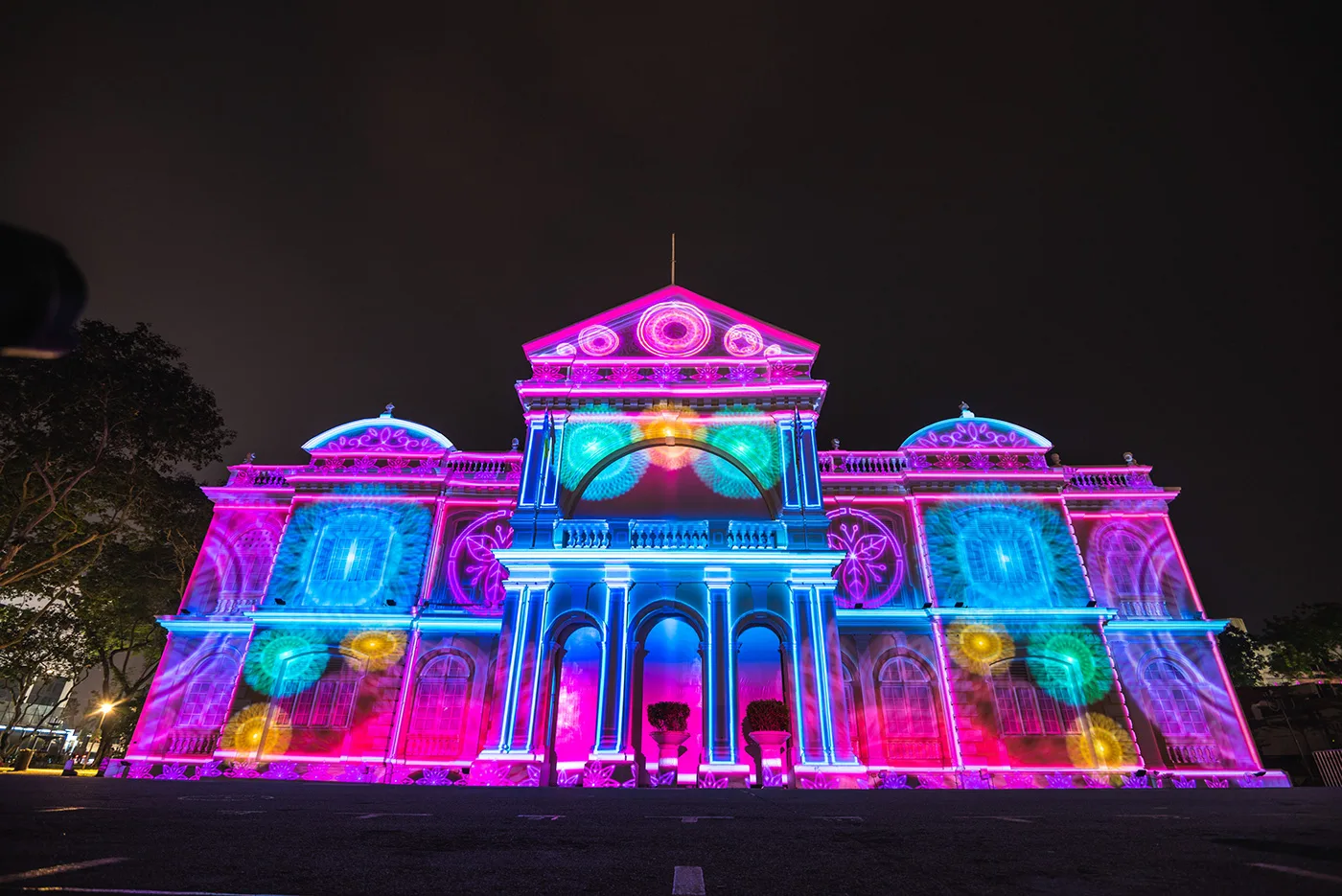
For outdoor events, this could mean projecting visuals onto a building facade, large stage, monument, or specially constructed installation. The projected content can include animations, videos, branding, graphics, and visual effects.
How Does Projection Mapping Work Outdoors?
The basic process involves several stages, beginning with an assessment of the outdoor venue. A professional team examines the projection surface, its dimensions, surrounding lighting, viewing angles, and available space for equipment.
Designers then create a digital model of the target surface and develop content specifically for it. Mapping software is used to align the visuals with the physical structure.
Finally, powerful projectors are positioned at suitable locations and calibrated to cover the intended surface. Technicians test the visuals after dark or under the expected event lighting conditions to ensure that the content remains visible and accurately aligned.
Choosing the Right Projection Surface
The surface plays an important role in outdoor projection mapping. Large, relatively light-colored surfaces generally provide better visibility than dark or highly reflective materials.
Buildings can be particularly effective because architectural features can become part of the animation. Windows, doors, columns, and decorative elements can be incorporated into the visual design.
A professional 3D Projection Mapping Company evaluates the surface before designing the final content to determine what visual effects are realistically achievable.
Managing Outdoor Lighting Conditions
One of the biggest challenges of outdoor projection mapping is ambient light. Street lighting, nearby buildings, advertisements, and other sources can reduce the visibility of projected images.
For this reason, projection mapping is often scheduled after sunset or during periods with lower ambient light. Projector brightness and positioning must also be selected according to the venue's conditions.
A professional production team can assess the location and recommend suitable equipment for the expected environment.
Using Multiple Projectors
Large outdoor structures may require multiple projectors to cover the entire surface. Each projector covers a specific area, while the visuals are carefully blended and synchronized.
The more projectors involved, the more important accurate alignment becomes. Technicians need to ensure that there are no visible gaps, unwanted overlaps, or differences in brightness between projection areas.
Creating Customized Visual Content
The visual content is what brings an outdoor projection mapping project to life. Designers can develop animations that tell a story, showcase a brand, celebrate a festival, or support a live performance.
For corporate events, content might include company branding, product presentations, business milestones, and promotional messages. Cultural events can use historical imagery, artistic animations, and themed visuals.
Because the content is digitally produced, it can be customized to suit the event's objectives.
Synchronizing Projection With Sound
Outdoor projection mapping becomes even more engaging when visuals are synchronized with music, narration, or sound effects.
At a concert, projected animations can change with the rhythm of the music. During a product launch, visuals can build anticipation before a dramatic reveal. At a cultural event, narration and animation can work together to tell a story.
This combination of sound and visuals can create a more immersive experience for the audience.
Weather and Environmental Considerations
Outdoor events require additional planning because weather conditions can affect technical equipment and event operations. Wind, rain, dust, and humidity should be considered during the planning process.
Projectors, computers, cables, and other equipment may need suitable protection depending on the location and expected conditions. The production team should also have contingency plans for unexpected weather.
A Projection Mapping Company in Pakistan can assess local event conditions and develop an appropriate technical setup based on the venue and event requirements.
Outdoor Projection Mapping for Different Events
There are many applications for 3D Projection Mapping at outdoor events. These include:
- Music concerts and live performances
- Corporate events and celebrations
- Product launches
- Cultural festivals
- Public celebrations
- Tourism promotions
- Brand activations
- Architectural shows
- Government and community events
- Large-scale exhibitions
Each application can use customized visuals designed around the event's audience and purpose.
Benefits of Outdoor 3D Projection Mapping
One major benefit is the ability to use existing architecture as part of the event design. Instead of constructing an enormous physical backdrop, organizers can transform an existing structure with digital content.
Projection mapping can also provide variety throughout an event. Different animations can be displayed at different times, allowing the same physical location to take on multiple appearances.
For brands, the technology can provide an innovative platform for storytelling and audience engagement.
Why Professional Expertise Is Important
Outdoor projection mapping requires careful coordination between creative designers, projection technicians, event organizers, and venue teams. Incorrect projector placement, poor content alignment, insufficient brightness, or inadequate testing can negatively affect the final experience.
An experienced 3D Projection Mapping Company can manage the technical process from venue assessment and content development to projector installation, mapping, calibration, and live event support.
Finding a Projection Mapping Company in Pakistan
When planning an outdoor immersive event, organizations should choose a provider with experience in large-scale projection installations. A reliable Projection Mapping Company in Pakistan should understand outdoor lighting conditions, projection distances, surface characteristics, equipment requirements, and event production.
Before hiring a provider, organizers should review previous work, discuss the venue in detail, establish the creative objectives, and confirm the technical services included in the project.
Conclusion
3D Projection Mapping can transform outdoor events by turning buildings, stages, and other structures into dynamic visual environments. Successful outdoor projection requires careful venue planning, suitable equipment, customized content, accurate mapping, proper calibration, and consideration of environmental conditions.
For businesses, brands, and event organizers, partnering with an experienced 3D Projection Mapping Company or Projection Mapping Company in Pakistan can help turn an outdoor venue into a memorable and visually engaging experience.